
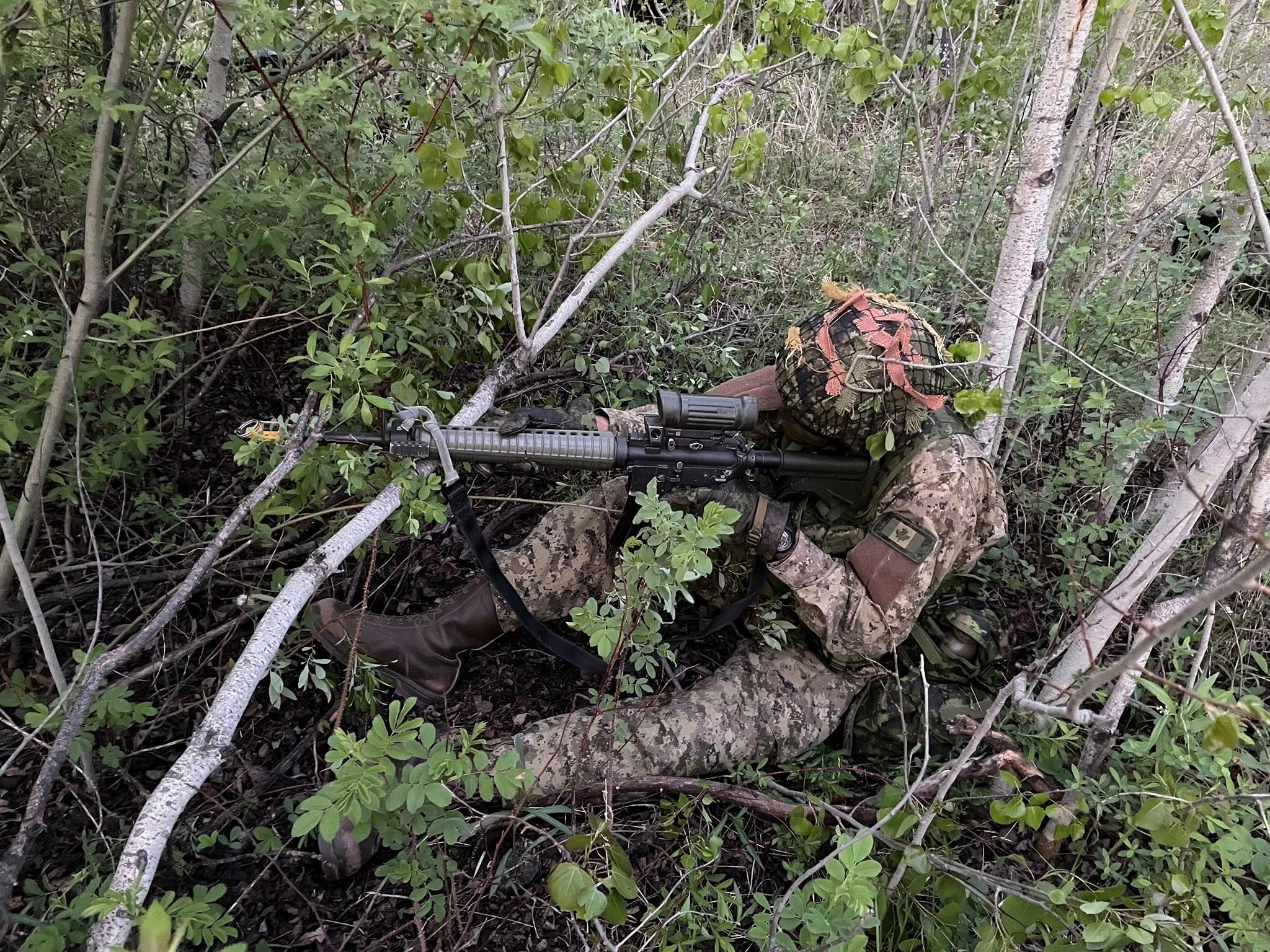
A noticeable shift in public opinion is emerging across Canada, as a growing number of citizens express willingness to serve in the military in the event of a major conflict. A recent poll conducted by Nanos Research for The Globe and Mail highlights a sharp rise in both full-time and part-time service interest over the past six months.
According to the survey, 24 percent of Canadians said they would be prepared to serve full time in the Canadian Armed Forces (CAF) as of early March double the 12 percent recorded in November last year. Similarly, those willing to serve part time increased significantly, climbing from 19 percent to 32 percent within the same period.
The polling period followed heightened geopolitical tensions, including military actions involving Israel and the United States against Iran in late February, which may have influenced public perception and awareness around national defense.
Public opinion of the CAF itself also appears largely positive. A majority of respondents 56.4 percent of men and 59.7 percent of women rated their impression of the military between 7 and 10 on a 10-point scale, indicating strong approval. In contrast, only a small segment expressed negative views, with 13.1 percent of men and 6.6 percent of women giving ratings between 0 and 3.
Regional differences were evident, with the Atlantic provinces showing the strongest support for the military, while Quebec recorded comparatively lower favorability ratings.
Support for military service extends beyond personal willingness. The poll found that 73 percent of Canadians would view a friend or family member’s decision to join the CAF positively, marking an increase from 68 percent reported in 2025.
The survey, conducted between March 1 and March 8 among 1,058 adults, carries a margin of error of plus or minus 3 percentage points.
This rise in positive sentiment comes at a time when the Canadian government is ramping up defense investments. Ottawa has committed to increasing military spending to 2 percent of the country’s GDP. The funding package includes $2 billion aimed at improving compensation and benefits for service members, alongside plans to construct 7,500 housing units across 25 locations and strengthen training and operational readiness.
Despite growing public support, recruitment challenges persist. Between April 2022 and March 2025, the CAF received approximately 192,000 applications but successfully enlisted only 15,000 candidates falling short of its target by 4,700 recruits. An earlier audit pointed to systemic issues such as bureaucratic delays and training bottlenecks as key obstacles.
Looking ahead, the Department of National Defence has outlined a planned expenditure of $5.38 billion for the 2026–27 fiscal year, focusing on improving recruitment, retention, and overall workforce conditions. The department aims to reach a personnel strength of 22,704 members.
In a parallel move, Immigration, Refugees and Citizenship Canada has announced plans to introduce new immigration pathways targeting highly skilled foreign military professionals. The initiative is expected to attract specialists such as doctors, nurses, and pilots to fill critical roles within the armed forces.
As Canada navigates evolving global uncertainties, the combination of increased public support and strategic policy changes suggests a renewed focus on strengthening national defense capabilities though bridging the gap between interest and actual enlistment remains a key challenge.

