
In a significant policy shift, the government of British Columbia has announced plans to reduce its ambitious zero-emission vehicle (ZEV) sales mandate for 2035 from 100 percent to 75 percent. The province will also scrap its earlier decision to ban the sale of new internal-combustion-engine (ICE) vehicles by that year, signaling a move toward greater flexibility in its clean transportation strategy.
The changes, outlined in an April 1 statement by the Ministry of Energy and Climate Solutions, are intended to better align provincial policies with revised federal goals under Mark Carney’s government.
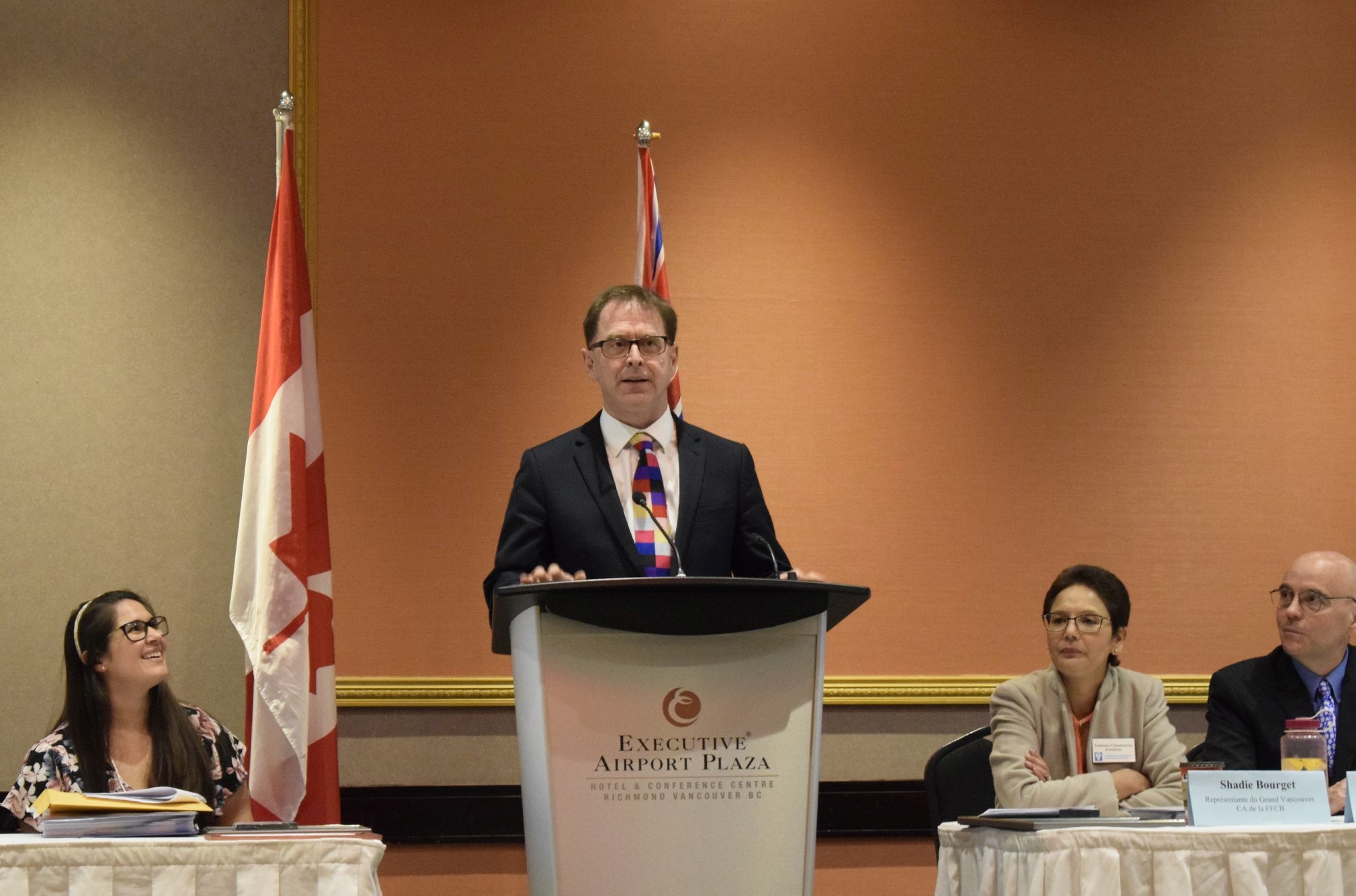
Energy Minister Adrian Dix said the updated approach balances environmental priorities with consumer choice and market realities. “We are giving people greater choice while reducing air pollution and emissions in our communities,” Dix stated. “This recalibration ensures our targets are consistent with federal direction while offering flexibility to both industry and consumers.”
ZEVs include battery-electric, plug-in hybrid, and hydrogen fuel cell vehicles. While the long-term target has been reduced, the province will maintain its near-term requirements, including a 26 percent ZEV sales mandate for 2026 and 2027. Targets for 2028 through 2030 will be determined after the federal government releases updated guidelines later this year.
Industry groups have welcomed the move. The New Car Dealers Association of BC described the decision as a practical adjustment. Association president Blair Qualey said dealers have long expressed concerns about the gap between policy goals and actual market readiness.
“These changes reflect an understanding that policy must evolve alongside consumer demand, not ahead of it,” Qualey noted.
Environmental advocates have also reacted positively, though for different reasons. The Pembina Institute praised the province for maintaining a strong 75 percent target. Growth director Adam Thorn emphasized that clear sales requirements remain essential for ensuring investment in charging infrastructure and vehicle supply chains.
“Near-term milestones are critical for giving industry and investors the confidence to continue building out the EV ecosystem,” Thorn said.
As part of its broader EV strategy, the province is investing $19.1 million through its CleanBC Go Electric program to support 75 new public charging projects. These installations will include 277 fast-charging ports and 51 Level 2 chargers, aimed at expanding access across the province.
British Columbia was a global pioneer in EV policy, becoming the first jurisdiction to legislate a 100 percent ZEV sales target in 2019. The federal government later followed under former Prime Minister Justin Trudeau, introducing a national mandate in 2022.
However, the federal approach has since shifted. The Carney administration has scrapped the strict 2035 EV-only sales requirement in favor of tougher greenhouse gas emissions standards for vehicles between 2027 and 2032. The revised national goal now aims for 75 percent EV adoption by 2035 and 90 percent by 2040.
The rollback of strict mandates comes amid mounting pressure from automakers and several provinces, which argued that the original targets were difficult to achieve due to high costs, supply chain constraints, and slower-than-expected consumer adoption.
With these changes, British Columbia appears to be recalibrating its climate ambitions to better match economic and market conditions while still keeping a strong push toward electrification in the years ahead.

