
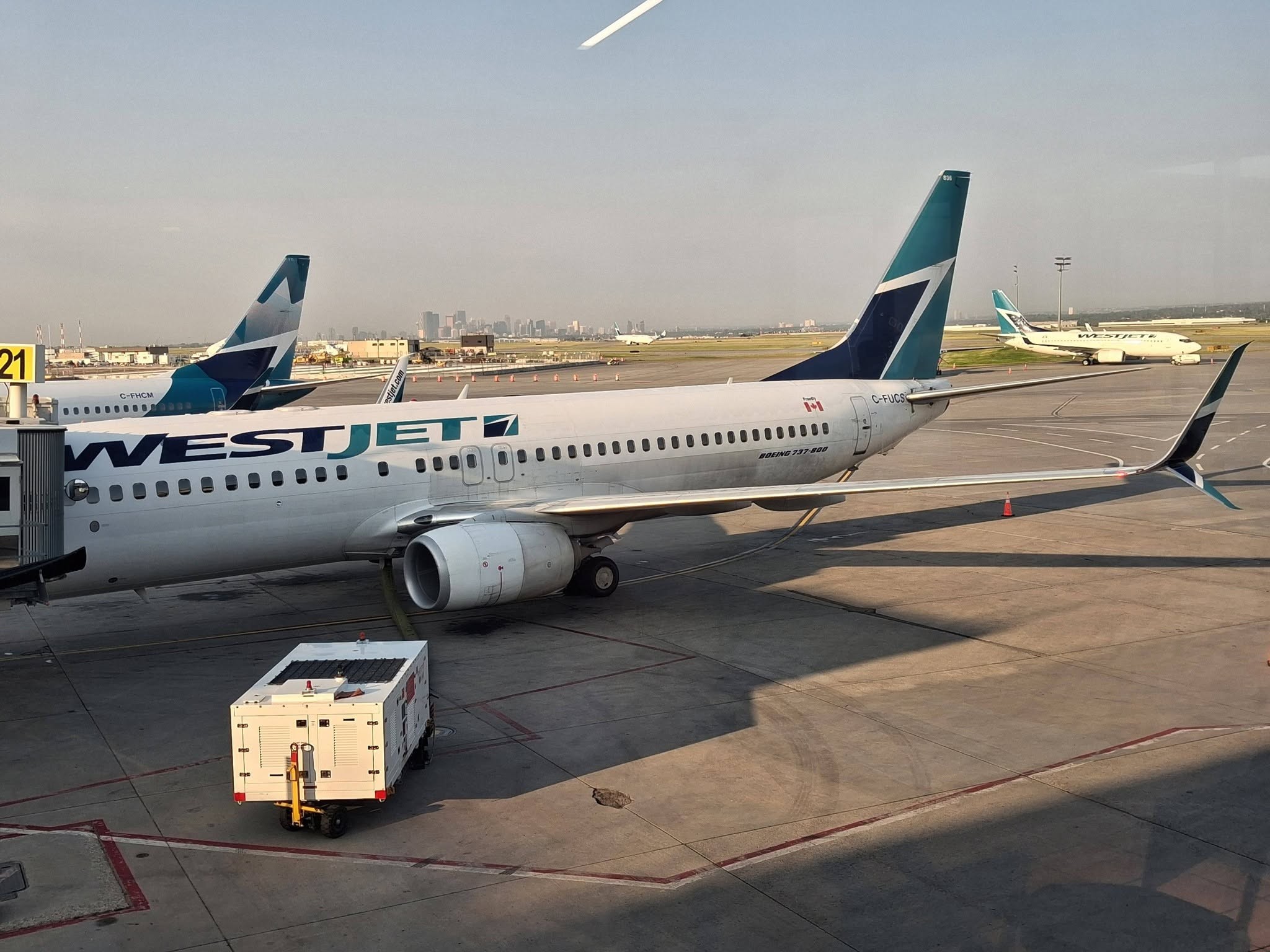
WestJet is giving passengers on flights over the coming days a rare no-cost opportunity to change or cancel their bookings, as the airline braces for the possibility that its cabin crew could walk off the job during one of the busiest travel weeks of the summer.
In a news release issued July 23, the airline said travellers on WestJet flights scheduled between July 30 and August 4 will be permitted one free change or cancellation. The waiver does not extend to Q400 turboprop flights or codeshare flights operated in partnership with other carriers, which WestJet says will not be affected even if a labour disruption occurs.
Alongside the rebooking offer, WestJet issued a broader travel advisory covering flights out of every airport it serves. Customers who booked vacation packages through WestJet Vacations, Sunwing Vacations, or Vacances WestJet Québec were told they’d hear directly from the company about flexible rebooking options rather than needing to seek them out.
The precautions come after flight attendants delivered an emphatic signal to management at the bargaining table. Members of Canadian Union of Public Employees (CUPE) Local 8125, who represent roughly 4,400 WestJet mainline cabin crew, cast ballots between July 9 and July 15 on whether to authorize a strike. When the results came in, 99.4 percent had voted yes, with participation topping 97 percent of the union’s membership.
Crew members have pointed to three recurring frustrations driving the vote: hours of work that go uncompensated, wages that haven’t kept pace with the cost of living, and scheduling practices they say need an overhaul.
Because a 21-day cooling-off period follows any strike authorization, the earliest legal walkout date is August 2 the Saturday of the long weekend in much of the country. WestJet, for its part, retains the option of locking crew out on the same date if it chooses. Either side must give 72 hours’ formal notice before taking that step, meaning the fate of long-weekend travel plans may not be clear until the final days of July.
WestJet Group CEO Alexis von Hoensbroech has been careful to frame the vote as a procedural milestone rather than a foregone conclusion. “A strike authorization vote is a common step by unions in context of the overall labour negotiation process and does not mean a strike will occur,” he said after the results were announced on July 15.
He added that the company remains “steadfast” in its effort to land on an agreement that both respects cabin crew and keeps the airline financially sound going forward, and has since said WestJet is fully prepared to make what he calls meaningful improvements for crew while protecting the carrier’s long-term sustainability.
CUPE 8125 has struck a similar tone publicly, insisting it wants a deal, not a shutdown. “Due to stalled negotiations with WestJet, this strike vote became necessary to move the process forward at the bargaining table,” the union said in its own July 15 statement. Union president Alia Hussain went further, framing the vote as a show of resolve rather than an announcement of intent to strike outright. “The members of CUPE 8125 are united and determined,” she said. “They voted to strike because they stand behind the bargaining priorities that they have identified, especially pay for all hours of work performed. WestJet should do the right thing and prevent travel disruptions for their passengers.”
The two sides returned to the bargaining table on July 20 and, according to updates published by the union, have been negotiating daily since. As of July 23, they had reached agreement in principle on 38 contract articles, with 29 still unresolved. As of July 25, no formal 72-hour strike notice had been filed by either party, leaving the question of whether flights will actually be grounded still open.
Much of the disagreement traces back to how flight attendants are compensated. WestJet pays its cabin crew under what’s known as a credit-hour system the model used industry-wide across North America, in which one credit hour is meant to reflect not just time spent airborne but the full scope of a flight attendant’s duties: pre-flight prep, ground-side tasks, post-flight wrap-up, and delays. The airline maintains that its higher credit-hour rate, paired with minimum monthly pay guarantees and other protections written into the collective agreement, adequately compensates crew for that work.
The union sees it differently. CUPE has argued that large stretches of what attendants actually do boarding passengers, running safety checks, waiting out delays, managing overnight layovers fall under “ground time” that isn’t captured by block-hour pay at all, leaving members effectively working significant unpaid hours each month.
It’s a dispute with a familiar shape: WestJet’s cabin crew negotiations echo the standoff between Air Canada and its own flight attendants last summer, which similarly centred on unpaid ground duties and ultimately led to a shutdown of that airline’s operations for several days.
WestJet is directing customers to a dedicated negotiations-tracking website for the latest updates as talks continue. With the situation still fluid, passengers flying in the window potentially affected particularly anyone booked over the August long weekend are being encouraged to keep an eye on their booking status and take advantage of the free-change window while it’s available.

