
When Ontario introduced its bold new ticket resale law earlier this year, it carried the unmistakable energy of a government ready to fight for the everyday fan. Face-value caps. Steep fines. A public consumer watchlist. On paper, it looked like a serious crackdown on the scalping industry that has long priced ordinary people out of major events.
Then the World Cup came to Toronto and the law quietly fell apart.
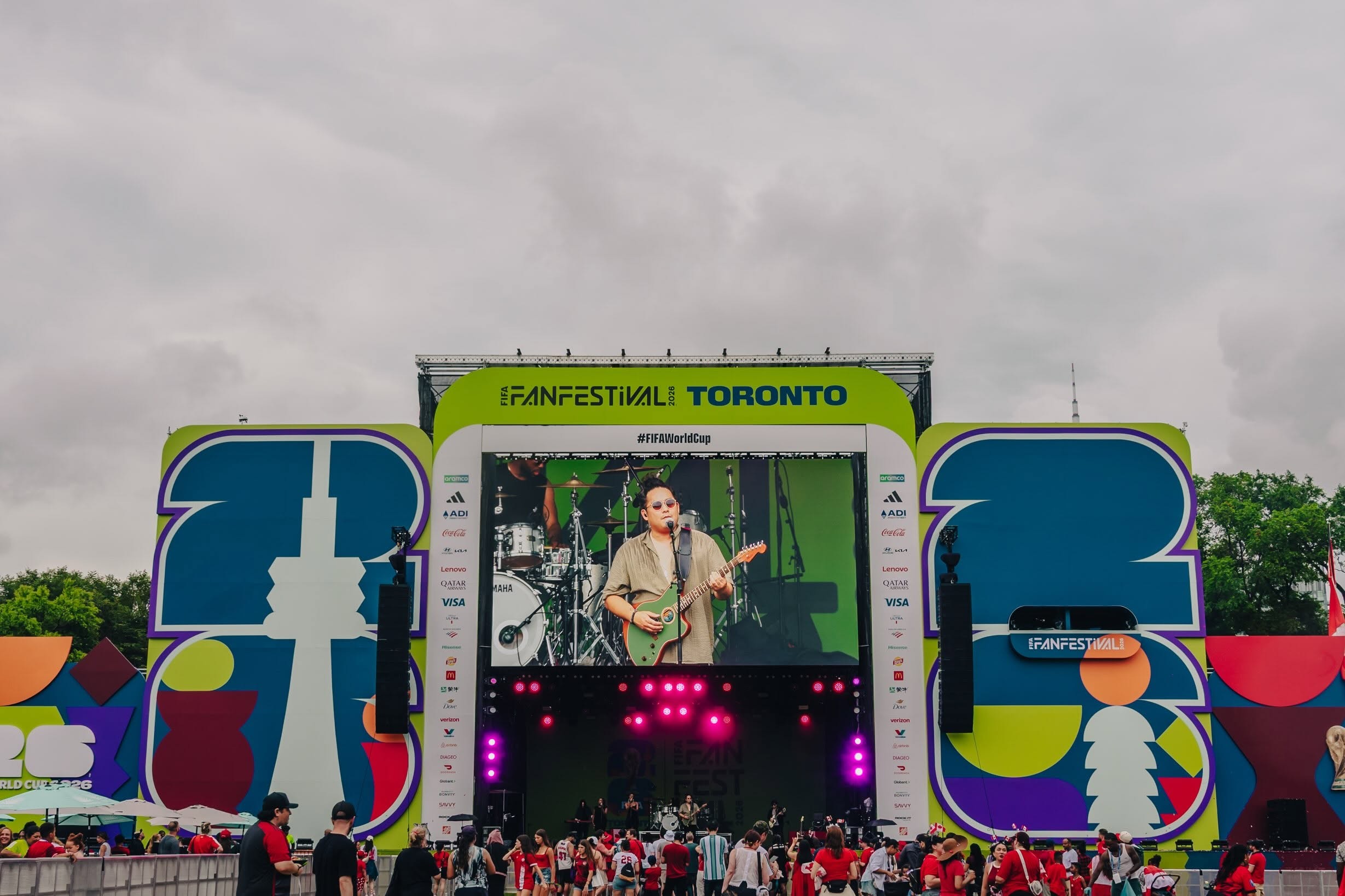
Six matches were hosted in the city. Thousands of tickets changed hands on resale platforms at prices well above what fans originally paid for them. And as the final whistle blew on Toronto’s last game Thursday, it became clear that the province’s landmark legislation had done almost nothing to stop it.
StubHub, SeatGeek, and Vivid Seats three of the biggest names in ticket resale each acknowledged they were not operating in compliance with Ontario’s law. Their explanations ranged from ongoing confusion about what exactly compliance requires to unresolved questions about how sellers are supposed to verify a ticket’s original purchase price. The law, they suggested, is harder to follow in practice than it looked on a legislative summary.
What’s harder to explain is why none of them appear to have been penalized for it.
As of Friday, the province’s own consumer beware website a public-facing tool designed to name and shame rule-breakers listed no fines against StubHub or SeatGeek, despite both companies appearing on the watchlist for non-compliance. The province did not immediately confirm whether any fines had been issued at all.
Government spokespersons offered firm-sounding language when pressed. Premier Doug Ford’s office said the message was simple: “No compliance = a fine.” A spokesperson for the minister of public and business service delivery called out “bad actors” and promised accountability. But no timeline was given, and no penalties have materialized publicly.
The fines the province promised were not insignificant. When the law launched in the spring, repeat offenders faced penalties of up to $10,000. As the World Cup drew closer, that number jumped to $25,000. Courts could also order fines of $50,000 for individuals and $250,000 for corporations. It was the kind of number that was supposed to make a resale platform think twice.
Instead, platforms kept selling above face value, pointed to interpretive ambiguity, and waited.
David Clement, policy director at the Consumer Choice Centre, wasn’t surprised. He argued the structural problem with the law is that resale platforms genuinely cannot easily determine what a ticket originally cost, because most tickets on their platforms weren’t sold through them in the first place. And while Ticketmaster maintains that every buyer receives a receipt showing the original price, Clement pointed out that documentation can be altered creating an enforcement nightmare that no fine schedule can easily solve.
“What we’re seeing with the World Cup is that this is mostly just a symbolic piece of legislation,” he said. “It’s unmanageable, it’s unenforceable.”
Vivid Seats offered the most optimistic update among the three platforms, with a spokesperson saying the company had resolved nearly all identified areas of non-compliance and expected to be fully compliant this month. SeatGeek said it was still working through its obligations. StubHub flagged unresolved questions around seller verification as a sticking point.
The province had sent letters to 27 resale websites back in late April and early May, signaling formal inspections and warning that non-cooperation could trigger enforcement action. SeatGeek and StubHub were later added to the consumer beware list. Neither listing has been updated with a fine.
For Clement, the episode reveals something predictable and frustrating: that legislation designed to generate headlines before a marquee event has no real staying power when the hard work of enforcement begins.
He warned the same pattern will resurface whenever Toronto’s sports teams find postseason success whether it’s the Maple Leafs making a deep playoff run, the Blue Jays contending for a World Series, or the Raptors returning to relevance.
“We will continuously see on repeat,” he said, “the unenforceability of this legislation.”
For now, the scoreboard reads: resellers 1, Ontario 0.

