
A pair of powerful earthquakes struck Venezuela’s northern coastline within seconds of each other earlier this week, leaving a trail of death and destruction that has prompted Canada to issue its strongest travel warning yet for the already-troubled South American nation.
The two quakes, measuring magnitude 7.2 and 7.5, tore through the capital Caracas and the coastal state of La Guaira on June 24, toppling buildings, uprooting thousands of families, and overwhelming emergency responders still scrambling to assess the full scale of the disaster.
Venezuelan authorities have confirmed at least 920 deaths and more than 3,360 injuries, though those numbers are expected to climb as rescue teams continue to comb through rubble in search of survivors. Thousands of people remain unaccounted for.
“This is the deadliest seismic event to hit Venezuela in over a century,” officials noted, underscoring the sheer magnitude of the catastrophe now gripping the country.
Venezuela was already facing deep structural and political instability long before the ground shook. Canada had maintained a standing travel advisory for the country since February 2019, when it shuttered its embassy in Caracas amid escalating civil unrest, violent crime, and chronic shortages of food, medicine, and basic necessities.
The earthquakes have only compounded an already dire situation. A state of emergency is now in force across the affected regions, with authorities warning that aftershocks remain a real and present danger. Critical infrastructure has buckled under the strain the Simón Bolívar International Airport in Caracas is closed, train services have been suspended, and telecommunications networks have been disrupted across wide areas. Hospitals and emergency services are stretched to their limits, while residents in the hardest-hit areas face acute shortages of power, clean water, and food.
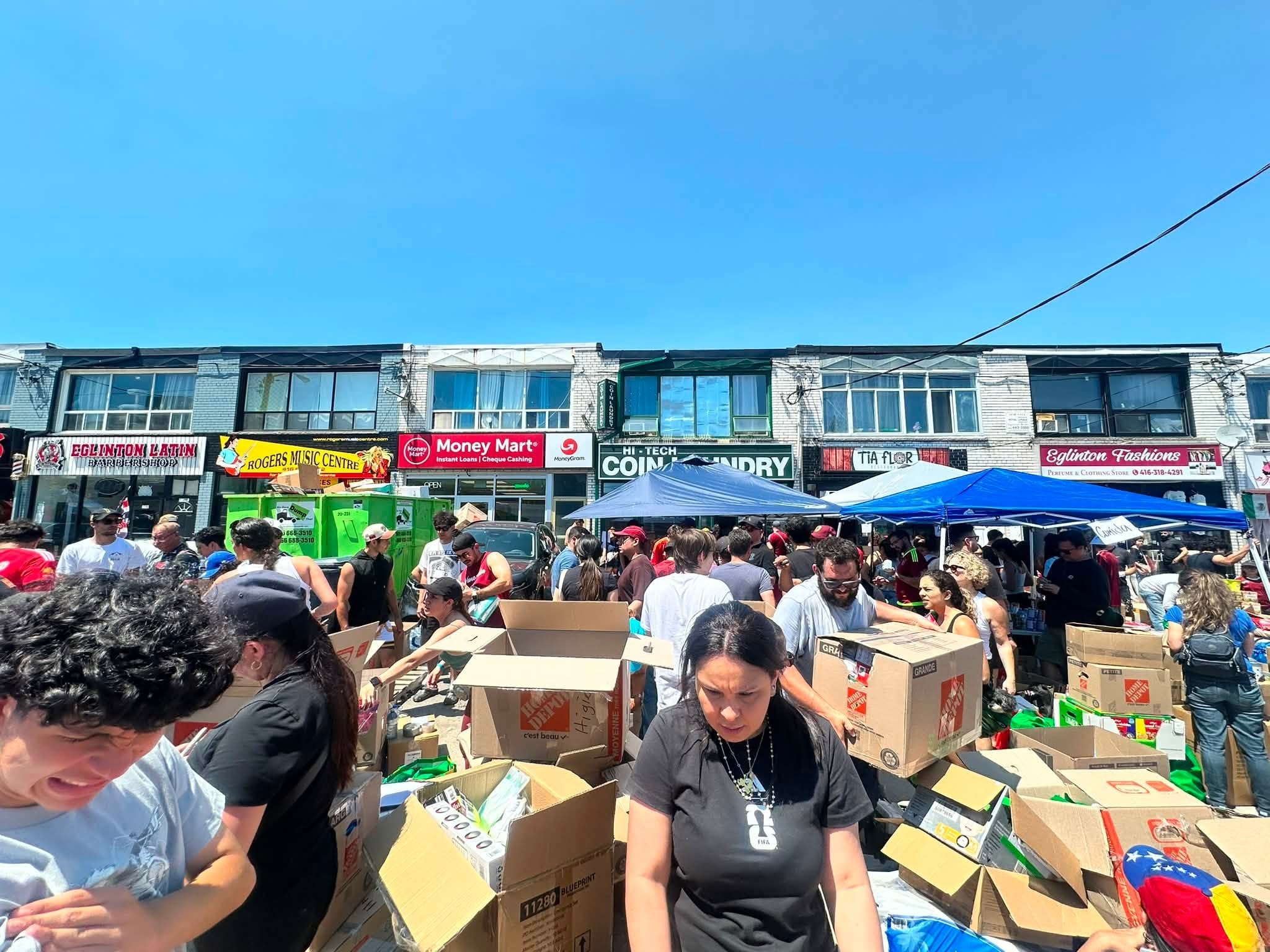
Ottawa has wasted little time in responding to the crisis. Prime Minister Mark Carney announced that Canada is preparing to deliver humanitarian aid to Venezuela in the coming days and weeks, describing the effort as a matter of urgency given the scale of human suffering on the ground.
At the same time, Global Affairs Canada has elevated its travel advisory to urge all Canadians to avoid non-essential and now, essentially all travel to Venezuela. For those already in the country, the message is clear: exercise extreme caution, follow the directions of local authorities, and keep a close eye on local media for developments.
Canadians are being specifically warned not to enter any structure that has sustained visible damage until it has been formally cleared as safe by local officials. For those unable or unwilling to leave, the government is advising people to shelter in place with adequate reserves of food, water, cash, and any required medications.
One of the more sobering aspects of Canada’s advisory is the frank acknowledgment that its hands are largely tied when it comes to offering direct assistance to citizens on the ground.
“Our ability to provide consular assistance to Canadians in Venezuela is severely limited and done remotely,” the advisory states a consequence of the embassy’s closure seven years ago.
Given that constraint, Canadians in Venezuela are being urged to register or update their information with the Registration of Canadians Abroad service, a free government tool that allows Ottawa to locate and communicate with citizens during emergencies ranging from natural disasters to political upheaval.
The advisory had previously been updated in January following U.S. military strikes on Venezuelan soil, targeting facilities in Caracas and several surrounding states. That backdrop, combined with this week’s earthquakes, paints a stark picture of a nation grappling with simultaneous crises on multiple fronts.
For now, Venezuela faces a long and uncertain road to recovery and Canada is watching closely, aid packages in hand, from a considerable distance.

