
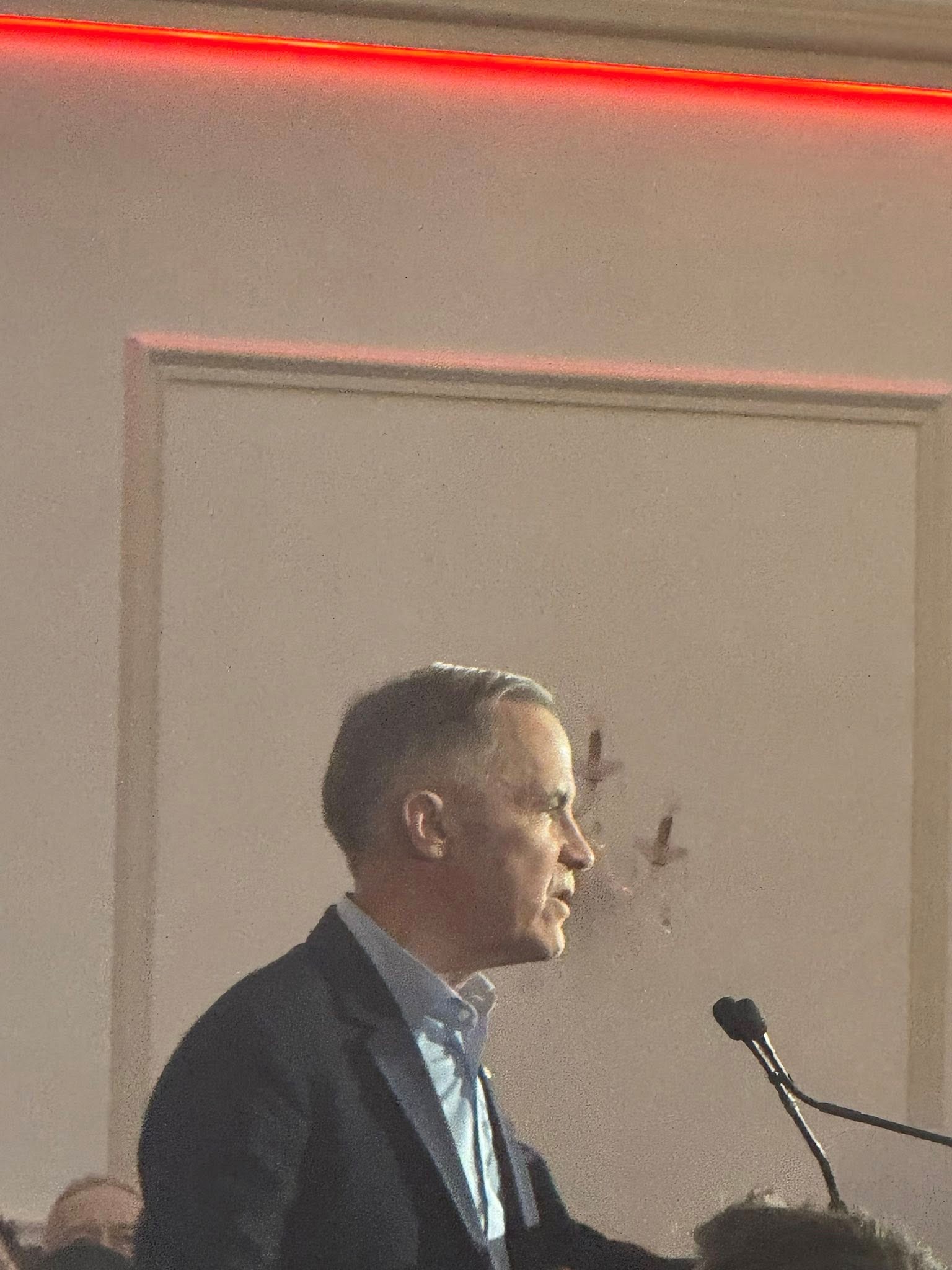
Prime Minister Mark Carney’s announcement that the Liberal government will table a budget this fall—after his finance minister said just days earlier that there wouldn’t be one this year—is more than just a scheduling shift. It’s a political recalibration, and one that reveals as much about the government’s priorities as it does about its strategy.
On May 14, Finance Minister François-Philippe Champagne told reporters that Canadians shouldn’t expect a budget this year. Instead, the government’s direction would be communicated through the throne speech and the fall economic statement. That statement triggered fierce backlash, especially from Conservative Leader Pierre Poilievre, who slammed the Liberals for failing to present a coherent plan at a time of economic turbulence. Four days later, Carney reversed course and announced a budget would come—just not until the fall.
So what changed? Likely nothing, except public perception.
Carney’s explanation for the delay is reasonable. He points to several factors: a narrow three-week legislative window before Parliament rises for the summer; the need to conduct serious discussions with the United States about economic cooperation; and looming international pressures, like the NATO summit and its potential to reshape Canada’s defense spending commitments. These are legitimate considerations—especially for a freshly reshuffled cabinet still finding its footing.
Yet the optics are hard to ignore. The Liberals are already facing mounting criticism for promising big spending—$129 billion over four years, to be exact—while Canada’s credit rating agencies are sounding alarms. Fitch Ratings, for one, warned that the Liberals’ campaign pledges would further inflate deficits and strain the country’s credit profile. And now, Canadians are being told they must wait until fall for a full financial plan, long after the fiscal year is already well underway.
Carney, a former central banker with global credentials, insists this delay is about doing things right rather than fast. “You do these things right,” he said. “And that’s what we’re going to do.” That’s a sentiment that might resonate with Bay Street economists, but for ordinary Canadians watching grocery bills soar and mortgage renewals spike, “doing things right” sounds suspiciously like “not doing anything at all.”
There’s also a clear tension here between political messaging and governance. During the election, Carney leaned heavily on the slogan “a plan beats no plan.” Now, as Poilievre cheekily noted, the Liberals seem to be governing without one—at least not one they’re willing to share just yet.
Still, there is some merit in Carney’s argument that a rushed budget in a chaotic window serves no one. It’s also true that a proper federal budget, especially one loaded with nation-building infrastructure goals and interprovincial trade reform, deserves the time and care required to get it right.
But none of that changes the fact that the Liberal government sent mixed signals at a sensitive time. Saying one thing on Tuesday and another on Saturday undermines credibility. Worse, it adds to the growing sense that this government is winging it—lurching from one political calculation to the next, instead of sticking to a clear, principled roadmap.
In the end, Carney’s promise of a “comprehensive, effective, ambitious, prudent budget” may well materialize. But Canadians are right to ask: why weren’t we told this from the start? And what’s been guiding this government in the meantime?
Because whether it’s spring or fall, fiscal leadership demands clarity—not just caution.

