
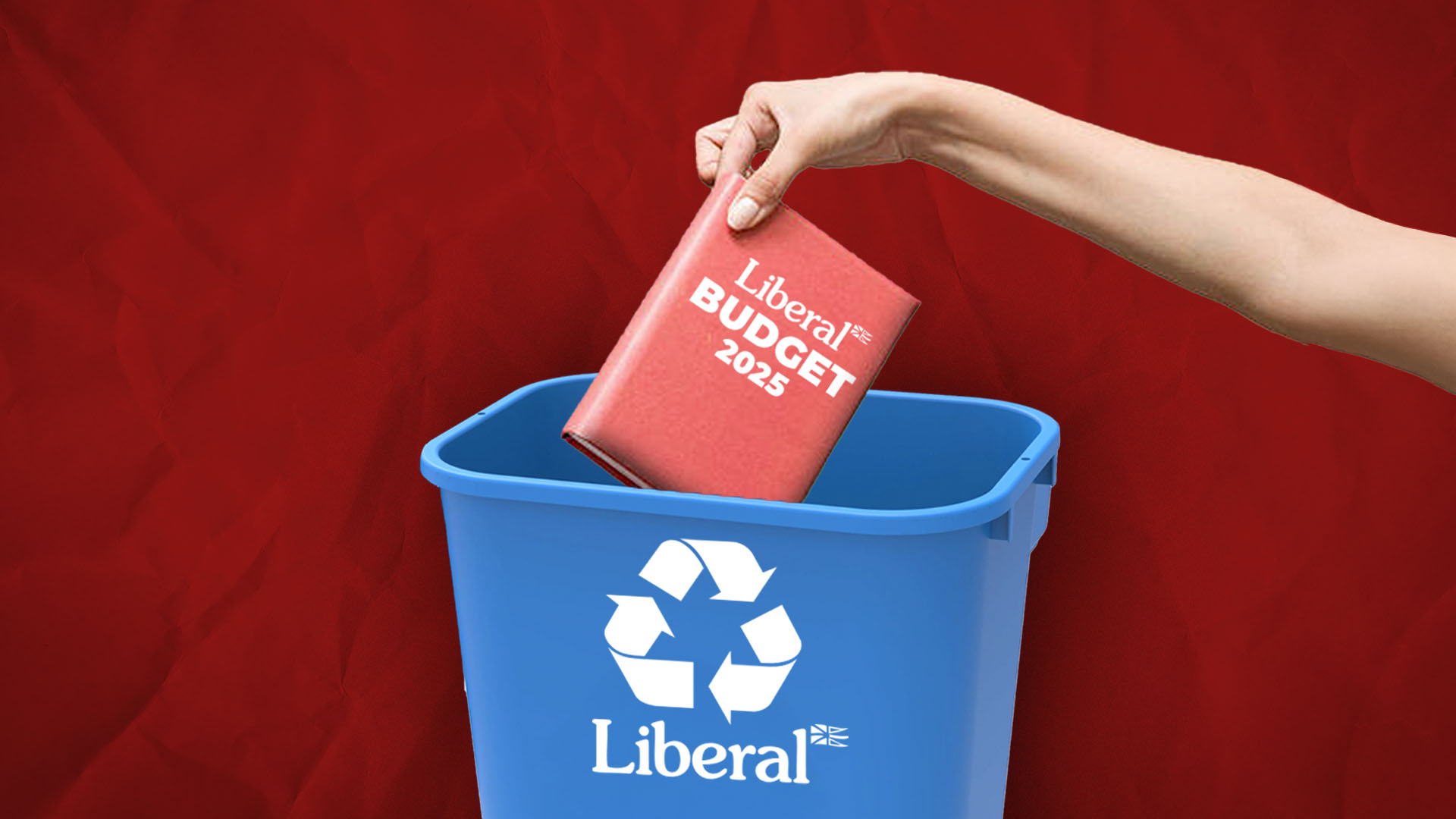
As Canadians prepare for the return of Parliament, one thing has become abundantly clear: the Liberal government, led by Finance Minister François-Philippe Champagne and Prime Minister Mark Carney, will not be tabling a traditional federal budget. Instead, they are opting for a Fall Economic Statement. On the surface, this may seem like a minor procedural shift, but in reality, it signals a troubling lack of political will at a critical economic juncture.
Let’s be honest: after months of anticipation, the government’s reluctance to present a full budget feels like a dodge, an evasion of accountability. Finance Minister Champagne has announced a one-percent cut to the bottom income tax bracket as the “first measure” to ease affordability pressures. It’s a modest start — but hardly the comprehensive economic roadmap Canadians desperately need right now. Prime Minister Carney’s signing of the directive to deliver this tax cut was theatrical, but it doesn’t erase the fact that actual legislation must still pass through Parliament. And for all the theatrics, Conservatives like Pierre Poilievre are right to call this move “unacceptable.” Canadians deserve more than piecemeal gestures when facing serious economic threats.
The context matters. The Liberal platform pledges $129 billion in new spending over four years, including major investments in defence and housing, while simultaneously cutting revenues through tax reductions. It’s a bold fiscal vision — but without a clear plan for balance or managing deficits, it risks undermining confidence. Carney’s statement about taking a “fundamentally different approach” to counteract the fallout from U.S. tariffs may be true in theory, but it lacks the detail and transparency Canadians expect from their government.
Housing, often touted as a crisis, is being addressed with grand ambitions to double supply via Canadian technology and off-site manufacturing. That’s a commendable long-term goal, but the government’s insistence that prices don’t need to come down feels out of touch with many Canadians who are struggling to enter the market. Affordable housing isn’t just about supply—it’s about accessibility and realistic prices.
Meanwhile, key economic signals flash warning signs. Honda’s decision to delay a $15 billion electric vehicle investment due to U.S. tariffs and market uncertainty highlights the precariousness of Canada’s economic environment. The government’s pledge to create “economic certainty” rings hollow when external trade barriers and political unpredictability dominate headlines.
Internal trade barriers remain an obvious, yet persistently neglected, lever for economic growth. Minister Chrystia Freeland’s commitment to lowering these barriers is encouraging, but past governments have talked this talk without much walk. Canadians deserve follow-through.
In short, this government’s approach feels reactive rather than proactive, symbolic rather than substantive. Canada faces real economic challenges—trade tensions, housing affordability, investment uncertainty—and instead of confronting them head-on with a detailed budget and clear vision, the Liberals are delaying real accountability. A Fall Economic Statement might fill some pages, but it cannot replace the confidence and clarity a full, responsible budget would offer.
For Canadians, it’s not just about what’s being spent or cut, but how transparent and accountable their government is in guiding the country through uncertain times. Leadership demands more than announcements and photo ops—it demands courage, clarity, and a roadmap that Canadians can believe in. On this count, the Liberals have fallen short.

