
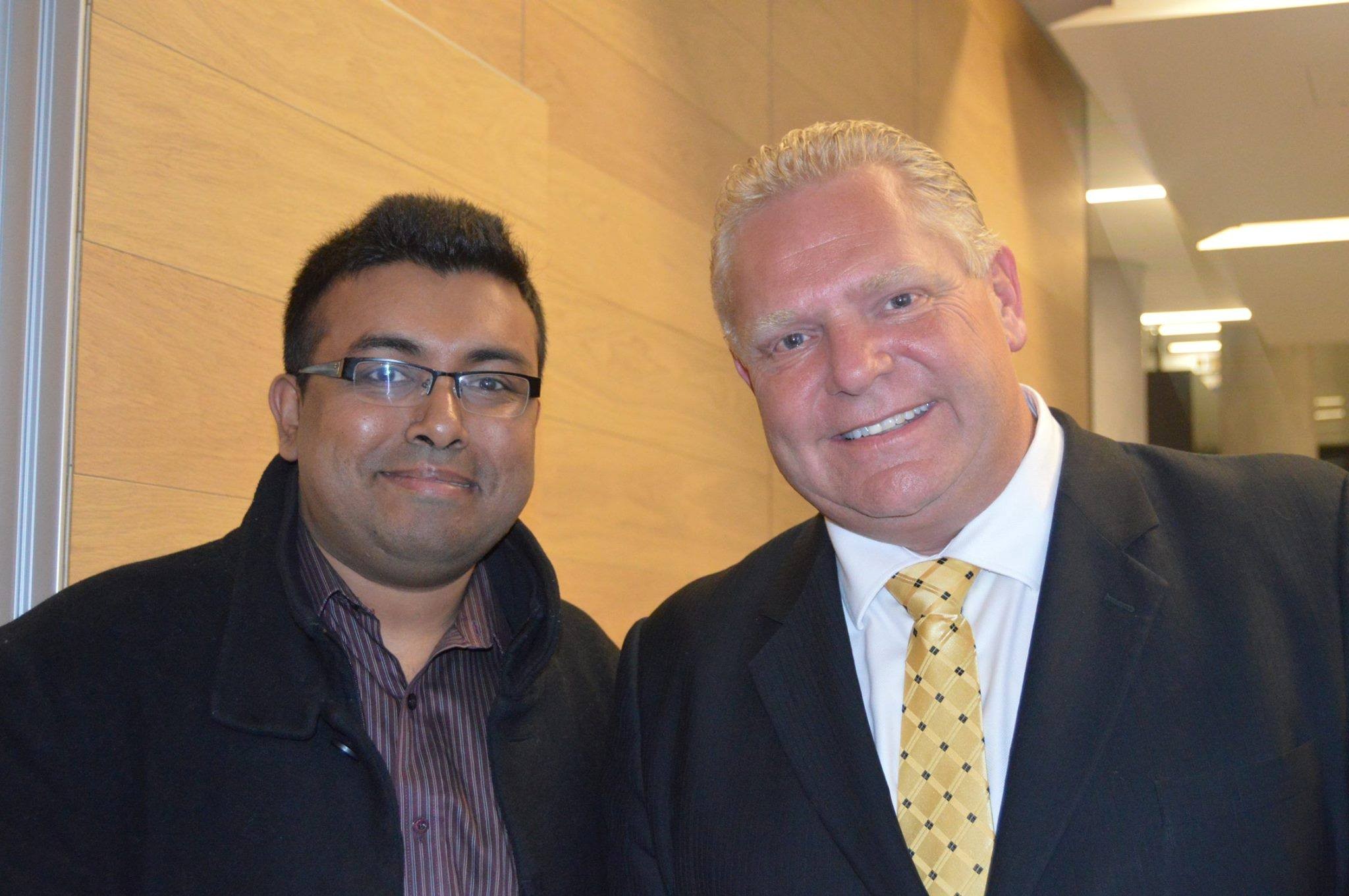
When Ontario Premier Doug Ford and Manitoba Premier Wab Kinew shook hands on their new memorandum of understanding, they did more than ink a bureaucratic agreement—they sent a clear signal that provincial self-interest need not stand in the way of shared prosperity. In a Canada where provincial turf wars have too often stalled the flow of goods, people and ideas, this pact represents a welcome jolt of common sense. If there’s any doubt about why it matters, consider the numbers: Ford estimates interprovincial trade barriers cost our economy up to $200 billion a year. That’s money—along with countless opportunities—left on the table.
Toward a Truly National Economy
For too long, doing business between provinces has felt like navigating a patchwork: rules here, red tape there, and no guarantee that a professional credential earned in Halifax will matter in Regina. Ford and Kinew are promising to change that. If a red seal tradesperson can hop from Winnipeg to Windsor without jumping through hoops, it’s not just workers who win—it’s employers, consumers and communities hungry for skilled labour. Simplifying credentials and regulatory approvals may not grab headlines the way layoffs or tax cuts do, but in practical terms, it’s one of the most powerful engines for job creation this country has.
A Shot Across the Bow of Ottawa
Make no mistake: this is also a statement of provincial independence—Ford’s government is determined not to wait for Ottawa to fix things. By striking deals directly with Manitoba (and soon, Saskatchewan and hopefully Alberta), Ontario is demonstrating that interprovincial trade liberalization can be driven from the ground up. Critics may accuse Ford of grandstanding or of playing politics, but if the result is a swifter, more agile economy, most Canadians are unlikely to care about the motivations. After all, they’ll feel the benefits at the cash register and on paycheques long before they see any partisan score-settling.
Pouring a Glass for Progress
Perhaps the most attention-grabbing aspect of the MOU is the promise of direct-to-consumer alcohol sales by June 30. It’s a small detail in a sweeping agreement, yet it speaks volumes. Why can’t a Manitoban order an Ontario craft beer online and have it shipped? Why can’t an Ontarian enjoy Manitoba’s distillers without jumping through endless hoops? Removing this barrier isn’t just about convenience—it’s about celebrating regional entrepreneurship and sipping the fruits of cross-country collaboration.
Obstacles and Optimism
Of course, challenges remain. Harmonizing regulations between provinces is notoriously complex. Some industries will push back, fearing competition; public health advocates will scrutinize online alcohol sales. And there’s always the question: will these bilateral deals eventually stitch together a coast-to-coast framework, or will they remain isolated partnerships? Achieving a truly seamless internal market will require patience, political will and the flexibility to learn from each agreement.
Yet, the Ford–Kinew MOU gives reason for cautious optimism. It’s a reminder that economic integration doesn’t have to wait for federal action; provinces can lead the charge. If Ontario and Manitoba can prove that mutual trust and cooperation deliver real benefits, other provinces will be hard-pressed to stay on the sidelines. And that, in the end, may be the greatest victory of all.

