
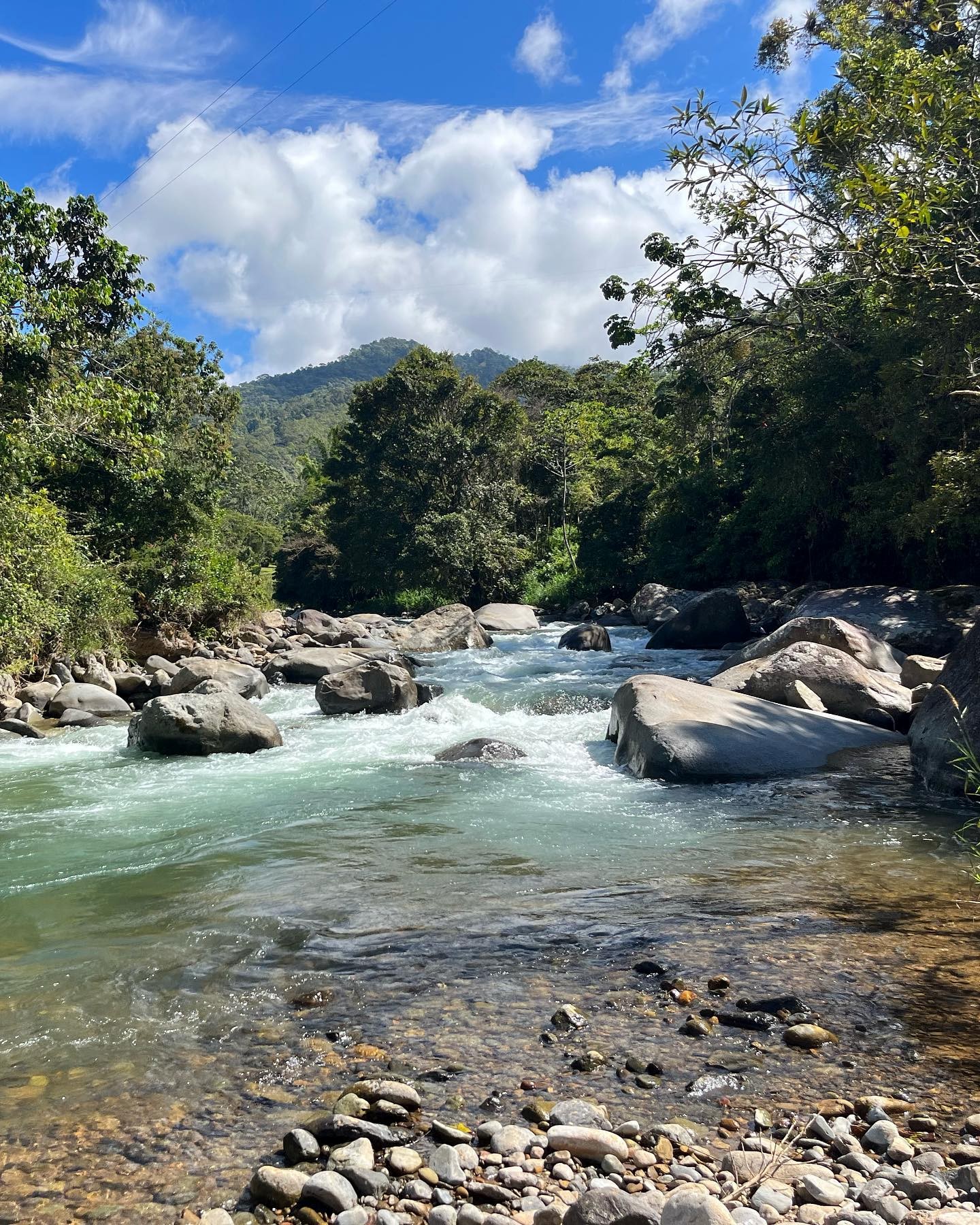
I can’t shake the image of children laughing as they splash in the Mackenzie River under a blazing August sun. Normally, this far north of the Arctic Circle, August is the quiet prelude to autumn’s return long shadows, cooling air, and the first hints of frost. Instead, Inuvik, a town perched on a thousand feet of permafrost, just smashed its all-time heat record with a shocking 35 °C (95 °F).
At first glance, it sounds idyllic: families savoring popsicles, kids reveling in a true summer. But beneath the welcome warmth is a disturbing reality. This was the fourth heatwave of the season. Midnight sunsets mean the heat barely relents at night. Barges that bring food and supplies can’t navigate the Mackenzie River because prolonged droughts have lowered its levels. Residents speak of “terrifyingly ugly” parks where lush waters once stood.
And the danger is not abstract. Last year, wildfires swept across the Northwest Territories, forcing mass evacuations and stopping just eight miles from Inuvik. This week, more than half the territory faces “extreme” fire risk. People still remember the panic bags packed, eyes on the horizon. When even berry-picking reveals the ground cracking with dryness, it’s impossible to ignore the warning signs.
Canada’s north is warming at a rate faster than the rest of the planet. Melting glaciers and vanishing sea ice feed a vicious cycle, amplifying temperatures and drying out forests. The Arctic is supposed to be our climate’s thermostat. Instead, it’s breaking down, and we’re all going to feel the consequences.
I understand the relief locals feel in escaping winters that can plunge to –56 °C. But joy in a balmy summer can’t outweigh the long-term cost. These record-shattering temperatures aren’t just weather quirks they’re signals of a rapidly destabilizing climate. If we fail to confront the causes of global warming, what’s happening in Inuvik today will echo far beyond the Arctic tomorrow.
It’s time to treat these “nice hot days” for what they are: an urgent call to action.

