
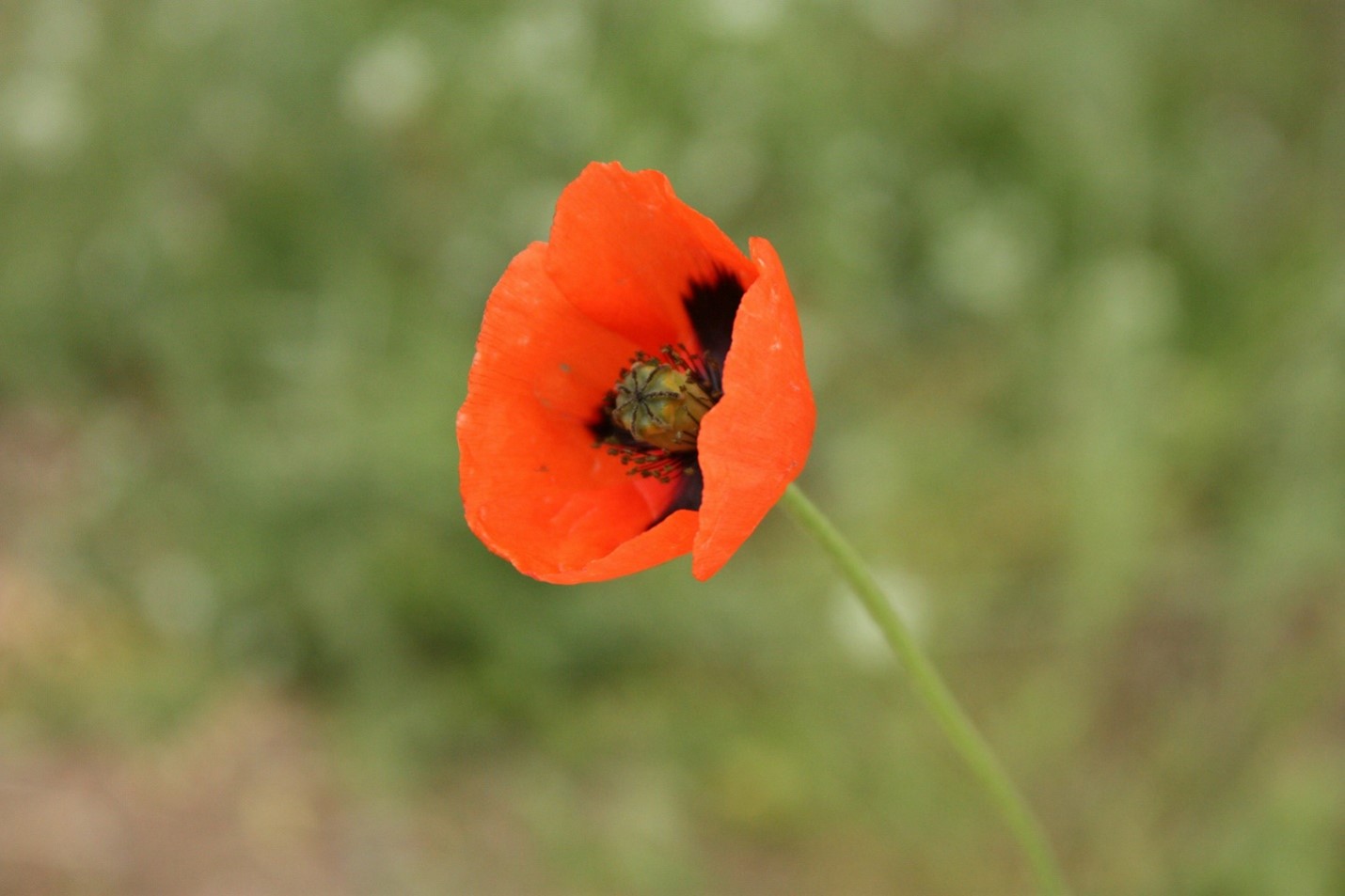
Throughout November, thousands of Canadians carry poppies on their chests and walk around the workplace, on trams, buses, and trains. Canadians remember this day of November 11 with deep respect, Remembrance Day. Millions of red artificial poppies are sold. Plastic poppies with pins are placed in a container in various places including shopping malls, educational institutions, offices, and subways. There is a coin box next to it. School students also participate in fundraising. An organization called the Poppy Fund Trust has been formed to honor the martyrs. The money earned goes to that fund. The expenses of the relatives of the soldiers who were killed in the First World War who are still alive are borne in various sectors. ‘Remembrance Day’ is observed in Canada and many other Commonwealth countries in the month of November.
The beauty of poppies has captivated my eyes since childhood. I used to stare in fascination at the innocent poppies swaying in the gentle breeze. I was shocked when I found out what poisonous substance this flower contains. In addition to the beauty of its beautiful flowers, the poppy plant produces various medicinal ingredients, and the fruit of this plant produces the deadly drug opium. It is difficult to imagine that this beautiful and harmless-looking plant is a drug plant. Poppy seeds are collected from this plant, which are used as poppy seeds. It is a very valuable ornamental plant that people all over the world have been planting in their flower gardens. Not all poppy flowers produce opium. There are several harmless species of poppy flowers that adorn the garden, but do not produce drugs. Poppy is very popular as a winter flower. The soil and climate of Bangladesh, including many countries in the world, are suitable for poppy cultivation. The common name of poppy is opium poppy or breadseed poppy. The scientific name is Papaver somniferum. Poppy belongs to the Papaveraceae family.
Opium is obtained from the immature seed pods of the poppy flower. The raw material for opium is collected from the poppy plant after the petals have fallen from the poppy flower. Opium is made from the milky sap that comes out when the fruit is scratched or from the sliced pieces of the fruit. This collected sap is used as the raw material for opium. After coagulation, this sap changes color. When exposed to air, this sap forms a brown gum-like substance. The collected opium is sold as powder or as solid lumps, or it is again processed into codeine and heroin through various processes. In addition to heroin, morphine is obtained from it, which is used as medicine. Fascinated by the beauty of the poppy flower, the people of Mesopotamia named this flower ‘Gulgil or the tree of joy’. Later, seeing its destructive power and its scope, it was named ‘Mother of Drugs’. On the other hand, many people think that the poppy plant is called by the wrong name, such as opium poppy. In addition to opium, many useful medicines are made from poppy. The name breadseed poppy is considered more appropriate. Because most varieties produce edible seeds.
Of all the varieties of poppy that are being grown, opium is not produced in large quantities. A variety called Sujata does not produce any opium poppy. There are different varieties for each purpose of using the poppy plant, which are used for different businesses. In addition, some varieties of poppy are commercially cultivated as ornamentals. To get good flowers, it is better to sow the seeds in the seedbed first and then plant the seedlings in the ground. Usually, seedlings are planted in the month of October, but the sowing time varies in different countries according to the weather and environment. Flowers start to appear within one and a half to two months. Since the cultivation process of their poppy plants is easy, most of the poppies are cultivated through seeds.
Poppy seeds have been used in cooking for ages. Poppy seeds used in cooking are called poppy seeds. Poppy seeds are used as a spice to enhance the taste of cooking. Again, poppy oil is also prepared from these seeds by grinding them. For thousands of years, people of different civilizations have been cultivating poppy seeds, which look like small kidneys. The seeds are ground or crushed and used as a spice in various foods. White poppy seeds are usually used as a spice to add color and flavor to food. However, black poppy seeds are also used in food. Poppy seeds play a major role in making wedding food so delicious. Poppy seeds contain very little narcotics compared to the seed pods.
Poppy seeds have been mentioned in many ancient medical texts. The Egyptian Ebers Papyrus, a parchment written in 1550 BC, mentions poppy seeds as a sedative. The Minoan civilization, which lived around the island of Crete from about 2700 to 1450 BC, cultivated poppies for their seeds. They prepared a mixture of milk, opium, and honey that was used to calm crying, restless children. Another civilization called Sumerian is known to have grown poppy seeds. The shape of the poppy seed is similar to a kidney. The outer coating of the poppy seed looks like a mosaic and there are very small holes on the seed. The poppy seed is less than a millimeter long. Usually, there are 3,300 poppy seeds in one gram of poppy. The right time to collect poppy seeds is when the seeds of the poppy fruit are ripe.
The poppy plant has small cup-shaped flowers at the end of a long stalk. The poppy plant grows up to about 60 cm tall.
Scarborough, Canada

