
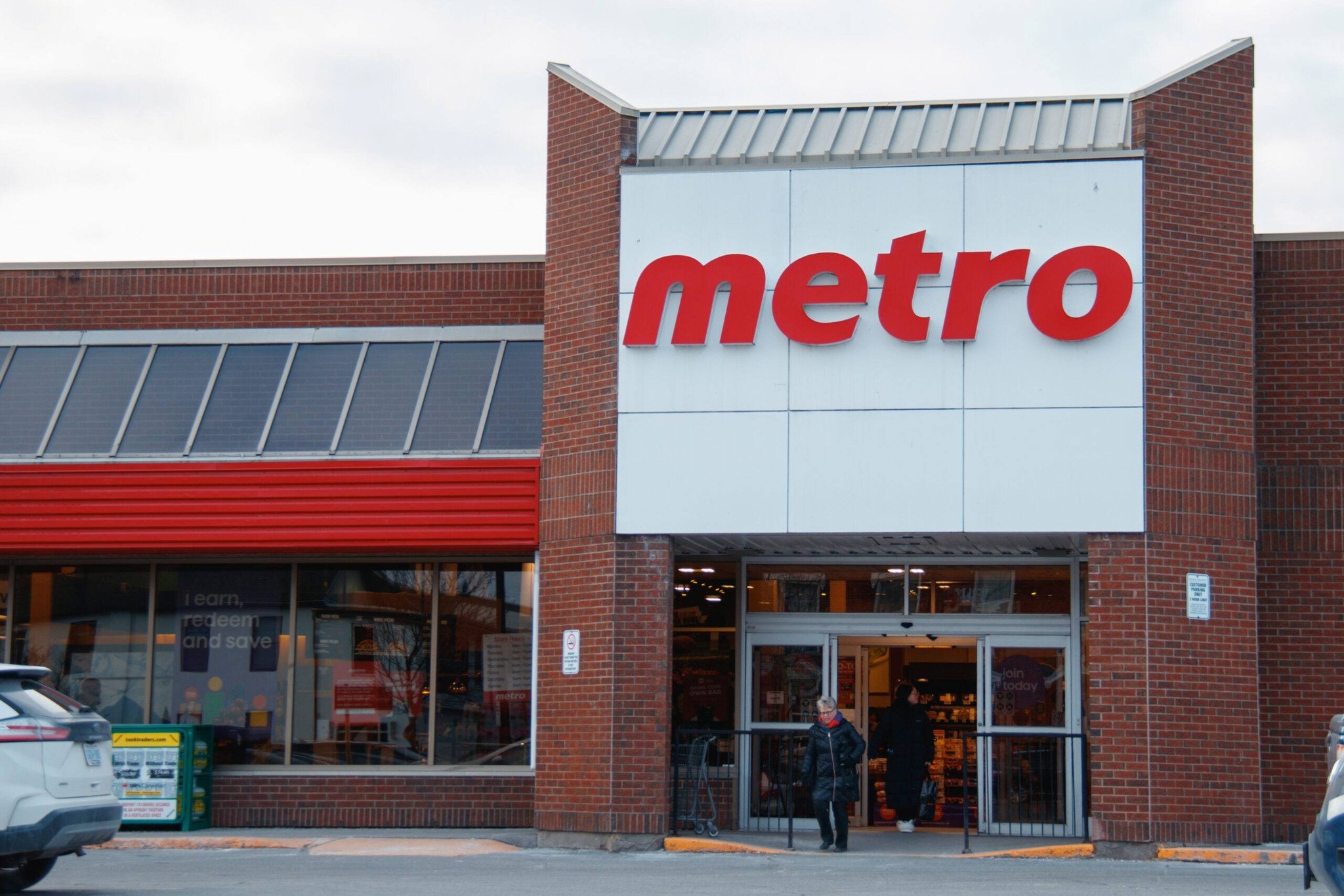
Canadian grocery and drugstore chain Metro Inc. is cautioning that shoppers have yet to experience the full weight of soaring fuel prices in their grocery bills though the pressure is clearly building behind the scenes.
Speaking after the company released its second-quarter financial results Wednesday, Metro CFO Nicolas Amyot said supplier price increase requests have been surprisingly modest so far. “Only a few, actually,” he noted, adding that the company is actively negotiating with suppliers to slow down any cost pass-through to consumers.
Yet Metro’s own distribution network is already absorbing the hit. Higher fuel costs for the company’s logistics operations are being felt directly, Amyot confirmed, calling it “more pressure that we need to manage.” CEO Eric La Flèche echoed the sentiment, saying it’s only a matter of time before those elevated costs start showing up on price tags.
The surge in fuel prices stems from a dramatic escalation in Middle East tensions. Oil prices spiked after Iran moved to block tanker traffic through the Strait of Hormuz following military action by the United States and Israel in late February. With the narrow but critical waterway largely cut off, energy markets have been rattled and the downstream effects are rippling through supply chains worldwide.
Even before grocery prices formally adjust upward, consumer behaviour is shifting. La Flèche said higher gas prices are intensifying value-seeking habits among shoppers.
“Fuel price pressures contribute to affordability crisis and contribute to customers searching for value in everything that they buy, including food,” he told analysts on the call.
Metro says it’s well-positioned to handle that shift. The company’s discount store banners outperformed its full-price Metro stores in same-store sales last quarter, and private-label products outsold national brands a classic signal of belt-tightening among consumers.
“Discount is growing faster. People are searching for value in all of our banners, not just discount,” La Flèche said, while also acknowledging a fiercely competitive grocery landscape, with rivals Loblaw and Empire having aggressively expanded their own discount footprints in recent years.
Metro posted a second-quarter profit of $246.6 million, or $1.16 per diluted share, for the 12-week period ending March 14 a notable jump from $220.0 million, or 99 cents per diluted share, in the same period last year.
Total sales reached $5.11 billion, up from $4.91 billion a year ago. Food same-store sales grew 1.8 percent, while pharmacy same-store sales climbed 5.1 percent, driven by a 6.1 percent rise in prescription drug sales and a 2.8 percent uptick in front-store purchases. On an adjusted basis, the company earned $1.11 per diluted share, compared to $1.02 a year earlier.
Looking ahead, Metro flagged that an ongoing labour dispute at its produce distribution centre in Laval, Quebec, will weigh on third-quarter results. Around 550 warehouse workers and drivers at the Mérite 1 facility in Montreal’s Rivière-des-Prairies neighbourhood have been on strike since March 30, demanding higher wages beyond the 11 percent increase already secured under their 2019–2025 agreement.
La Flèche said contingency plans are in place and Quebec store shelves are largely restocked, but the damage has been done. “We lost some sales. When you lose sales, you lose the bottom line,” he said, noting that the costs of running the contingency operation add further strain.
With fuel costs still climbing, supplier negotiations ongoing, and a labour stoppage threatening its supply chain, Metro faces a more turbulent road ahead even as its latest quarterly numbers tell a story of resilience.

