
Canada’s major carriers are grounding ambitions and cutting schedules this summer as jet fuel prices, driven skyward by the ongoing conflict in Iran, continue to squeeze an industry already navigating razor-thin margins.
Air Transat and WestJet both confirmed capacity reductions this week, joining Air Canada in a growing chorus of airlines warning that the fallout from the Middle East crisis is reshaping travel across the country and those costs are increasingly being passed to passengers.
Transat A.T. Inc., the Montreal-based travel company behind Air Transat, announced it would trim its flying program by six percent across the critical May-to-October window. The carrier is pulling back on flight frequencies to parts of Europe and the Caribbean and extending its suspension of service to Cuba, citing volatile energy markets and fuel supply constraints affecting certain regions.
CEO Annick Guérard acknowledged that demand remains healthy, but said the airline has little choice but to adapt. She left the door open to further action, warning that additional measures could follow depending on how the situation develops.
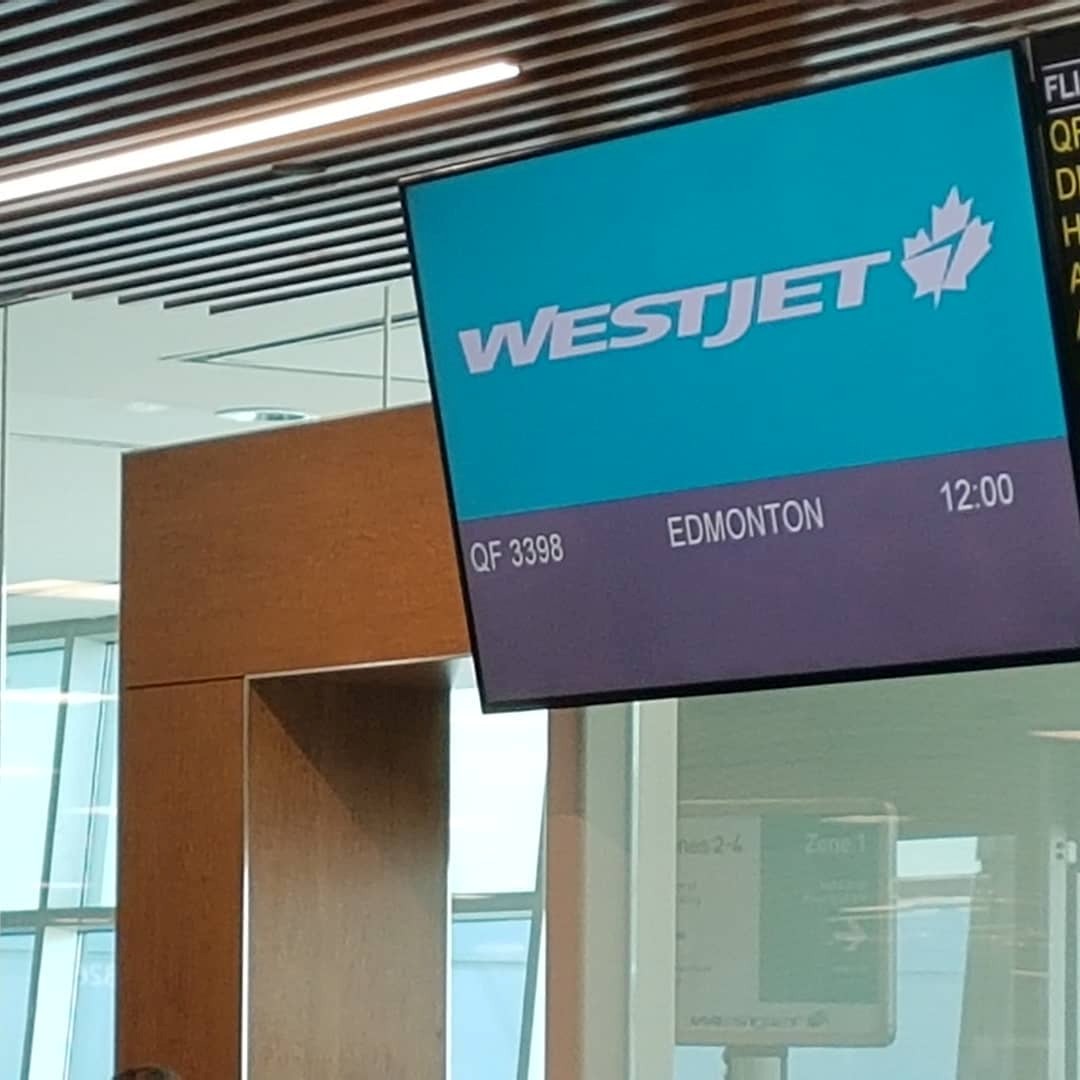
Calgary’s WestJet is taking a more gradual approach, cutting roughly one percent of its capacity in April, three percent in May, and nearly six percent by June. No routes have been axed outright yet, but the airline said it is evaluating its full summer schedule and is in ongoing contact with fuel suppliers. On some routes, the carrier is consolidating passengers onto fewer flights and trimming the windows for seasonal services.
To offset surging costs, WestJet has slapped a temporary $60 fuel surcharge on bookings made through its Rewards companion voucher program, pledging to remove it once prices normalise. Customers booking through its Sunwing Vacations and Vacances WestJet Québec brands which came under WestJet’s umbrella after its 2023 acquisition of Sunwing Airlines are facing a separate $50 per-person fuel charge.
WestJet and Air Transat are following a trail already blazed by Air Canada, which last week announced the suspension of six routes it deemed unprofitable at current fuel prices. Among the casualties are Toronto and Montreal flights to New York’s JFK airport, suspended between June 1 and late October.
Air Canada also confirmed higher baggage fees, with the first checked bag in basic economy now costing $45, up from $35, on domestic, U.S., and sun destination routes.
The numbers behind these decisions are stark. Air Canada burned through more than $5.1 billion worth of jet fuel in 2024 its single largest expense, eating up nearly a quarter of all operating costs. With fuel prices having roughly doubled since hostilities began in Iran, the airline is bracing for a significantly heavier bill this year.
The root of the problem traces back to late February, when U.S.-Israeli military strikes against Iran effectively shut down activity in the Strait of Hormuz the narrow waterway between Iran and the Arabian Peninsula through which approximately one-fifth of the world’s daily oil supply flows. The resulting shock to global oil markets triggered price surges that hit refined petroleum products, including jet fuel, even harder than crude oil itself.
A fragile ceasefire has since taken hold, but prices remain roughly double what they were before the conflict began. Energy and shipping experts had flagged early on that any sustained disruption to Hormuz would cascade through supply chains and land on consumers’ bills a warning that has proven accurate.
Canada is somewhat insulated from the supply side of the crisis, drawing much of its jet fuel from domestic refineries which process around 1.6 million barrels of crude daily as well as from the U.S. Gulf Coast and Pacific Northwest. That geographic advantage limits exposure to supply shortages but does nothing to soften the price impact, since airline fuel contracts are tied to global commodity market indexes regardless of where the fuel originates.
For travellers planning summer trips, the message from Canada’s airlines is clear: expect fewer options, higher fees, and the possibility of more changes to come.

