
An activist group known for disrupting Canadian elections with unusually long ballots is now setting its sights on an upcoming federal byelection in Quebec, renewing debate over the country’s electoral system and candidate nomination rules.
The Longest Ballot Committee, which advocates for electoral reform, has begun gathering signatures to register a large number of candidates in the Terrebonne riding ahead of the April 13 byelection. Organizers say the move is intended to highlight flaws in Canada’s first-past-the-post voting system, where a single winning candidate represents all voters in a riding.
Tomas Szuchewycz, one of the group’s organizers, argues that the current system presents a conflict of interest because elected officials are responsible for shaping election laws. He has called for an independent, non-partisan body to oversee electoral rules instead.
The Terrebonne byelection is one of three called by Prime Minister Mark Carney. The other two ridings University-Rosedale and Scarborough Southwest are widely considered safe for the Liberals. However, Terrebonne is expected to be closely contested between the Liberals and the Bloc Québécois, making it a key battleground.
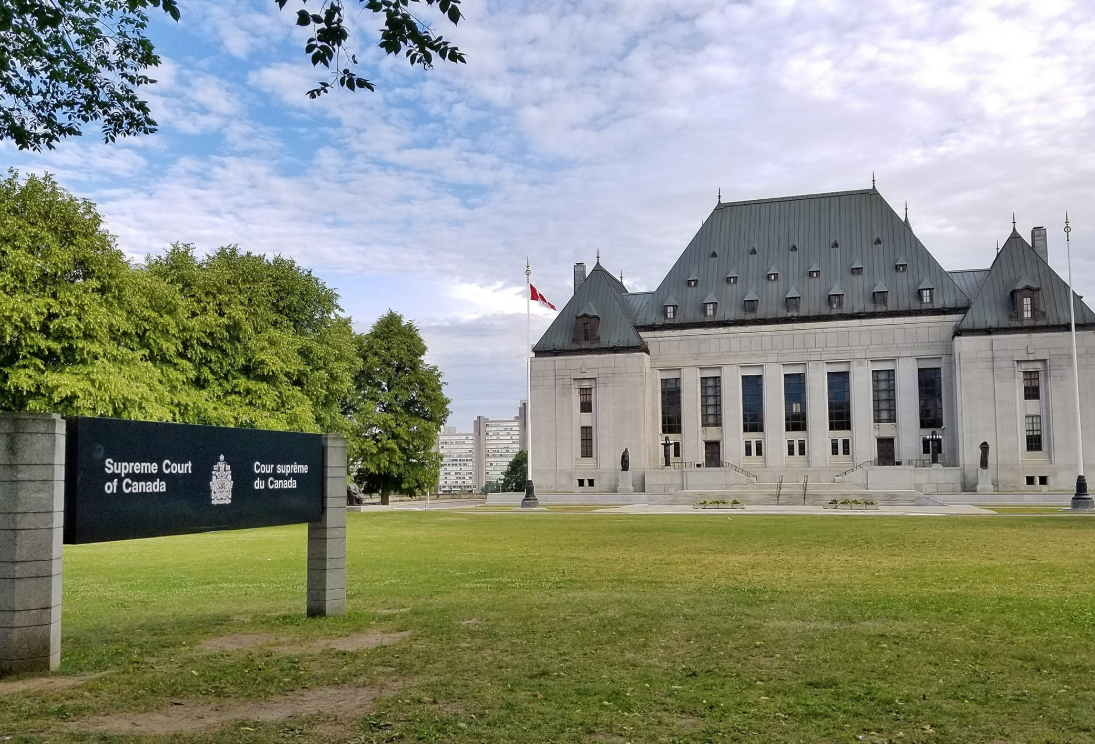
The seat became vacant after the Supreme Court of Canada overturned the results of the April 2025 federal election in the riding. Liberal candidate Tatiana Auguste had initially been declared the winner by a single vote over Bloc MP Nathalie Sinclair-Desgagné. The result was challenged after a voting error involving a mail-in ballot came to light, ultimately leading to the court’s decision to invalidate the outcome.
The Longest Ballot Committee previously made headlines during the last federal election by registering more than 80 candidates in the Carleton riding, where Conservative leader Pierre Poilievre was running. Poilievre ultimately lost that seat to Liberal candidate Bruce Fanjoy. The group later attempted a similar tactic in Alberta’s Battle River-Crowfoot byelection, where Poilievre ran again and won decisively despite the crowded ballot.
Critics argue that such protest tactics create confusion for voters and undermine the integrity of elections. Poilievre has been among the most vocal opponents, urging the federal government to tighten nomination requirements. In a letter last year, he proposed increasing the number of required signatures for candidates and restricting supporters to endorsing only one candidate each.
The government has acknowledged these concerns. Government House Leader Steven MacKinnon stated that officials are reviewing potential changes to election laws to address the issue.
At the provincial level, Alberta has already moved to curb similar tactics by introducing stricter nomination requirements and limiting the use of misleading party names.
As the Terrebonne byelection approaches, the renewed presence of the Longest Ballot Committee is expected to test both the resilience of Canada’s electoral system and the appetite for reform among policymakers and voters alike.

