
A ruling by the B.C. Human Rights Tribunal ordering former Chilliwack school trustee Barry Neufeld to pay $750,000 for discriminatory speech has ignited a national debate over freedom of expression, political accountability, and the limits of human rights law.
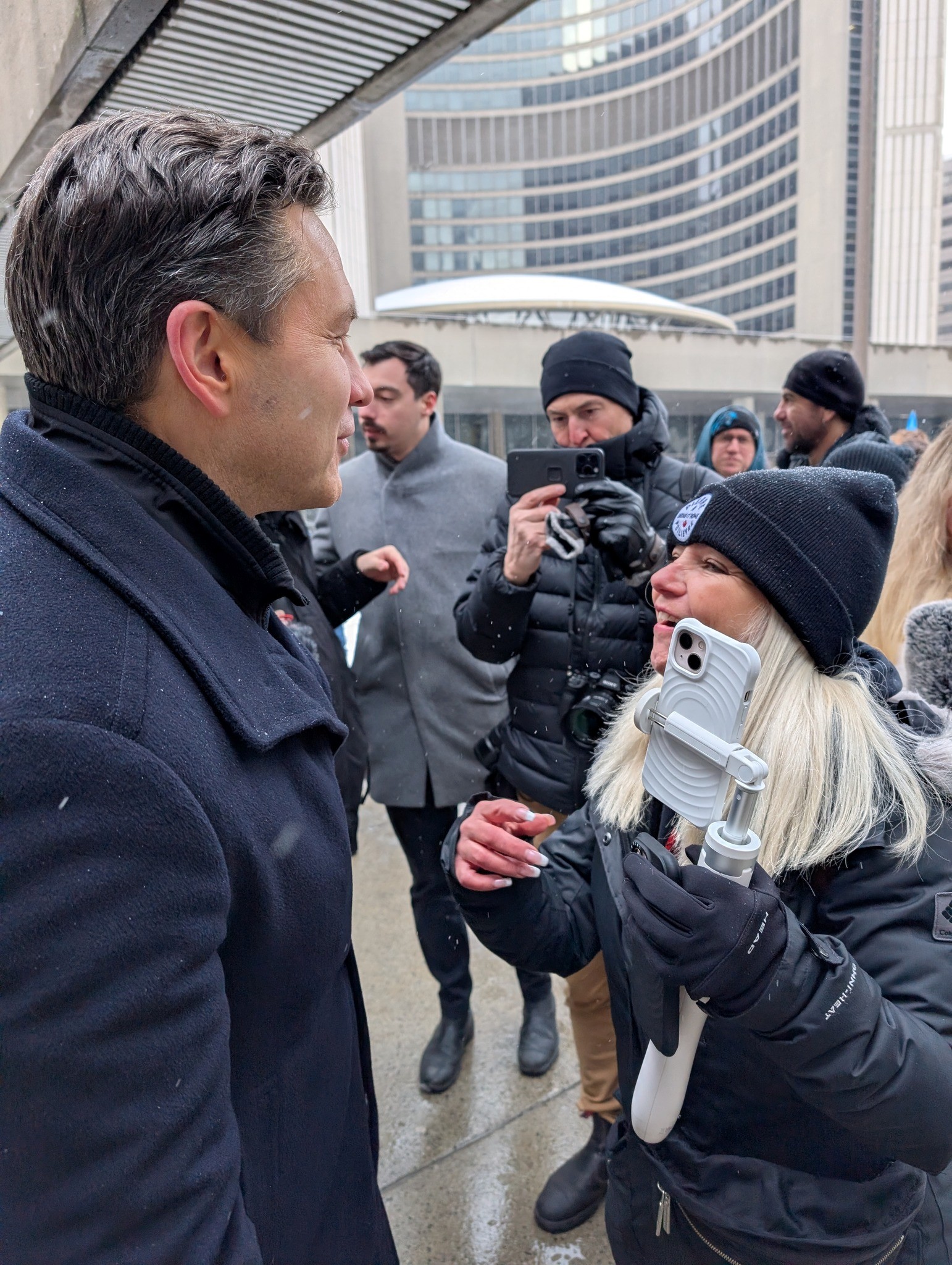
Conservative Leader Pierre Poilievre condemned the decision in a Feb. 22 post on X, calling it “insane and Orwellian” and accusing authorities of stifling dissent. Linking to a Conservative Party petition on free speech, Poilievre argued that Neufeld should not face financial punishment for publicly stating there are two genders.
“Governments and kangaroo courts now chill freedom of expression instead of fighting crime,” Poilievre wrote. “Enough is enough. We must defend the truth and free speech against these mad censors.”
The tribunal issued its final decision on Feb. 18, concluding a case that began in 2017 after the B.C. Teachers’ Federation and the Chilliwack Teachers’ Association filed a complaint over Neufeld’s comments about sexual orientation and gender identity (SOGI) curriculum in schools.
Neufeld, who served as a school trustee from 1993 to 2008 and again from 2011 to 2022, had been outspoken in his criticism of SOGI education since its introduction. The tribunal examined Facebook posts, emails, a public speech, and remarks made during school board meetings and in media interviews. In one post, Neufeld described allowing children to change gender as “nothing short of child abuse.”
In its 143-page decision, the tribunal concluded that six of Neufeld’s publications exposed gay and transgender people to “hatred or contempt,” while an additional 24 statements were deemed discriminatory under the province’s Human Rights Code.
Neufeld has vowed to challenge the ruling through a judicial review at the B.C. Supreme Court. In a statement, he described the penalty as “draconian” and said he intends to seek financial support through the Rights and Freedoms Fundraising Society to pursue his appeal. He acknowledged he does not have the means to pay the fine.
“I am sure they know I can never begin to pay this,” Neufeld wrote, suggesting the decision sets a precedent that could deter others from criticizing what he called “Gender Ideology.”
The ruling has prompted sharply divided reactions.
B.C. Human Rights Commissioner Kasari Govender, who intervened in the case, welcomed the decision, stating that denying transgender identities and relying on stereotypes causes significant harm. She said the outcome affirms that human rights protections apply to elected officials’ public statements and underscores that transgender people are entitled to recognition and respect.
The B.C. Teachers’ Federation also praised the ruling, calling it a significant victory for LGBTQ rights.
Critics, however, argue the decision crosses a line. Dallas Brodie, leader of the One BC party, described the tribunal as a political enforcement arm of the provincial NDP government and called for its abolition. Independent MLA Jordan Kealy warned that redefining opinion as harm could make free expression conditional.
The controversy has even drawn international attention. British comedian John Cleese announced he would remove British Columbia from his upcoming Canadian tour schedule after reading about the decision, citing concerns about free speech.
The case echoes a similar dispute involving Vancouver nurse Amy Hamm, who was ordered last year to pay nearly $94,000 in legal costs by the B.C. College of Nurses and Midwives for comments about gender identity made while identifying herself as a nurse. Poilievre also criticized that decision, describing it as censorship.
The Conservative petition linked by Poilievre references Hamm’s case and opposes elements of Bill C-9, the federal government’s proposed Combatting Hate Act. Introduced by the Liberal government in September 2025, the bill seeks to amend the Criminal Code to strengthen measures against hate crimes. Conservatives have expressed concern that certain provisions particularly an amendment removing the religious defence to hate speech could infringe upon freedom of expression and religious liberty.
Justice Minister Sean Fraser has indicated the government is open to refining aspects of the bill in response to criticism but accused Conservatives of attempting to obstruct the broader criminal justice agenda.
As Neufeld prepares his appeal, the case has become a flashpoint in a wider national conversation about where the boundaries lie between protecting vulnerable communities and safeguarding free speech in Canada’s public discourse.

