
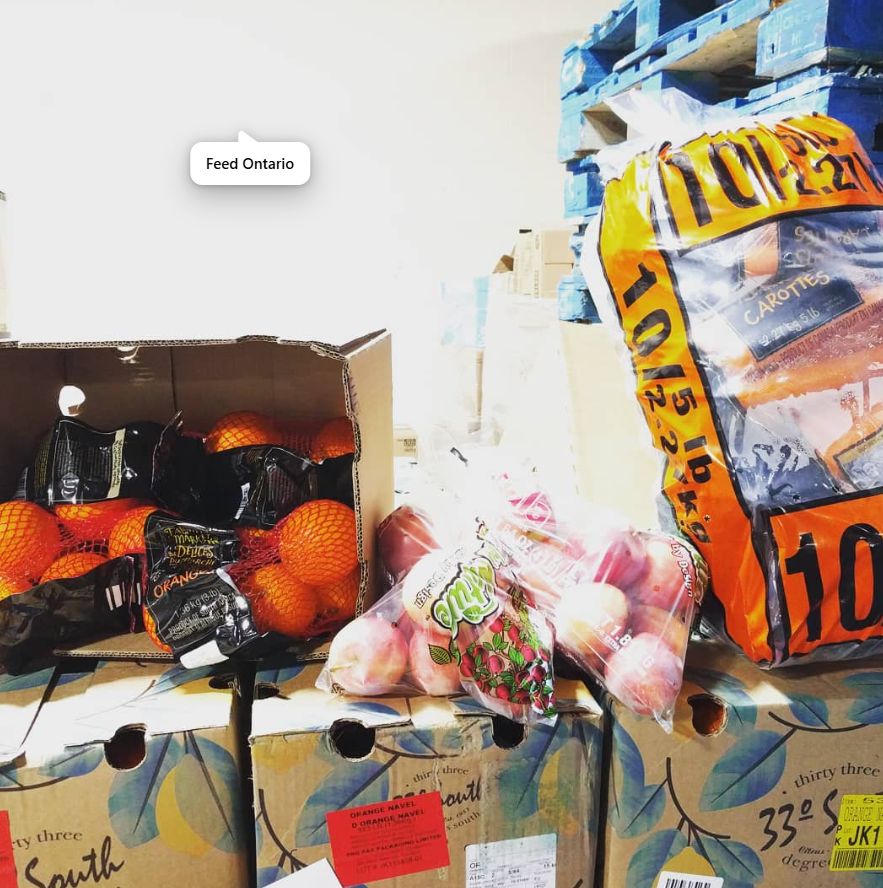
The rupture between Toronto’s Daily Bread Food Bank and Feed Scarborough is more than a dispute between two charities. It is a sobering reminder that when trust erodes in the nonprofit sector, the consequences ripple far beyond boardrooms and balance sheets straight into the lives of people who are already struggling to put food on the table.
Daily Bread’s decision to sever ties with one of its largest member agencies is serious by any measure. Allegations of invoice discrepancies, misuse of funds, and concerning governance practices are not minor administrative issues; they strike at the core of what keeps charities credible. For organizations that rely almost entirely on public trust donations, volunteers, and partnerships transparency is not optional. It is the foundation.
At the same time, it is important to acknowledge that these are allegations, now under police investigation, not proven facts. Feed Scarborough’s CEO, Suman Roy, has strongly denied wrongdoing and says all funds received were used for charitable purposes. He has also stated his willingness to cooperate fully with investigators. In a country governed by the rule of law, due process matters. Public opinion should not turn into a verdict before the facts are established.
Still, Daily Bread’s response signals how seriously it views the situation. Retaining legal counsel, attempting audits, and sharing findings with police are not steps taken lightly. The claim that Feed Scarborough allegedly prevented audit work if substantiated would understandably alarm any funder. Accountability is a two-way street, and when oversight breaks down, funders have a responsibility to act, even if that action is disruptive.
What is most troubling is the timing. Toronto is in the midst of an unprecedented hunger crisis. According to Daily Bread and North York Harvest Food Bank, food bank visits jumped from 3.49 million in 2024 to 4.12 million in 2025. Usage has increased by a staggering 340 percent since 2019. These are not abstract statistics; they represent families, seniors, students, and working professionals many with multiple jobs and post-secondary degrees who still cannot afford food.
In this context, any disruption to food distribution feels reckless, even if justified. Daily Bread deserves credit for emphasizing “uninterrupted access” to food in south Scarborough and for moving quickly to set up alternative support locations through trusted partners. That commitment should be closely watched and rigorously fulfilled, because the people lining up for food are not responsible for governance failures at the top.
This episode also raises a broader, uncomfortable question: are our social safety nets being stretched beyond what charities can reasonably handle? When more than one in ten Torontonians relies on food banks, the problem is no longer just about charitable efficiency or oversight. It is about systemic affordability failures housing, wages, inflation that charities are being asked to patch over.
If the allegations against Feed Scarborough are proven false, reputations will have been damaged unnecessarily, and trust will need careful rebuilding. If they are proven true, then strong corrective action will be justified and necessary to protect donors and, more importantly, the people who depend on these services.
Either way, the lesson is clear. Transparency and accountability are not bureaucratic burdens; they are moral obligations. In a city where hunger is rising at historic rates, the margin for error is painfully small. When trust breaks at the food bank, it is the community already under strain that feels the impact first.

