
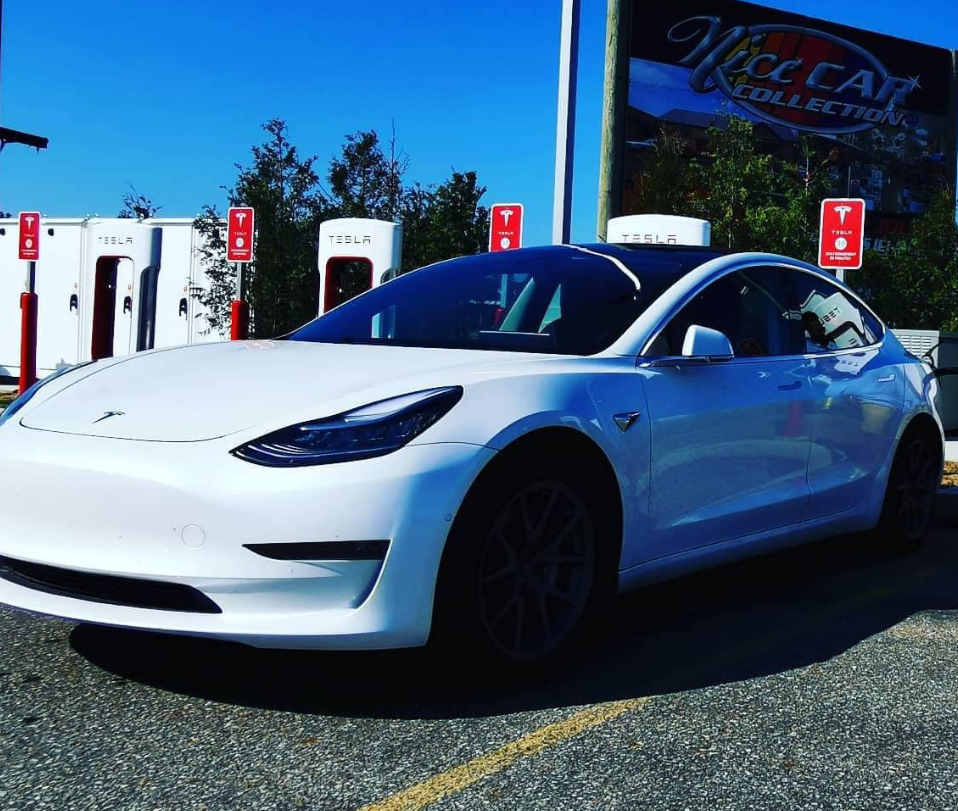
For months, Canada’s electric vehicle sales mandate has been hailed as a bold climate move a sign that we were finally serious about cutting emissions from our biggest polluting sector. But reality, as it often does, has caught up to policy. With Prime Minister Mark Carney’s recent decision to pause the 2026 rollout and launch a 60-day review, the federal government is finally acknowledging what many in the industry have been saying for months: ambition is easy; execution is hard.
Under the original plan, car manufacturers were expected to ensure that 20 percent of all new cars, SUVs, and light-duty trucks sold next year would be zero-emission vehicles (ZEVs). That includes electric and plug-in hybrid models. It’s a noble goal but a lofty one, given that EVs made up just 8.77 percent of new vehicle sales as of August, according to Statistics Canada. The math simply doesn’t work.
Compounding the problem are U.S. tariffs that have been squeezing Canada’s auto sector, threatening jobs and production lines. Carney’s decision to exempt automakers from those sales targets for a year isn’t about backpedalling on climate commitments it’s about keeping the industry alive long enough to actually meet them later. Liquidity matters. Factories can’t retool or innovate if they’re struggling to stay afloat.
Critics will undoubtedly call this move a capitulation to Big Auto. But that misses the point. A successful EV transition can’t happen through regulatory pressure alone. Consumers need affordability, infrastructure, and confidence. Carmakers need stability and access to supply chains. And governments need to match rhetoric with realistic timelines.
Yes, Canada needs to stay the course on electrification, but it must do so with its eyes open. Rushing mandates without market readiness risks backlash, and worse, failure. The federal review, expected by the end of the year, is an opportunity to recalibrate rather than retreat.
If Ottawa uses this pause to strengthen incentives, expand charging networks, and align with U.S. policy rather than just kicking the can down the road then this so-called “pause” might just turn out to be the smartest move yet in Canada’s clean transportation journey.

