
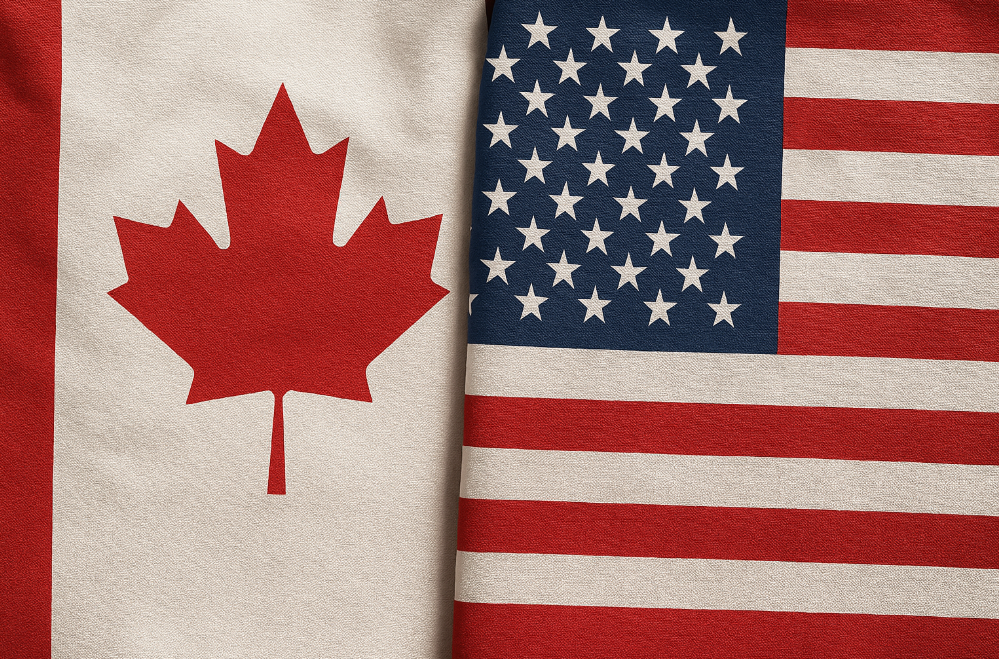
Prime Minister Mark Carney’s first post-tariff phone conversation with U.S. President Donald Trump was billed as “productive and wide-ranging.” On the surface, that sounds like progress. But when you peel back the diplomatic language, it’s hard not to feel that Canada is still playing catch-up with Washington and that the U.S. holds all the cards.
Trump’s decision to hike tariffs on Canadian goods from 25 percent to 35 percent beginning August 1 was a deliberate pressure tactic. The stated reason illicit fentanyl crossing the border hardly seems proportionate when Ottawa insists it accounts for only 1 percent of U.S. supply and has already rolled out a $1.4 billion plan to strengthen border enforcement. Still, the U.S. doubled down, pointing to Canadian retaliatory tariffs as justification for its own escalation. This is classic Trump: create a crisis, then demand concessions.
Carney’s willingness to keep talking is important, but the missed July 21 deadline and the lack of a deal by August 1 reveal Canada’s weak negotiating position. Mexico, by contrast, managed to maintain its tariff rate by keeping Trump on the phone and showing flexibility. Canada didn’t, and now we’re facing steeper penalties on everything from steel and autos to potash.
The geopolitical stakes make the moment even more complicated. Trump has thrust himself into the middle of Ukraine peace talks meeting with Putin, Zelenskyy, and European leaders in mid-August and Carney, naturally, wants to signal Canada’s support. But let’s be honest: Washington is calling the shots, and Ottawa is left applauding from the sidelines. Canada’s role in Ukraine is vital but limited, and tying that issue into trade negotiations risks muddling both priorities.
Meanwhile, Foreign Affairs Minister Anita Anand’s meeting with U.S. Secretary of State Marco Rubio shows just how wide-ranging the U.S. agenda is: Haiti, Gaza, China, Ukraine. Canada wants to be seen as a reliable partner in all these arenas, but the tariff fight makes us look reactive rather than proactive.
The bottom line: Carney’s phone call with Trump may have been polite and even “productive,” but Canada still doesn’t have a strategy for how to deal with a White House that sees trade as leverage for every other geopolitical demand. Unless Ottawa can find a way to turn the tables or at least define its own red lines we risk being pulled along on Washington’s ride, with little say in where it ends.

