
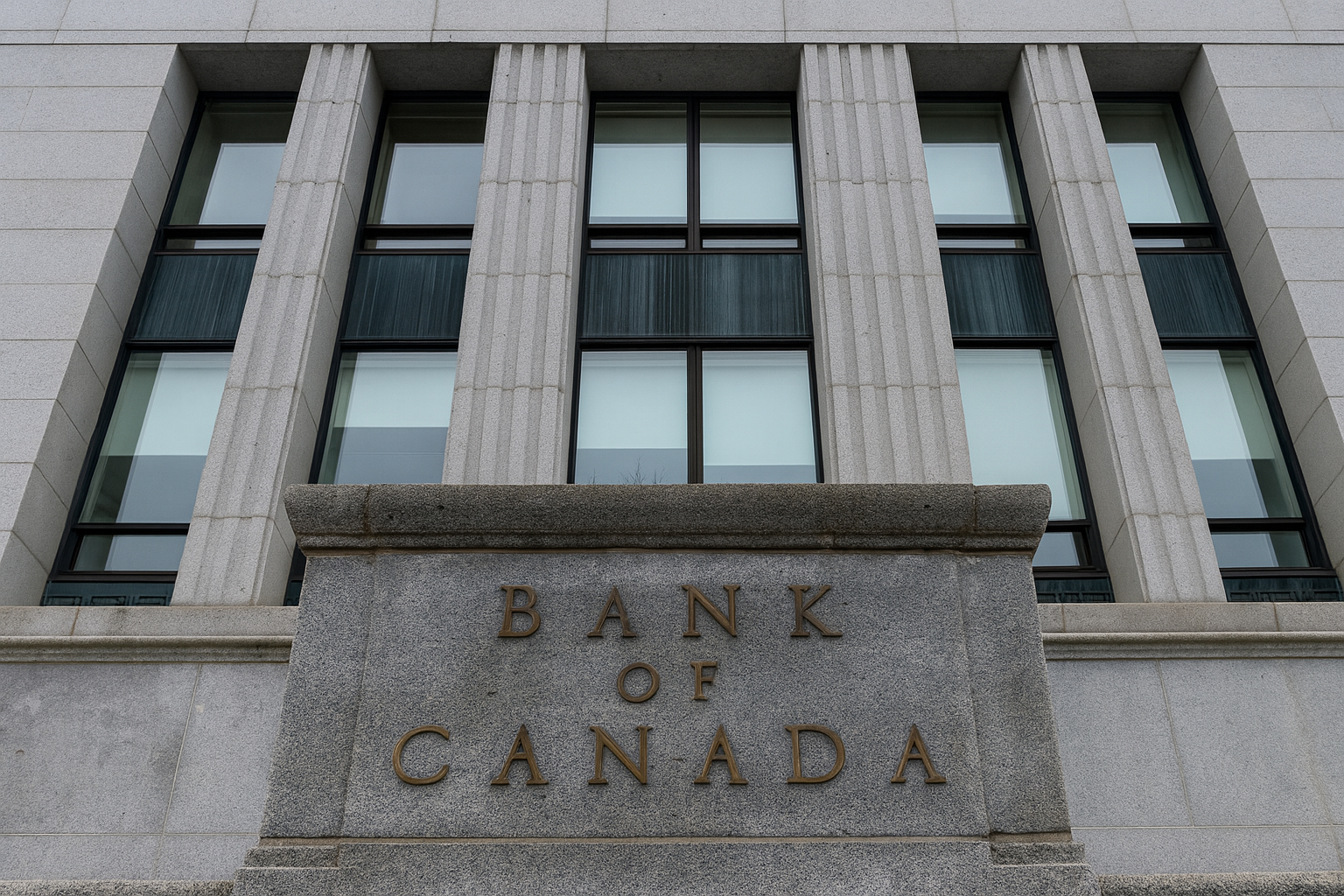
Inflation in Canada is proving to be stickier than many hoped, and with June’s figures now in, the message to the Bank of Canada is clear: patience is still the name of the game.
Statistics Canada reported this week that headline inflation ticked up to 1.9% in June, a modest but notable rise from May’s 1.7%. On the surface, that might not sound like much. But the more telling data lies beneath the headline—core inflation, the Bank of Canada’s preferred measure, is still hovering around 3%. That’s just too warm for comfort.
Let’s not forget that inflation is a lagging indicator. The base-year effect, where comparisons to last year’s data can distort year-over-year numbers, played a role here. In fact, prices in June only rose slightly month-to-month—but it was enough to lift the annual rate, partly because of a steeper price drop in June 2023.
But even if the increase was marginal, it underscores a reality: inflationary pressures haven’t gone away. In fact, some are creeping back. Durable goods—especially motor vehicles and furniture—are seeing faster price hikes. Used cars, dormant in price growth for a year and a half, are finally climbing again due to limited supply. Tariffs and a weaker Canadian dollar may be fueling part of this surge, but the demand side shouldn’t be ignored either.
As BMO’s Doug Porter aptly put it, the economy has been more resilient than expected, even in the face of an ongoing trade war with the U.S. That means consumers are still spending and businesses still feel comfortable passing on price hikes. Add to that a surprisingly strong June jobs report—83,000 new positions and a drop in unemployment to 6.9%—and it’s clear that the Canadian economy isn’t slowing down enough to warrant immediate rate cuts.
And that’s why the Bank of Canada’s cautious approach makes sense. After holding interest rates steady at 2.75% in two consecutive meetings, there’s little justification for a change in course later this month. Yes, financial markets had been flirting with the idea of a rate cut—odds stood at just over 13% before Tuesday’s data release—but those hopes have dwindled to just 5% now.
There’s simply no urgent reason to slash rates. While food inflation and shelter costs are easing slightly—welcome news for stretched households—the underlying trends suggest inflation isn’t ready to return to the BoC’s 2% comfort zone just yet. That’s especially true when you strip out energy and carbon price distortions. Excluding energy, inflation still sits at 2.7%.
Capital Economics is still predicting rate cuts in September and December, but even they’re hedging their bets. As their economist Stephen Brown noted, confidence in a September cut is starting to waver.
And rightly so. With trade tensions unresolved, automotive tariffs looming, and currency pressures still at play, the central bank would do well to wait for a clearer picture. As CIBC’s Ali Jaffery argued, the fall will offer better visibility—not just on the inflation data, but on how the economy is absorbing the shock of trade uncertainty.
In times like these, the Bank of Canada’s role isn’t to react to every data point—it’s to steer a steady course. With inflation still sticky and the economy surprisingly sturdy, a third straight interest rate hold in July isn’t just likely—it’s the most responsible path forward.

