
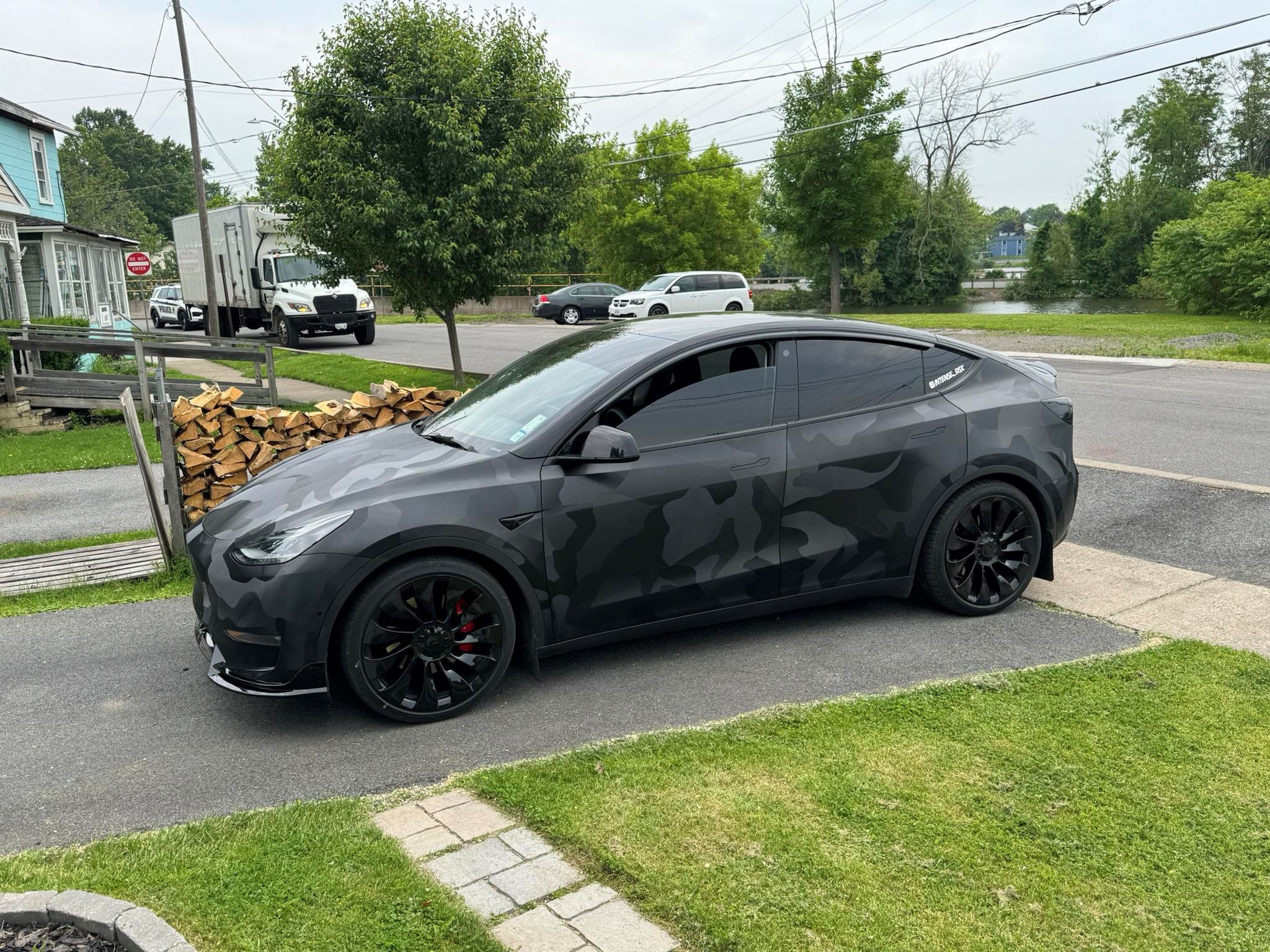
Canada’s ambitious goals to put more electric vehicles (EVs) on the road — 20 percent of all vehicle sales by 2026, 60 percent by 2030, and a full 100 percent by 2035 — are undeniably forward-thinking. But let’s be frank: without a dramatic drop in ownership costs, those goals may be tough to achieve.
The Parliamentary Budget Office (PBO) highlights a key hurdle — the price of owning a zero-emission vehicle (ZEV) needs to come down by nearly 29 percent by 2030 for these targets to be realistic. That’s a huge drop in a short period, and it underscores a hard reality: incentives and policy tweaks can’t do it all; we need cheaper vehicles.
It’s true that the federal government is extending incentives like the iZEV rebate, offering up to $5,000 off a new ZEV. The policy signals a strong political will to make this transition, and it’s a helpful boost to consumers who are on the fence. But it’s not enough on its own. The PBO’s numbers show we’d need a dramatic drop in vehicle prices — nearly a third — to align consumers’ wallets with climate goals.
Some policy decisions have made this path more confusing. The removal of the federal fuel charge, for example, cuts back a key price signal that made internal combustion less desirable. At the same time, it temporarily lowered the cost of driving a gas-powered vehicle — adding to the financial gap ZEVs need to close.
Public opinion underscores the problem. A recent federal survey shows only 36 percent of Canadians have considered buying an EV — a dramatic drop from 51 percent just two years earlier. The main complaints? Cost, range, and performance in cold conditions. That signals something more fundamental than incentives; it highlights deep-rooted doubts about whether the technology is ready — and affordable — for everyone.
Meanwhile, policy mechanisms like banking and selling ZEV credits, or allowing companies to offset their obligations by investing in charging stations, are clever policy tweaks — but they’re not enough to win over a skeptical market. To many people, buying a car is a huge financial decision, not a policy consideration.
The bottom line is clear: if we want ZEVs to become the norm, we need to bring their price down. That means more than just incentives — we need incentives for innovation, manufacturing at scale, greater competition, and technology breakthroughs — particularly in batteries — to drive those prices lower.
Furthermore, we must match this effort with a dramatic expansion of charging infrastructure. The PBO’s projections — adding nearly 34,000 standard charging stations and 4,700 fast-charging stations by 2030 — are a start. But we need to move faster and be smarter about where we put them to ease “range anxiety.”
Ultimately, policy signals and incentives can’t carry this transformation on their own. The industry itself must find ways to cut production costs and improve vehicle technology. Without these drops in price and expansion of charging, the federal goals — however well-intentioned — will remain more aspiration than reality.
The future of ZEVs in Canada hangs on making them more affordable and convenient. Until we close that gap, the majority of Canadian drivers will stay on the sidelines — and climate goals will remain out of reach.

