
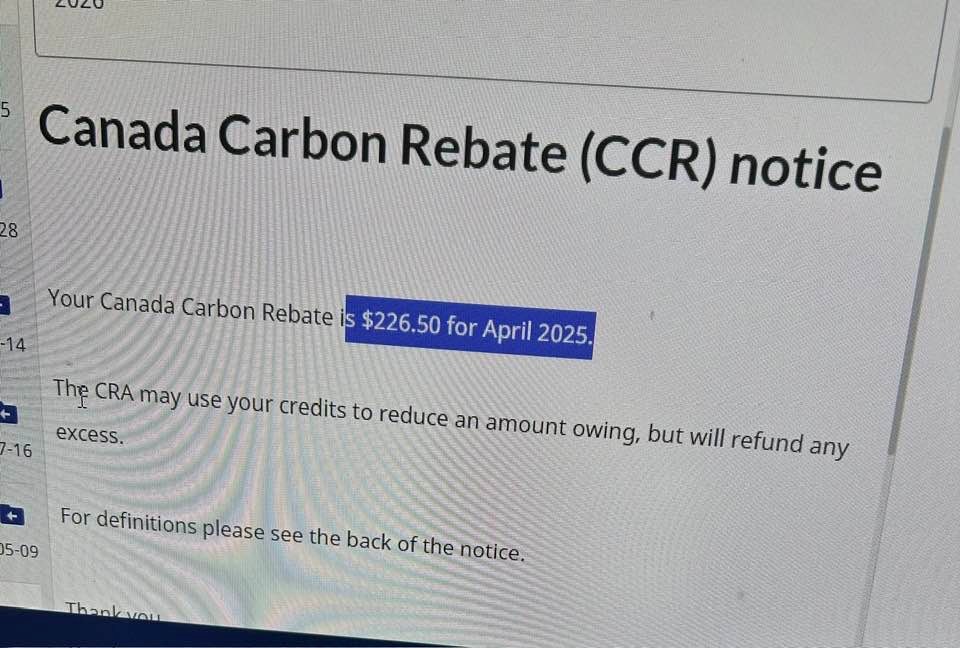
By repealing the consumer carbon tax, the Liberal government has finally acknowledged what many Canadians have been feeling for years: the policy was more pain than progress. The decision to scrap the fuel charge permanently through new legislation—after initially setting it to zero—marks a significant political and economic pivot. It’s a move that brings relief to everyday Canadians and signals a major course correction in the country’s climate policy narrative.
Finance Minister François-Philippe Champagne’s Making Life More Affordable for Canadians Act, tabled on May 27, goes further than expected. It not only repeals the consumer carbon tax, but also introduces an income tax cut and removes GST on certain new homes. It’s a clear sign the Liberals are trying to shift the conversation from carbon pricing to cost-of-living relief—and rightly so.
Prime Minister Mark Carney, known for his past support of carbon taxes, made this his first major act after being sworn in. His reversal on consumer carbon pricing may seem surprising, but politically, it was necessary. He understood that the carbon tax had become a lightning rod for public frustration—divisive and difficult to defend in an era of rising costs and economic anxiety. Blaming Conservative leader Pierre Poilievre for “misinformation and lies” may help rally the Liberal base, but ultimately, the repeal speaks louder than words.
Let’s be honest: for years, critics—especially Conservatives—have hammered the carbon tax as an economic burden that inflates prices on basic goods like gas, groceries, and heating. That argument resonated with Canadians far more than the environmental case for the tax. And with inflation cooling noticeably after the fuel charge was dropped on April 1 (CPI falling from 2.3% to 1.7%), the public now has tangible evidence to support those criticisms.
Of course, some caution is warranted. The government isn’t scrapping the entire Greenhouse Gas Pollution Pricing Act just yet. Certain administrative elements will remain in place until 2035 to allow time for reconciliation, like fuel adjustments for railways and CRA’s handling of past charges. But for consumers, the burden has been lifted, and the message is clear: the carbon tax is not coming back.
Notably absent from the fanfare is any definitive word on the industrial carbon price, which remains a looming question mark. The Liberals say they want big polluters to pay while protecting Canadian competitiveness, but that balance is delicate. The current federal benchmark—set to rise from $95 per tonne now to $170 by 2030—has already triggered pushback from provinces like Alberta and Saskatchewan. Alberta Premier Danielle Smith has frozen her province’s industrial carbon tax, warning that anything beyond $100 per tonne would hurt business. Saskatchewan, meanwhile, is proudly calling itself the first “carbon tax free” province after earlier eliminating home heating charges.
What all this signals is a broader shift away from blanket carbon pricing toward more targeted, sector-specific measures. The climate fight isn’t going away—but Canadians are demanding smarter, fairer ways to tackle it.
The repeal of the consumer carbon tax is not just a political maneuver. It’s a recognition that climate policy must align with economic reality. Canadians want to reduce emissions, yes—but not at the cost of their livelihoods. The real challenge now is crafting a policy that incentivizes clean innovation without punishing working families.
In the end, Carney and the Liberals did the right thing. Now it’s time to follow through with a vision that balances climate responsibility with economic resilience. Because in the fight against climate change, public support isn’t optional—it’s essential.

