
Canada’s recent recall of more than 14,000 high-powered laser pointers might seem like just another routine consumer safety notice. But beneath the headlines lies a deeper issue one that reflects how easily dangerous products continue slipping into Canadian homes through online marketplaces.
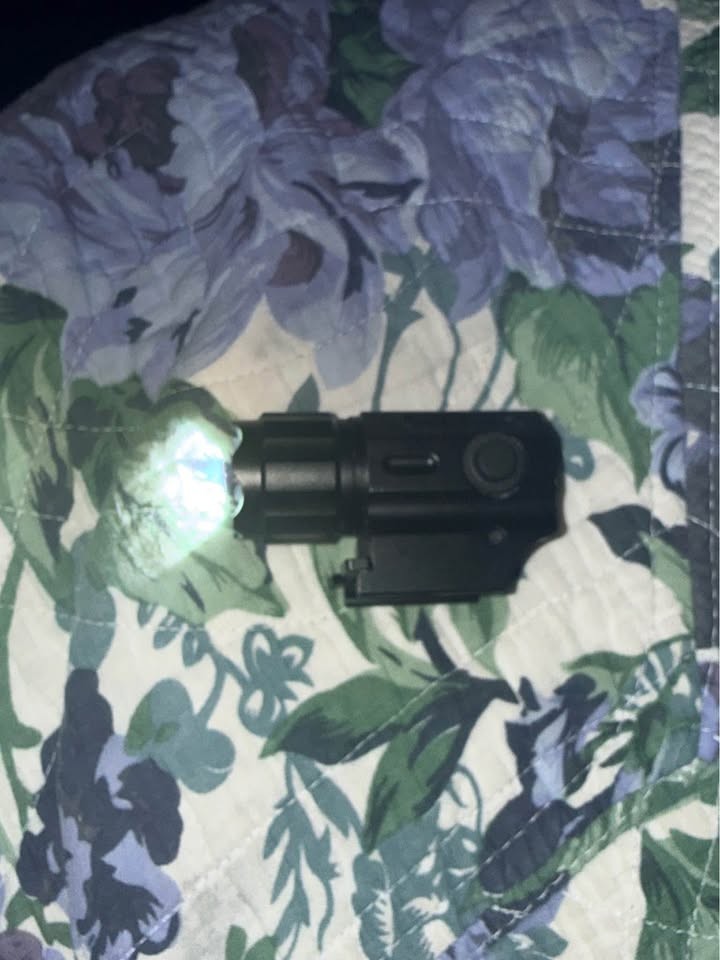
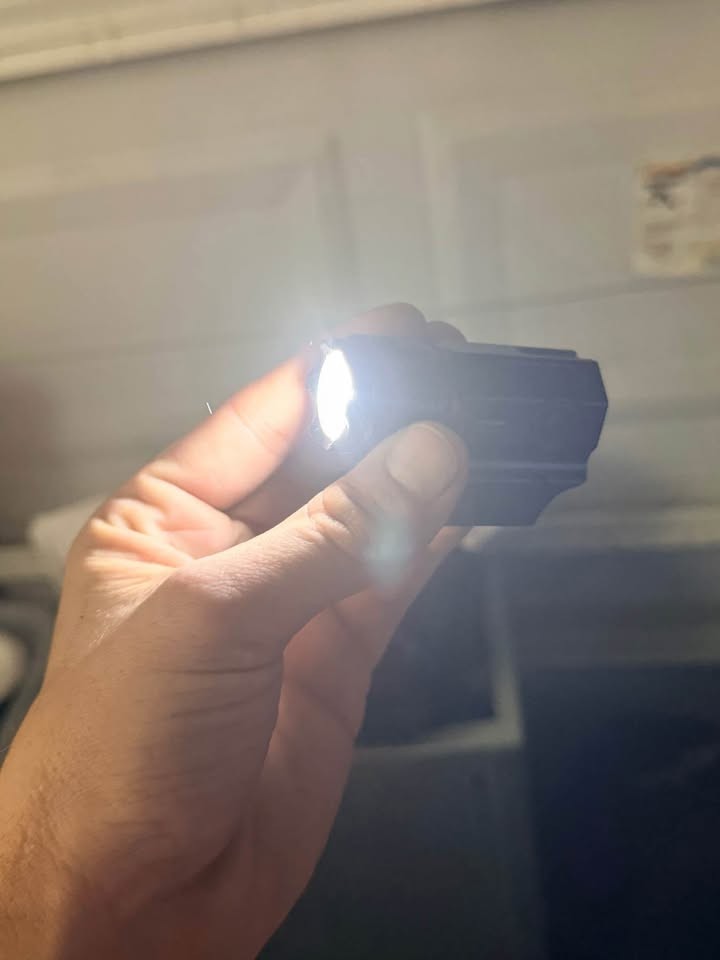
Health Canada pulled the plug on the Gniby rechargeable green tactical flashlight, a device that doubles as a powerful green laser pointer. Nearly 15,000 units were sold on Amazon.ca between January 2024 and November 2025. No injuries have been reported yet, but that’s hardly reassuring. After testing, Health Canada classified the device as a Class 3B laser a category known to pose serious risks of permanent eye damage even from brief accidental exposure.
And here’s where the problem becomes bigger than a single product.
The foreign seller behind the device Fujian-based XLJCA has reportedly been unresponsive to Health Canada’s attempts to initiate a voluntary recall. That means the device was sold widely across a major online platform, but the party responsible for manufacturing and distributing it cannot be compelled (or simply refuses) to act like a responsible corporate citizen.
This is the reality of our globalized online marketplace:
Products flow freely across borders, but accountability does not.
Amazon removed the listing, but that’s reactive, not preventative. It took Health Canada’s testing and intervention for the product to be flagged as dangerous, even though Canada explicitly prohibits Class 3B and Class 4 handheld lasers from being manufactured, advertised, or sold.
It raises a simple but uncomfortable question:
How many other dangerous products are we missing?
We Can’t Keep Playing Whack-a-Mole with Safety
This recall makes it clear that Canada’s current system is still too dependent on:
- Consumer complaints
- After-the-fact government testing
- Hope that foreign sellers will cooperate
None of this is a sustainable or safe strategy.
We’ve reached a point where regulators need stronger tools especially for products sold through massive online marketplaces. When a seller refuses to cooperate, Canadians shouldn’t be left vulnerable. Enforcement must be swift, and the platforms enabling these sales should share responsibility.
The average person buying a flashlight or pointer shouldn’t need to know the difference between Class 2 and Class 3B lasers. They shouldn’t have to decipher obscure ASIN numbers or guess whether a product might blind someone.
That’s the job of regulators and sellers. And in this case, both were too slow.
This recall isn’t just a warning about one unsafe laser pointer. It’s a reminder that Canada’s consumer safety system is still struggling to keep up with the sheer scale and speed of online retail.
If Health Canada is serious about protecting consumers, it must take stronger, more proactive action before dangerous products end up in nearly 15,000 homes.
Because when a product can cause permanent eye damage in a split second, “wait and see” simply isn’t good enough.

