
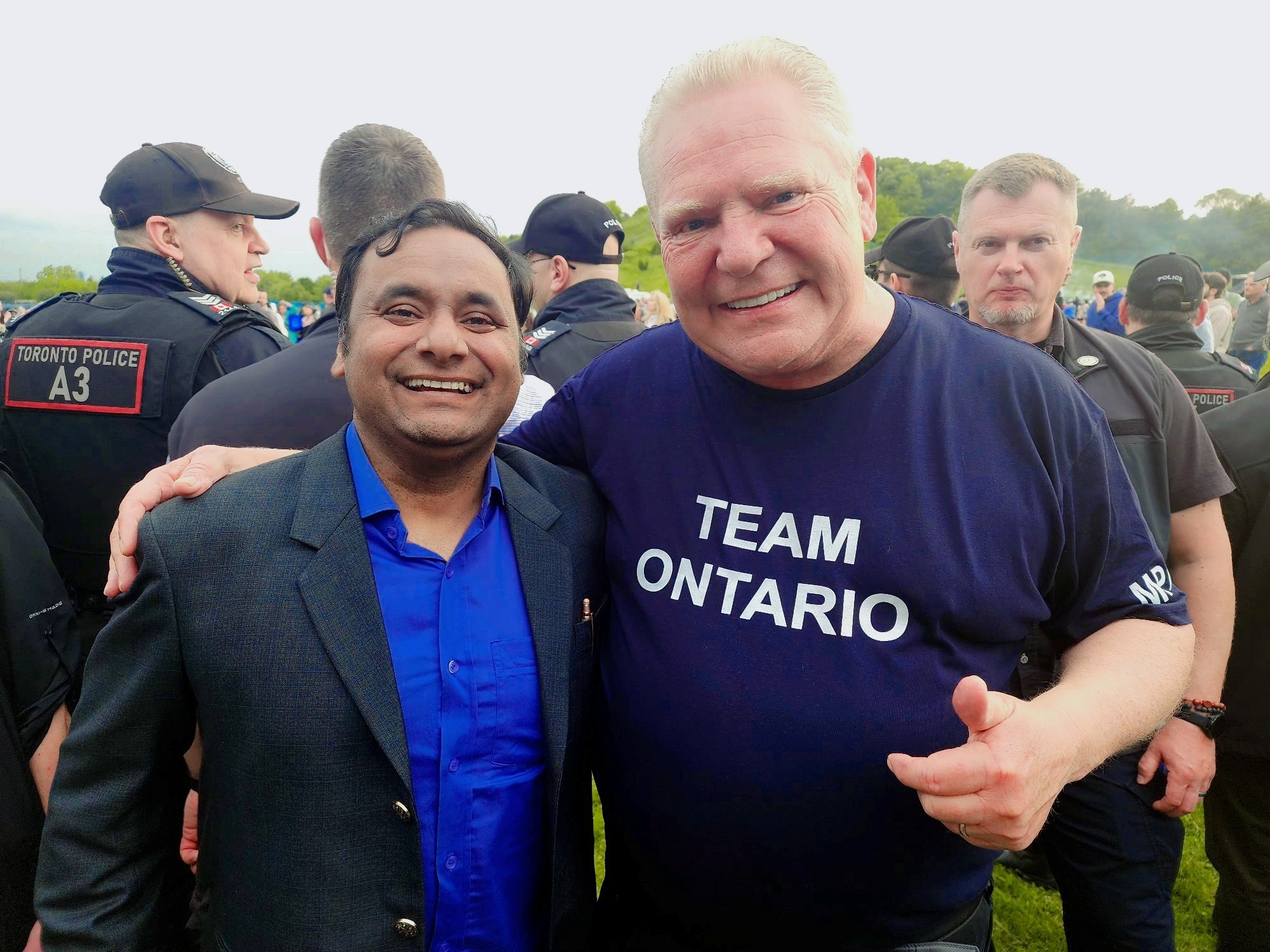
Doug Ford’s recently passed Bill 5 feels less like a policy for responsible economic growth and more like a power grab — a way to cut through the “red tape” by simply disregarding it altogether.
From a business perspective, I get it. Ontario has resources, opportunities, and a Premier who’s eager to move forward quickly. There’s a rich deposit of chromite, cobalt, copper, nickel, and platinum sitting under the Ring of Fire — resources that many say are key to securing the future of electric vehicle manufacturing and strengthening the province’s mining industry. There are promises of jobs, prosperity, and a boost to the provincial coffers.
But we shouldn’t ignore the cost of this rush. Bill 5 lets the government exempt companies from complying with a vast range of laws — from endangered species protections to heritage safeguards — all in the name of “efficiency.” It hands extraordinary power to the Premier’s cabinet and removes key checks and balances that previously kept development from steamrolling over the environment, treaty rights, and community consent.
For many First Nations, this is a violation of their treaty and land rights. It disregards the principle of Free, Prior, and Informed Consent — a standard recognized by the United Nations — and cuts them out of decisions about their own lands and resources. The Chiefs of Ontario have called the legislation a direct attack on their ability to safeguard their future, noting it paves the way for decisions to be made without their consent and without proper consideration of the effects on their health, culture, and way of life.
Environmental advocates have raised alarm bells about the weakening of species-at-risk protections. The previous Endangered Species Act was designed to be a rigorous, science-based framework for conserving habitats and wildlife. Replacing it with a policy that lets the government “decide” which species need protecting — ignoring independent scientific recommendations — sets a dangerous precedent. It signals a dramatic shift in priorities: profits over preservation.
Supporters say the government will use these powers judiciously and promises to consult with First Nations and stakeholders. But promises made under a framework that weakens oversight and removes legal safeguards aren’t worth much. The very mechanisms meant to keep decisions fair and accountable are gone.
Ultimately, this comes down to a question of values. Are we willing to undermine legal safeguards, ignore Indigenous consent, and diminish environmental oversight all in the name of economic development?
For me, the answer should be a resounding no. Sustainable progress — progress that benefits everyone and safeguards future generations — can’t come from bulldozing the safeguards that protect us all.

