
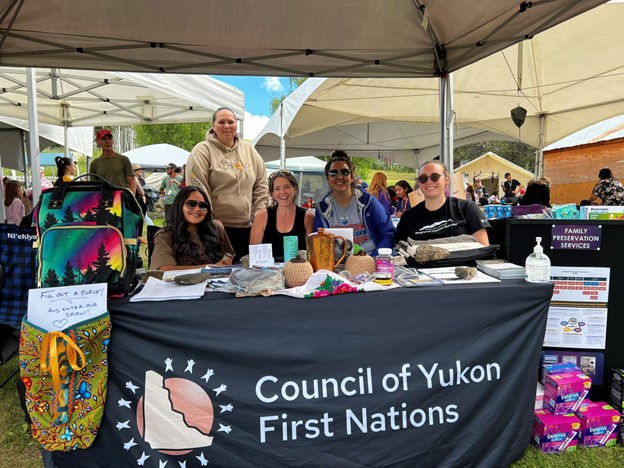
The Indigenous peoples of Canada, commonly referred to as First Nations, Inuit, and Métis, are the original inhabitants of Canada.
From the pre-colonial era to the present, their lives and social systems have been carriers of a rich history and culture. Their habitats are spread across various parts of the country, such as the snowy lands of the Arctic, the mountains of the West, the central prairies, and the forests of the East. These diverse geographical locations have influenced various aspects of their society.
The lives of the Indigenous people were closely tied to natural resources. Hunting, fishing, and gathering fruits were the mainstays of their economic activities. Moreover, to adapt to their lifestyle, they used structures like igloos in winter and long houses or bark houses in summer. Although many changes have occurred over time! These structures were not only dwellings but also the center of their social, cultural, and spiritual lives.
The social system of Indigenous peoples in Canada was very colorful and autonomous. Their societies were both matriarchal and patriarchal! Where social, political, and economic responsibilities were shared. Indigenous leaders were usually selected from among the elderly and wise, who provided not only political leadership but also spiritual guidance.
Indigenous cultures are rich in language, art, dance, and music. Their oral traditions, passed down through generations, reflect the core values and beliefs of their societies. However, colonial rule and the pressures of modernization have had a profound impact on their cultural heritage. Many Indigenous communities continue to struggle to protect their lands, cultures, and rights.
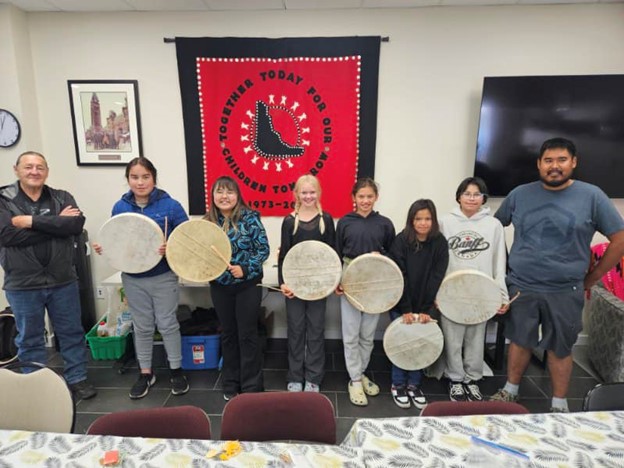
This introduction offers a brief glimpse into the lives of Indigenous peoples in Canada, providing insights into their history, social systems, and cultural characteristics. Their stories of struggle and achievement inspire us and help us understand the importance of building a just and inclusive society.
Since the arrival of settlers in Canada, Indigenous people have faced systematic efforts to undermine their education, culture, and way of life. In 1879, the residential school system was established and continued until 1986. This system was designed to eradicate Indigenous cultural identity. As a result, Indigenous communities experienced significant social disruption. Catholic and Protestant clergy forcibly removed Indigenous children from their families and sent them to residential schools, where they suffered horrific physical, psychological, and sexual abuse. Many children fled these schools, while others died under mysterious circumstances. Their families still do not know the fate of many of these children. The harsh discipline and inhumane treatment inflicted by teachers caused immense suffering.
Just a short while ago, numerous unmarked graves were discovered around the boarding schools of Manitoba! This is as true as the sun, but it feels like a nightmare to everyone! To know the true facts about what else happened within the confines of residential schools, which led to the severe mental trauma of Indigenous children, the ‘Truth and Reconciliation Commission’ was formed at the demand of time!
According to a 2021 Statistics Canada survey, 1.8 million Indigenous people make up a part of the total population of this country! Which is almost 5% of the national population, who have been mentally tortured and neglected at various levels since the beginning of the colonizers’ era!
The history of Indigenous peoples in Canada is often marked by colonization, oppression, and marginalization. The social, economic, and cultural challenges arising from this historical context continue to affect the lives of Indigenous communities.
To address this ongoing injustice, the concept of truth-telling and reconciliation has emerged, which is considered a necessary process to address historical wrongs, heal, and build a better future for everyone in the country!
The Truth and Reconciliation Commission’s report, based on data from the Canadian Federal Government, shows that over 150,000 students attended residential schools!
Indigenous people have repeatedly demanded, requested, and protested to the government for the truth to be revealed about the injustices and atrocities committed against children in residential schools! They have appealed to the country’s judiciary!
In response, the ‘Truth and Reconciliation Commission (TRC)’ was formed in 2008.
The processes of truth-telling and reconciliation are aimed at helping Indigenous peoples confront, address, and understand the historical injustices they have faced. These processes often involve formal acknowledgement of the truth of past abuses, formal apologies, and specific measures for institutional change. Indigenous peoples have waited many years to hear a formal apology from the government!
The primary role of the TRC was to document the experiences of survivors of residential schools, educate the public about the harmful effects of residential schools, and make recommendations for reconciliation.
We all know that truth-telling is a very important and necessary process for reconciliation.
First, it creates a platform for the victims of history where they can share their experiences. This recognition is crucial to the healing process because it helps us understand the suffering that Indigenous communities have endured!
Secondly, it helps to inform the public about the reality of historical injustices.
And we become aware of the extent of the damage caused by residential schools. The process of uncovering the truth helps to understand one’s own position in order to gain a broader understanding of the historical and contemporary challenges faced by Indigenous peoples!
The Truth and Reconciliation Commission (TRC) confronted the survivors of boarding schools and their families who had lived or were still living through that dark chapter, to learn the truth.
Author Anne Spice has written a heartbreaking true story about the painful past of residential schools!
In her book “Canadian Geographic Indigenous People Atlas of Canada”, she writes:
“And I am never going to know what actually happened •••••••What it caused in my family was silence.
Lee Spice, testimony to the Truth and Reconciliation Commission.
The daughter of another victim wrote:
“We heard nothing about his schooling. Nothing throughout his whole life. We watched our father be destroyed from the inside out.”
Thousands of such painful experiences have been documented in the pages of the TRC, which are truly chilling!
“The reconciliation process that begins after the truth is revealed is never completed overnight.”
“Reconciliation is not merely about acknowledging past wrongs; it requires taking steps to build a more equitable future by addressing the injustices inflicted upon Indigenous peoples.”
“In the context of Indigenous peoples’ lives, have we made all the efforts that the Truth and Reconciliation Commission (TRC) recommended for reconciliation efforts?” This question remains!
“Another crucial aspect is their culture; settlers tried to eradicate their culture and impose European culture! Many researchers believe that this process continues subtly even now! Reconciliation is crucial to support the revival and preservation of Indigenous languages, customs, and cultural practices and to strengthen the identity of communities.”
“The government needs policies that eliminate inequalities and provide Indigenous peoples with greater access to rights, land restitution, education, culture, and healthcare!”
Economic development and self-sufficiency initiatives within Indigenous communities will help address poverty and also improve their quality of life. These should also include the development of their livelihoods.
Above all, by including the history and perspectives of Indigenous peoples in educational curricula, mutual understanding and respect among all citizens must be encouraged so that rapid reconciliation between non-Indigenous and Indigenous peoples can be achieved.
The biggest challenge of Truth and Reconciliation is institutional inequality and bias. Changing these systems requires sustained political will and commitment from all levels of society.
Even if we have that commitment, due to the slow pace of implementation, it may take many years to see the benefits.
The report of Canada’s Truth and Reconciliation Commission was published in 2015.
Among the major recommendations of that extensive report are: reducing the number of Indigenous children in foster care and providing culturally appropriate services for child welfare, and prioritizing and developing Indigenous history in school curricula.
The preservation and revival of the languages and cultures of indigenous peoples is extremely important and has been recommended!
Long-term commitment from all sectors of society is necessary to continue the journey of truth-telling and reconciliation. Maintaining open and respectful dialogue between indigenous and non-indigenous peoples is essential for understanding and trust. The government and responsible institutions must hold relevant agencies accountable for implementing the recommendations of the truth and reconciliation commission.
By acknowledging past mistakes, taking specific actions, and moving forward through mutual understanding, we must move forward! However, only time will tell how long that journey will continue! We will wait for a brighter future!
Markham, Canada

