
Canada’s decision to slap a 100% tariff on China-made electric vehicles, along with a 25% duty on Chinese steel and aluminium, is more than just an economic move it’s a statement. Ottawa is signaling that it intends to defend its fledgling EV sector against what it sees as Beijing’s state-subsidized onslaught. But while the intent is clear, the implications are messy.
Prime Minister Justin Trudeau framed the tariffs as a way to “transform Canada’s automotive sector to be a global leader.” On paper, that sounds like smart industrial policy: shield domestic production, buy time for local players, and create jobs. Yet tariffs rarely operate in a vacuum. China, Canada’s second-largest trading partner, is unlikely to take this lying down. The Chinese Commerce Ministry has already accused Ottawa of violating World Trade Organization rules and “undermining the global economic system.” A retaliatory strike whether on Canadian agriculture, resources, or something else seems almost inevitable.
This isn’t happening in isolation. The U.S. and European Union have already moved to curb Chinese EV imports, worried about the flood of inexpensive, government-backed Chinese models reshaping the market. Canada joining the club makes strategic sense if the goal is to keep supply chains aligned with Western allies. But it also ties Canada’s trade policy more tightly to geopolitics, reducing room to maneuver if tensions escalate.
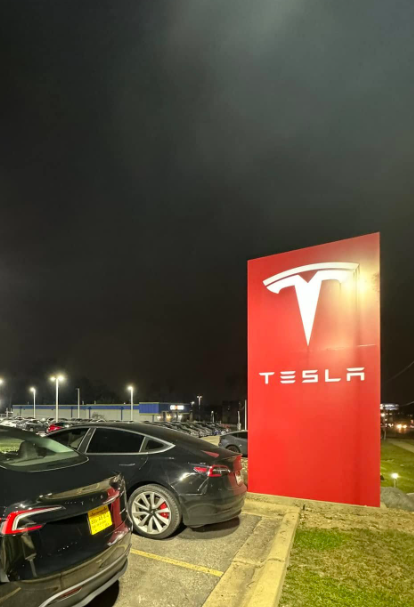
Tesla’s predicament underscores the complexity. The Canadian tariffs will cover Teslas made in Shanghai, a key production hub. If lobbying fails, Tesla may shift its Canadian supply to U.S. or European factories, which could cushion its own costs but do little for Canadian consumers. Buyers are the silent losers here: fewer options and higher prices are almost guaranteed, at least in the short term.
Canada has ambitions to be a global EV player, with billions in deals already inked with European carmakers. But nurturing that growth by punishing a major trade partner is a risky bet. Tariffs might provide breathing room for domestic manufacturers, yet they can just as easily spark a trade war and drive up costs across industries.
Ultimately, this move is as much about politics as economics. Canada wants to stand with its allies and send a message to China. Whether that message leads to stronger domestic industry or simply higher prices and frayed trade ties will depend on what happens next in Beijing and in Canadian factories.

