
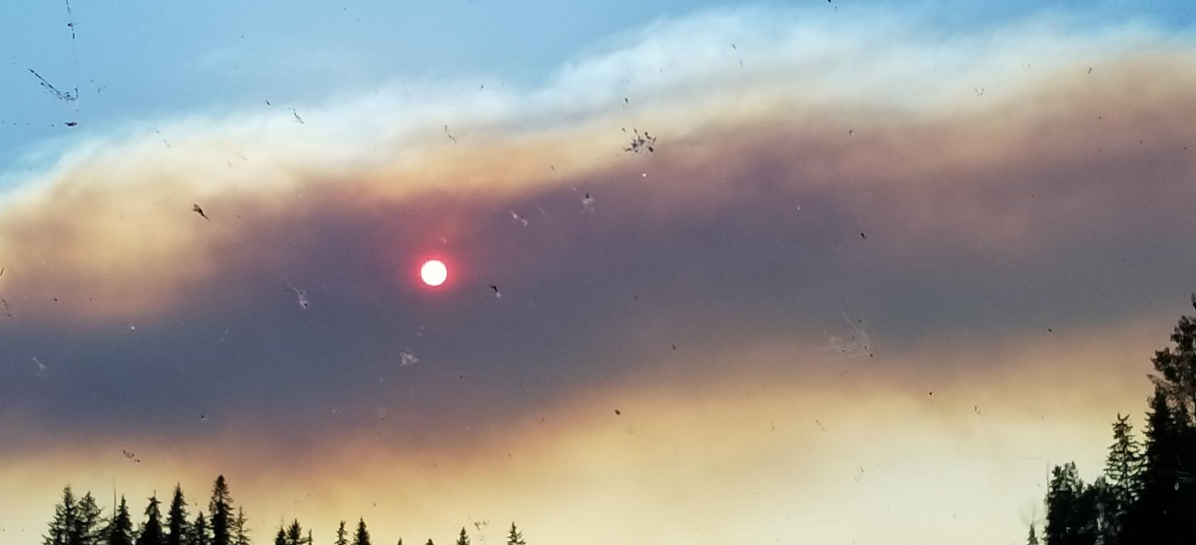
Last year’s wildfire season in Canada wasn’t just another alarming headline it was a flashing red warning light for the planet. The country’s forests released an estimated 2 billion tonnes of CO₂ in a single season, emissions we’d normally expect over an entire decade. Put differently, one season of burning trees nearly matched the annual fossil-fuel emissions of the entire United States. That’s staggering.
Wildfires are a natural part of many ecosystems, but the scale and intensity we’re seeing today are anything but natural. According to the State of Wildfires report, human-driven climate change made Canada’s 2023 infernos at least three times more likely. The same pattern shows up elsewhere: fires in Brazil’s Amazonas region were 20 times more likely, and Greece’s devastating blaze was twice as likely because of rising global temperatures.
Yes, forests can eventually regrow and reabsorb carbon, but that’s cold comfort when the interval between megafires keeps shrinking. Vegetation simply doesn’t have time to recover before the next round of flames. What used to be a balanced cycle of burn and regrowth is tipping into a one-way carbon leak.
We can’t treat this as a local Canadian tragedy. Wildfire smoke doesn’t respect borders, and neither do greenhouse gases. In 2023, wildfires worldwide pumped 8.6 billion tonnes of CO₂ into the atmosphere far more than the United States emits from all human activities. The health toll is equally sobering: fine-particle pollution from smoke lingers in lungs and arteries for decades, driving heart and respiratory disease long after the fires are out.
So what’s to be done? Cutting greenhouse gas emissions remains the only true firebreak. Without aggressive action to curb fossil fuels, we’re simply fanning the flames. But mitigation alone won’t save lives in the near term. Better land management controlled burns where appropriate, firebreaks, careful clearing of dry brush can reduce fuel loads. Early-warning systems, community evacuation plans, and widespread access to masks and clean-air shelters can blunt the human impact.
Still, these are stopgaps. The blunt truth is that unless we choke off the root cause our relentless release of heat-trapping gases fire seasons like Canada’s will move from “once in a lifetime” to “every generation,” and eventually, to “every year.”
Canada’s record-shattering wildfires should jolt us out of complacency. They’re not a distant problem for firefighters and forest rangers; they’re a planetary alarm bell. If we fail to act, the smoke we breathe tomorrow will be the consequence of our choices today.

