
Canada Post is deepening its financial wounds, reporting a staggering $205 million pre-tax loss in the first quarter of the year a figure that lays bare just how precarious the future of the country’s national mail service has become.
The Crown corporation’s troubles were compounded by a sharp drop in revenue, which slid $181 million, or 14.3 percent, compared to the same period last year. Total losses ballooned by $164 million year-over-year, underscoring a trajectory that has rattled both policymakers and postal workers alike.
Much of the blame, according to Canada Post, falls on the prolonged labour uncertainty that has shadowed the organization for more than two years. Without new collective agreements in place with the Canadian Union of Postal Workers, customers quietly began taking their business elsewhere a vote of no confidence that showed up painfully in the quarterly numbers.
That picture may be shifting. Postal workers began casting ballots on April 20 on a proposed five-year contract deal, with the vote expected to close this Saturday. A ratified agreement would mark the end of one of the most turbulent labour stretches in the corporation’s recent history.
Meanwhile, the federal government has stepped in with a financial lifeline. Ottawa approved up to $673 million in funding to keep mail flowing through the current fiscal year a move that follows Canada Post’s reported pre-tax loss of $1.57 billion for all of 2025. The injection buys time, but it does not erase the hard questions about what Canada Post should look like going forward.
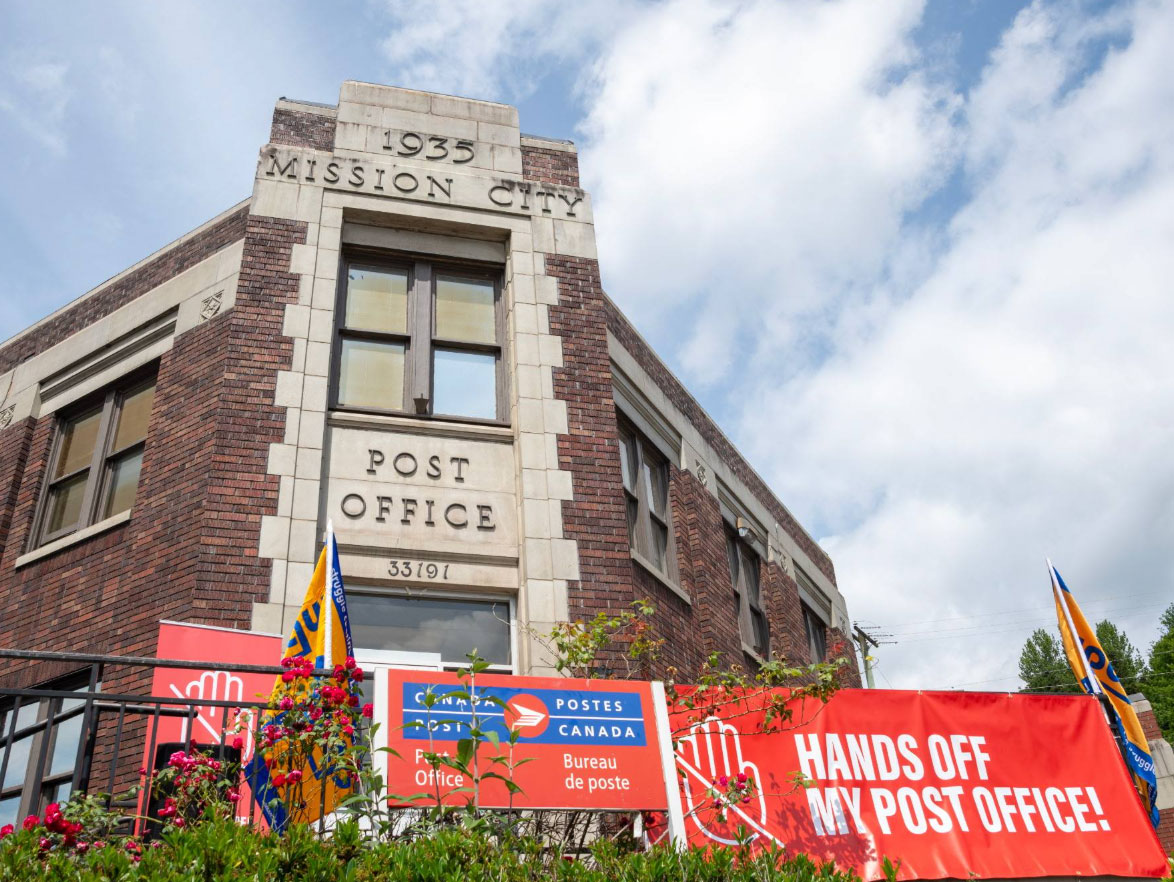
Transformation efforts are already underway. The corporation has quietly begun the groundwork to convert door-to-door mail delivery addresses to community mailboxes, and is moving to shutter some post offices as part of a broader restructuring push. Both measures are expected to generate pushback from residents in affected communities, even as management argues they are necessary steps toward a sustainable model.
For now, Canada Post remains caught between its obligations as a public institution and the brutal arithmetic of a business that has struggled to adapt as letter volumes collapse and digital alternatives dominate. The coming weeks and the outcome of the labour vote may determine how much breathing room it has left to find its footing.

