
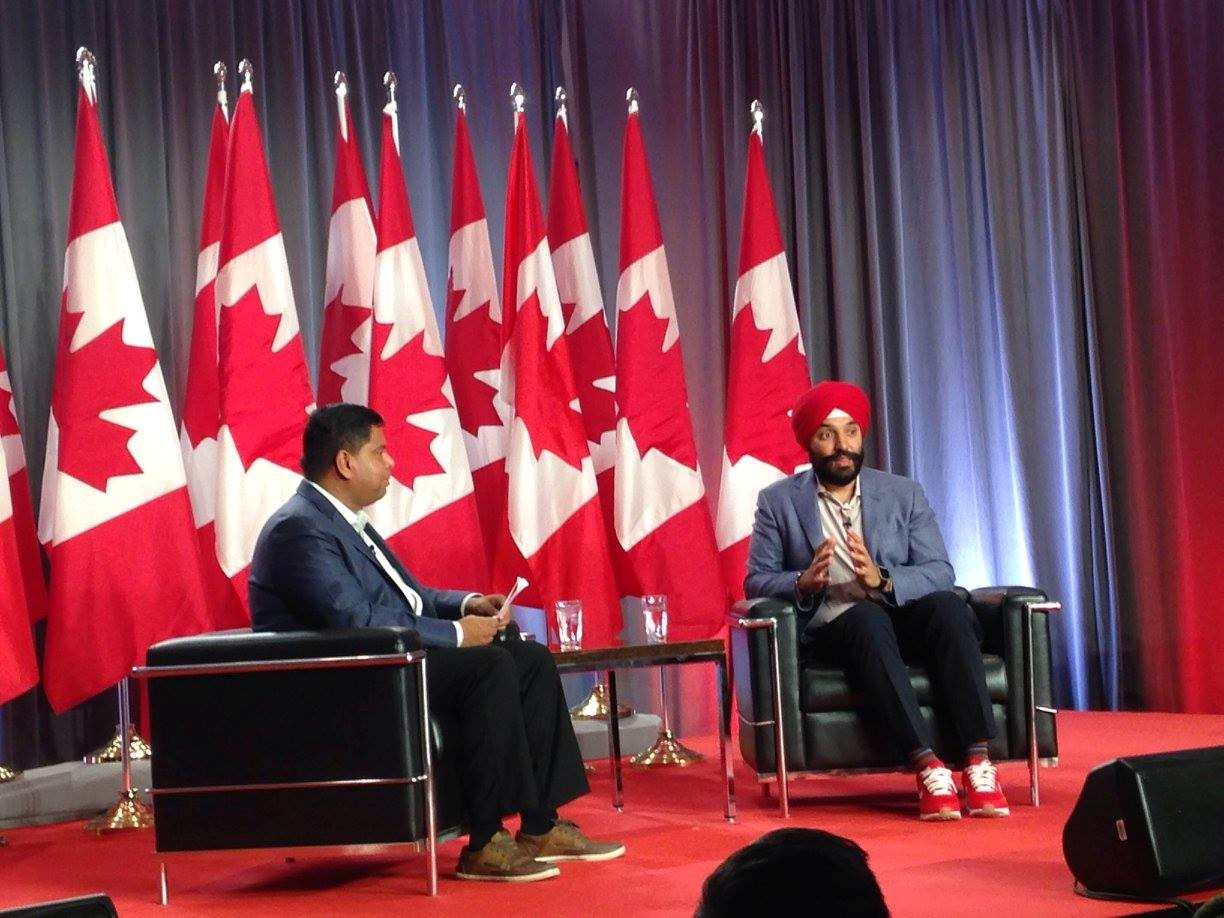
When Public Safety Minister Gary Anandasangaree welcomes his G7 counterparts to Ottawa, it’s more than another diplomatic gathering. It’s a reminder that the world’s most powerful democracies are grappling with a new era of security threats ones that no border wall, policy shift, or political rhetoric can keep out.
This two-day meeting of interior and security ministers comes at a pivotal moment. Transnational organized crime is becoming more sophisticated. Synthetic drugs continue to devastate communities across continents. Migrant smuggling networks exploit desperation with ruthless efficiency. And increasingly, authoritarian states are reaching across borders to intimidate diaspora communities through transnational repression.
The agenda, broad as it is, reflects an uncomfortable truth: the threats we face today don’t stay neatly contained within national boundaries. They move online, underground, and across oceans. They flourish when democracies work in isolation something we can no longer afford.
The ministers are expected to discuss strategies to counter extremist content and cybercrime, as well as the internet-enabled abuse of children. These are issues that require not just law enforcement attention, but political courage and social resolve. The digital world has become a battlefield where criminals adapt quicker than governments can regulate. If the G7 wants meaningful progress, it must push beyond statements of concern and commit to coordinated action, faster information-sharing, and a united front against tech platforms that continue to drag their feet on accountability.
Then there’s migration a topic that often sparks more heat than light. Magnus Brunner, the European commissioner for internal affairs and migration, was right to frame the discussions in terms of evolving challenges. Europe’s ongoing overhaul of its migration and asylum systems shows both how difficult the issue is and how urgently reforms are needed. But it also underscores a key point: migration is not a problem to be “solved” by one nation alone. It’s a global reality that demands compassion, coherence, and collaboration.
Canada, too, has a stake in these conversations. As a country that prides itself on openness and stability, we cannot ignore the growing networks of crime, coercion, and exploitation that stretch into our own communities. Anandasangaree’s willingness to host and lead these discussions signals Canada’s commitment to multilateral solutions something we need more of, not less.
The real question now is what comes after the meetings. Will Sunday’s news conference produce a list of recycled talking points, or will the G7 emerge with a renewed sense of collective purpose? The world is watching not because these ministers hold all the answers, but because they have the responsibility to at least ask the right questions and act on them.
In an era defined by interconnected crises, cooperation isn’t optional. It’s the only path forward.

