
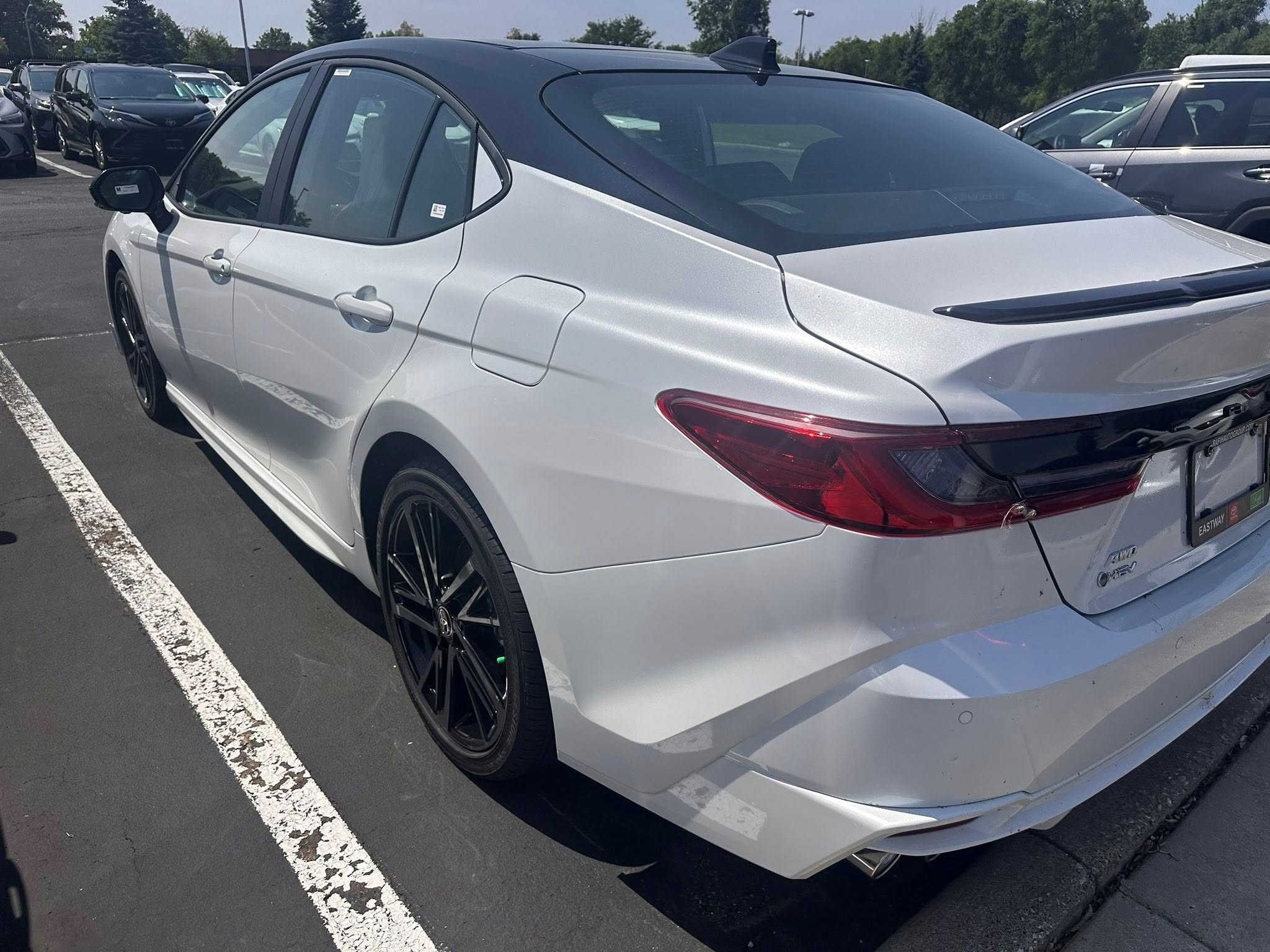
Toyota has long enjoyed a reputation for reliability a reputation many Canadians trust when spending tens of thousands of dollars on a vehicle. But with yet another significant recall announced this month, it’s becoming harder to ignore a concerning pattern emerging from the automaker.
Transport Canada’s Nov. 10 notice revealed that 13,164 newer Toyota and Lexus trucks and SUVs are being pulled back due to a potentially dangerous engine defect. These vehicles including 2023–2024 Toyota Tundras and Lexus LX models, as well as the 2024 Lexus GX all share one thing in common: a 3.4-litre twin-turbo engine that may contain leftover metal debris from the manufacturing process.
That’s not an optional inconvenience. That’s a serious oversight.
According to Toyota and Transport Canada, this debris can cause crankshaft bearings to fail, potentially leading to engine knocking, rough operation, or complete loss of power while driving. Anyone who has taken a highway on-ramp knows how catastrophic that sudden power loss could be.
It’s worth noting that this isn’t the first time Toyota has faced this exact problem. In fact, the company issued a nearly identical recall last summer affecting the 2022–2023 Tundra and 2022 Lexus LX. Back then, Toyota opted to replace entire engines as a safety precaution. This time, the company hasn’t confirmed whether they will take the same decisive approach.
And this new recall isn’t an isolated event far from it. Just this year, Toyota has issued multiple recalls affecting everything from seat malfunctions in the 2025 Sienna Hybrid to widespread software failures across more than a dozen models. Even earlier in the year, several 2023 Toyota vehicles were recalled for safety issues that increased the risk of a crash.
When a company known for its dependability starts issuing recall after recall, it naturally raises questions. Is Toyota rushing production? Has quality control slipped? Or is this simply the reality of modern, increasingly complex vehicles?
Whatever the cause, consumers deserve transparency and consistency. Toyota’s brand has been built on trust, and trust isn’t just about engineering; it’s about accountability.
Recalls happen, but this frequency and the repetition of similar issues should serve as a wake-up call. Toyota must not only fix the defects but address the underlying processes that allowed them to happen in the first place.
Until then, owners of affected vehicles will have to keep checking their mailboxes and recall lookup tools. And the rest of us will be left wondering whether Toyota’s gold-standard reliability is beginning to tarnish.

