
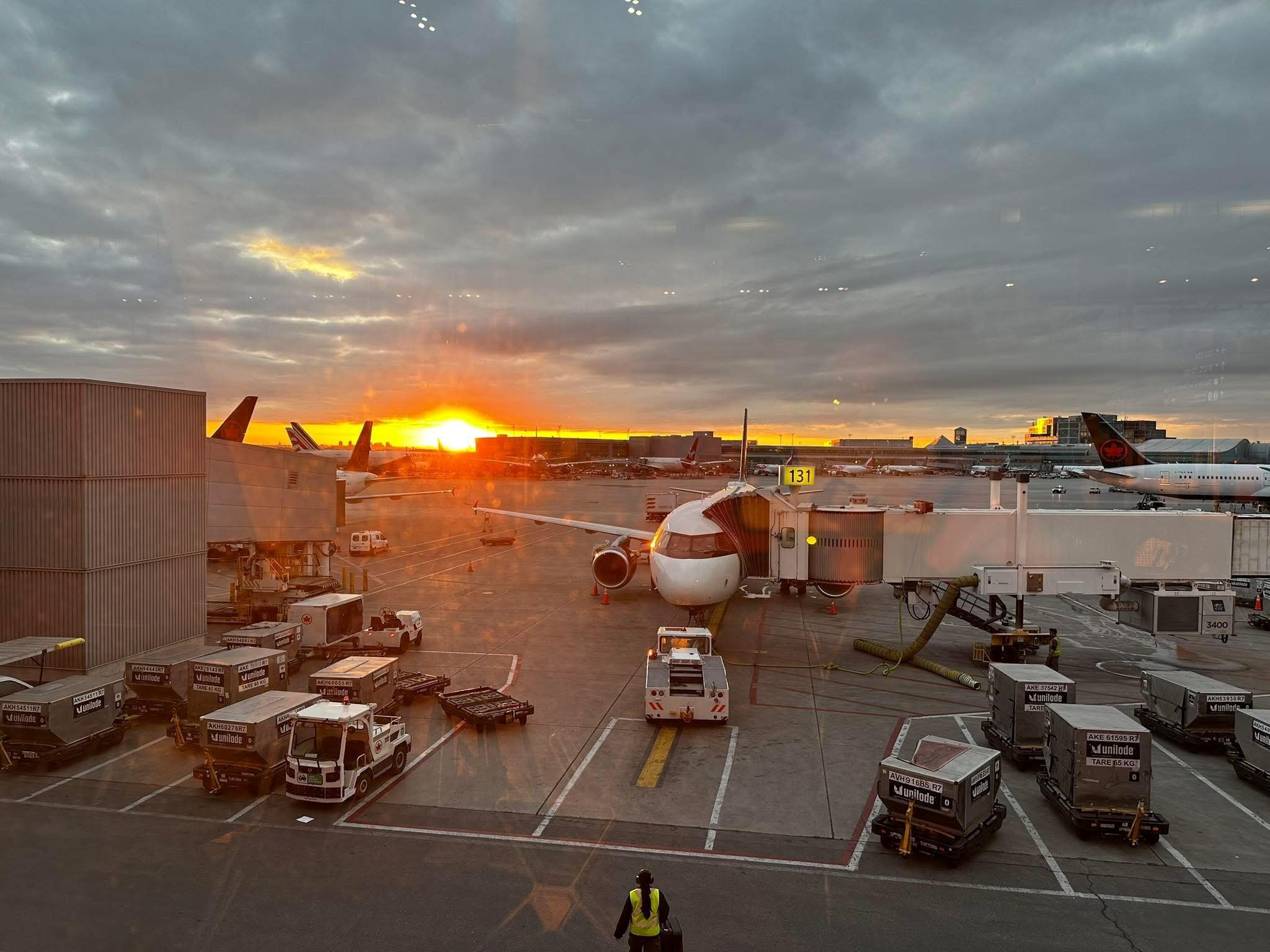
Air Canada’s announcement of a new “refund assistance” program in the wake of its flight attendants’ strike sounds promising on paper. The airline has pledged to cover transportation expenses for passengers who had their travel disrupted between August 15 and 23. At first glance, this seems like a much-needed olive branch. But when you look a little closer, it becomes clear that this is more of a damage-control measure than a genuine commitment to passenger rights.
The reality is that passengers stranded mid-journey or forced to buy last-minute tickets on other airlines are the ones who bore the brunt of the strike. Air Canada now says it will reimburse “reasonable fares” on other airlines or alternative transport like buses, ferries, or cars. That’s fair but only within five days of the original departure and only in the same or lower cabin class. For many travelers, especially those scrambling to attend events, family emergencies, or business meetings, this policy feels rigid and limited.
Air Passenger Rights founder Gabor Lukacs is right when he emphasizes that airlines already have a legal responsibility to care for passengers after flight cancellations. What Air Canada has introduced isn’t some extraordinary act of goodwill; it’s the bare minimum wrapped in the language of customer service. Labour action may indeed be out of the airline’s control, but that doesn’t absolve them from treating passengers with fairness and transparency.
What’s more troubling is how airlines, including Air Canada, preemptively cancel flights before strikes. This move, while logistically understandable, often leaves passengers confused and vulnerable. Under such circumstances, airlines have a greater duty: not just refunds, but food, accommodations, and compensation for the disruption. And let’s not forget, international travelers who incurred costs like missed hotel bookings or lost wages may still be entitled to damages. The “refund assistance form” doesn’t fully address those cases.
Air Canada’s operational restart is another sore spot. The airline admits it could take up to 10 days to return to normal service, with crews and planes “out of position” and grounded aircraft needing mandatory checks. While safety and logistics obviously come first, passengers who pay high fares and expect reliability are left carrying the cost of uncertainty. The fact that operations are only ramping back up to 70 percent as of Aug. 20 tells us just how fragile the system really is.
Yes, Air Canada’s refund program is a welcome gesture, but it feels more like patchwork than a real solution. If Canada’s largest airline truly wants to rebuild trust, it should stop hiding behind technicalities and embrace a customer-first mindset. Covering all reasonable out-of-pocket expenses without arbitrary limitations would be a good start. After all, passengers didn’t choose this disruption the airline and its labour disputes did.
In times like these, “doing the right thing” should mean more than meeting the lowest bar set by regulations. It should mean standing by your customers, not just when it’s convenient, but when it’s hardest.

