
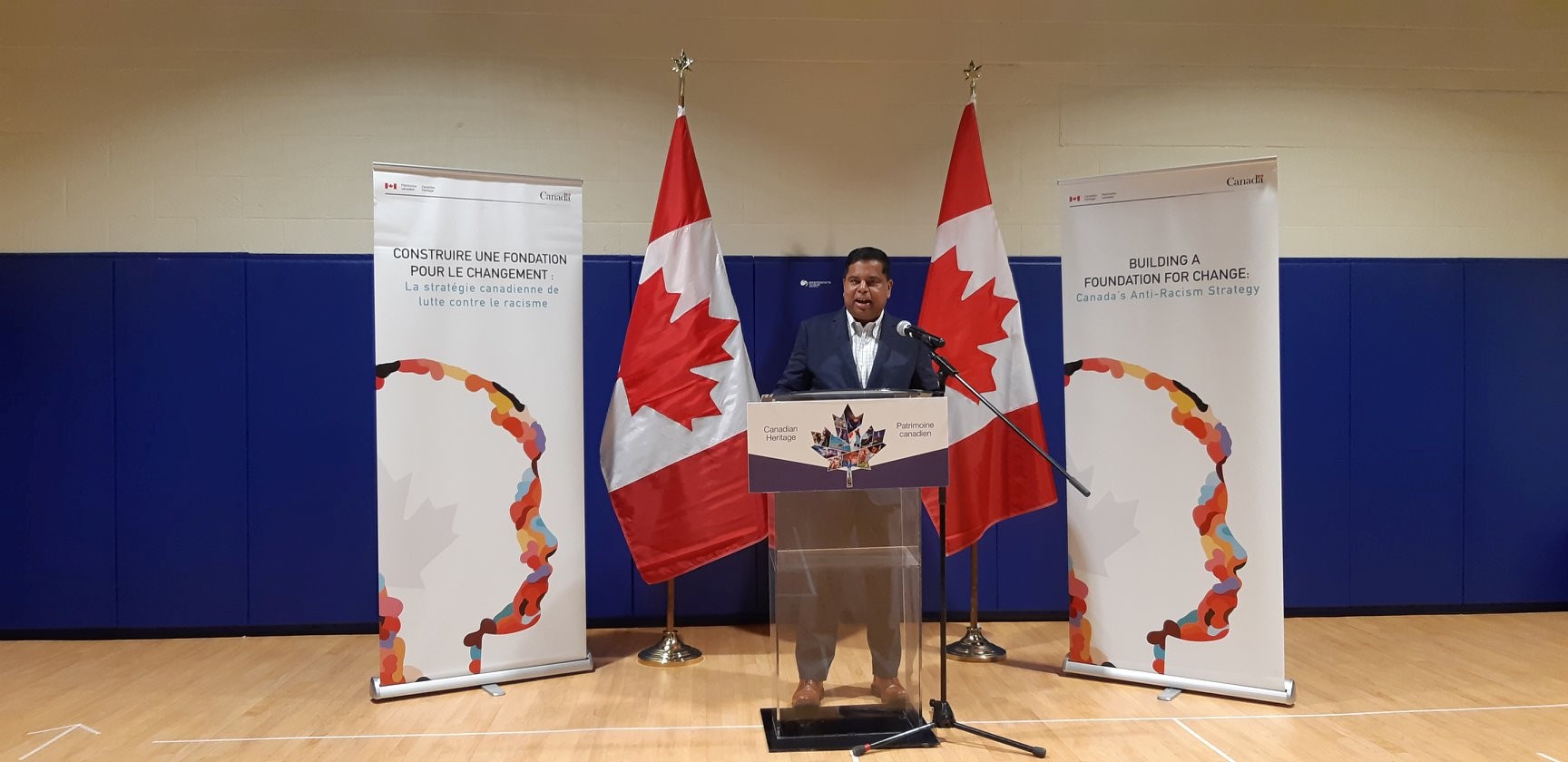
For more than a year, Canadians have been waiting for the government to make good on its promise to establish a foreign influence registry. Now, Public Safety Minister Gary Anandasangaree says the system will finally be up and running this fall, with a commissioner in place by Thanksgiving. While this is welcome news, it raises the obvious question: why has it taken so long?
Foreign interference in Canadian democracy is no longer a matter of speculation it’s a proven fact. The inquiry led by Justice Marie-Josée Hogue confirmed that attempts to meddle in our 2019 and 2021 federal elections did take place, even if they didn’t alter the final outcomes. Beijing, in particular, was singled out as the most persistent and sophisticated threat. With findings like these, it should not require years of debate and delay to implement a registry designed to protect our sovereignty.
The Foreign Influence Transparency and Accountability Act (FITAA), introduced through Bill C-70, provides the framework. The law will require anyone working on behalf of foreign governments to disclose their ties, with that information made public for all Canadians to see. This is not just about political campaigns it’s about defending diaspora communities that are too often the targets of transnational repression.
Human rights organizations have been sounding the alarm for months. They’ve documented how authoritarian states harass, monitor, and coerce people living in Canada sometimes threatening families back home. These are not abstract risks; they are real and happening now. In this context, the government’s repeated delays are troubling.
Yes, establishing such a registry is complex. But “complexity” cannot be an excuse for inaction when Canada’s sovereignty and citizens’ rights are at stake. Every day without this registry is another day when hostile actors can exploit our openness.
The Conservatives are right to push for urgency, and civil society groups are justified in their frustration. For Canada to stand tall as a democracy, we need more than lofty rhetoric about sovereignty we need mechanisms that enforce it.
If Anandasangaree delivers on his timeline, Canadians may finally see a concrete step toward accountability. But it should not have required so much external pressure to get here. Ottawa needs to learn the lesson: when it comes to foreign interference, delay is not just disappointing it is dangerous.

