
By reducing tolls and ferry fares across Atlantic Canada, Prime Minister Mark Carney has taken a bold and necessary step toward stitching the fabric of this country a little tighter. It’s not just about saving a few bucks on a bridge crossing it’s about breaking down barriers, both physical and economic, that have long kept regions like Prince Edward Island and Newfoundland at arm’s length from the rest of the country.
Starting August 1, the Confederation Bridge toll will drop from $50.25 to just $20 for a regular vehicle. That’s more than a discount it’s a message. For too long, Islanders have borne a disproportionate cost for staying connected to the mainland. Now, with that burden eased, the hope is that more Canadians will make the journey to explore the stunning natural beauty and rich culture of the Maritimes and that Islanders themselves will find travel more accessible.
This is no small gesture. About one million vehicles cross the bridge annually, and it has long been a lifeline between P.E.I. and New Brunswick. The savings may seem small to some, but for families, small businesses, and frequent travellers, this shift matters. It acknowledges a long-standing grievance and puts action behind the rhetoric of national unity.
The same applies to the ferry services. Marine Atlantic, which carries vital goods like medical supplies and heating fuel between Nova Scotia and Newfoundland, will now offer fares at half the cost for travellers and freeze freight rates. It’s a significant move that could inject $28 million into Newfoundland and Labrador’s economy and help ease the high cost of living a major issue in remote and island communities.
Let’s be clear: this isn’t just a regional policy. This is nation-building. At a time when Canadians are worried about the unpredictability of international trade especially with the U.S. focusing inward and reducing internal trade barriers is not only smart policy, it’s necessary. Whether it’s fruit shipped across provinces or tourists traveling for summer holidays, internal mobility strengthens our economy and our sense of shared identity.
Of course, there is a cost the government estimates around $100 million annually to the public purse. But the potential returns are far greater. More travel means more tourism. Lower transportation costs mean cheaper goods. Greater accessibility means stronger communities. These are investments in long-term prosperity and cohesion.
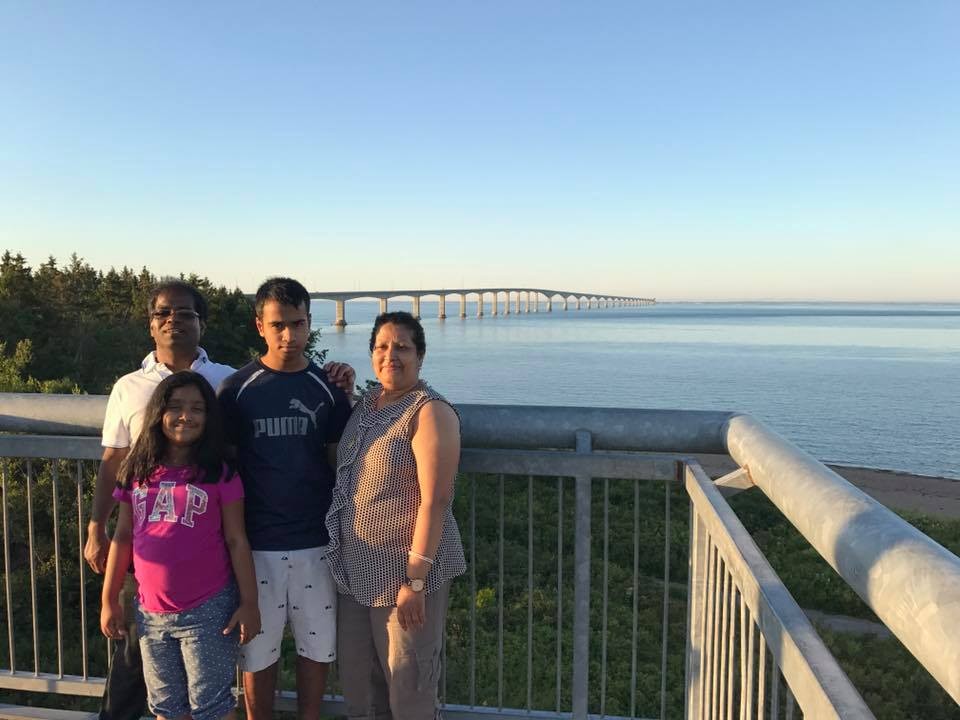
Carney’s announcement, made with the sweeping Confederation Bridge in the background, was rich in symbolism. And rightly so. The bridge, since its opening in 1997, has stood as a literal and figurative connection between P.E.I. and the rest of Canada. Reducing the toll now feels like the next chapter one that prioritizes connection over isolation, affordability over exclusion.
At a time when many are feeling uncertain and divided, these kinds of policies remind us that governments can still make decisions that bring us closer not just geographically, but as Canadians.
If the goal is to build a stronger, more united country, this is exactly how we do it. One toll booth, one ferry ride, one thoughtful policy at a time.

