
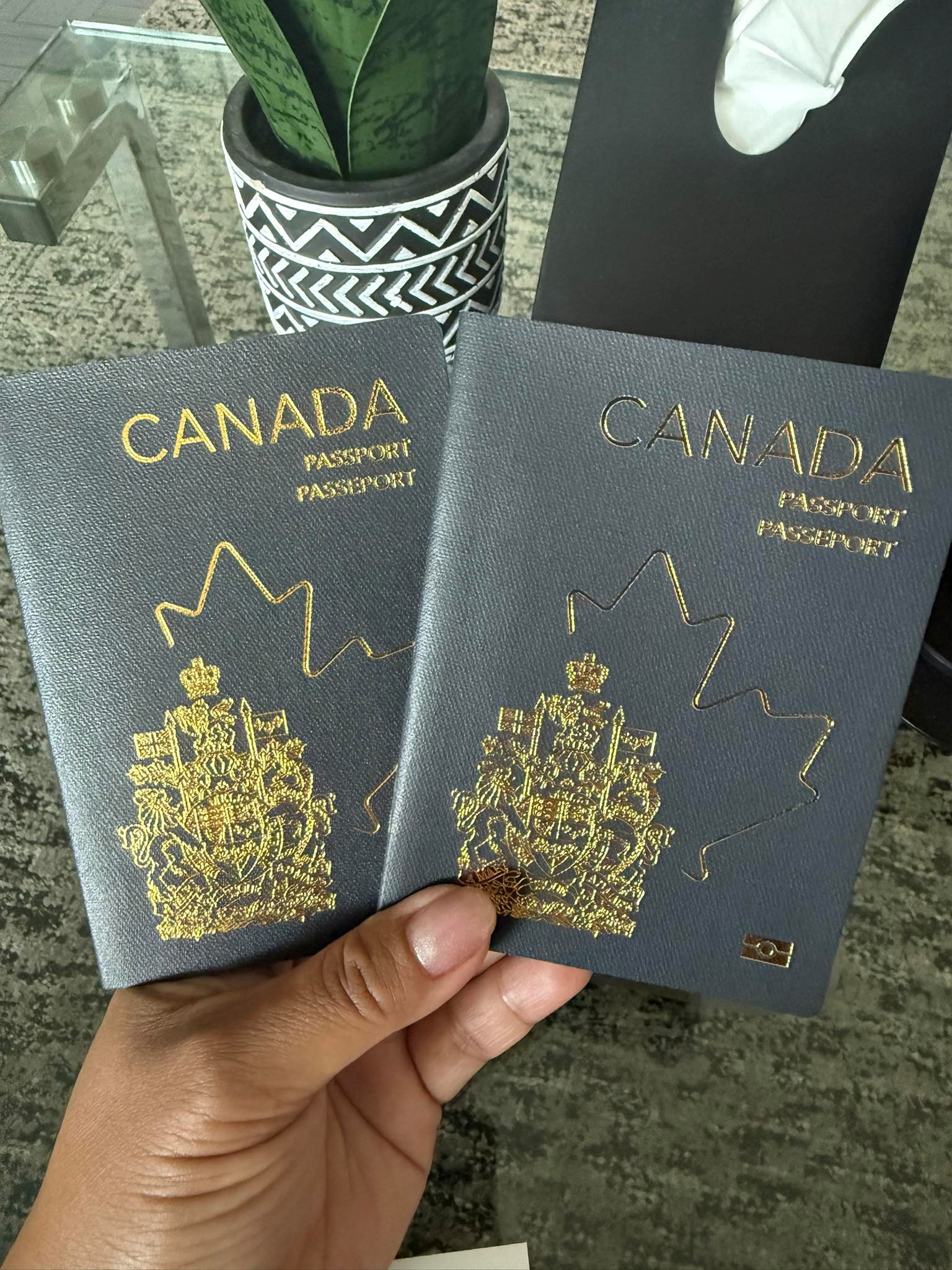
Once a symbol of elite global mobility, the Canadian passport is quietly slipping in rank, and few are talking about it. The latest Henley Passport Index shows Canada now tied for eighth place globally, down from seventh earlier this year, and shedding four points over the past decade. While 184 visa-free or visa-on-arrival destinations still sound impressive, the slide in passport power tells a deeper story about our evolving place in the world one that deserves closer scrutiny.
Canada shares its current ranking with Estonia and the United Arab Emirates, which are impressive performers, but it’s the downward trend that raises eyebrows. We’re no longer among the most dominant travel powers a club now led by Singapore, Japan, and South Korea, with European nations like Germany, France, and Spain hot on their heels.
The fact that Canada continues to outpace the United States in the index might feel like a small consolation prize. The U.S. once the king of global mobility now sits in 10th place, marking a historic low. But lumping ourselves in with the U.S. and UK as “legacy powers” losing ground only highlights the broader problem: complacency in a rapidly shifting world order.
According to Henley & Partners, while emerging nations are actively liberalizing their visa policies and seeking deeper global integration, traditional Western powers are tightening borders. Whether driven by politics, security concerns, or nationalism, the outcome is the same diminished access, shrinking influence, and lost opportunities.
The Asia-Pacific region is particularly telling. As airlines in the region report 9.5% growth in air travel nearly double the global average of 5.8% it’s clear that this part of the world is embracing mobility and global engagement in ways that Western nations are not. And the passport index reflects that momentum.
It’s not just about bragging rights. A powerful passport signals trust, openness, and diplomatic goodwill. It creates tangible benefits for citizens from smoother travel and fewer bureaucratic hurdles to expanded business and education opportunities. A weakening passport can also mirror a country’s diminishing soft power on the world stage.
Moreover, the demand for second citizenships is booming particularly among Americans and Brits signalling that even citizens of once-dominant nations are hedging their bets. Canadians are not immune to this trend. If the passport’s influence continues to wane, we may see more of our own citizens seeking alternative residency or citizenship options to maintain their global access.
Canada has long enjoyed a reputation as a globally respected, welcoming, and well-connected country. But reputation alone isn’t enough. We must actively nurture our relationships, update our visa policies in kind, and reassert ourselves diplomatically if we want to remain relevant in an increasingly borderless world.
This decline in passport power isn’t just a travel inconvenience it’s a wake-up call. It’s time Canada stops coasting on past prestige and starts recalibrating its global strategy for the future.

