
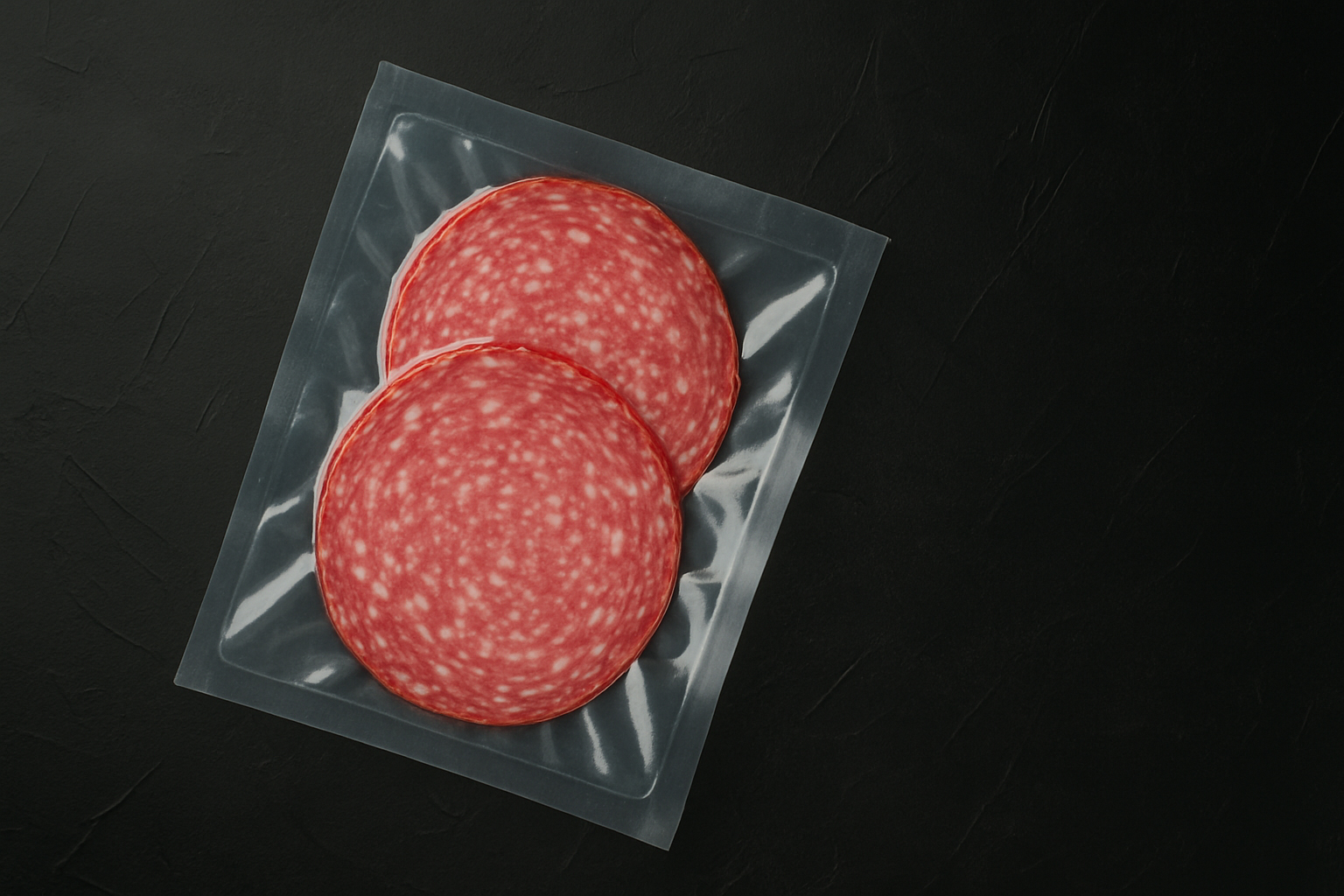
Many Canadians have likely heard about the growing recall of more than 65 salami and cacciatore products across the country due to possible Salmonella contamination. It’s a headline that feels far too familiar, and yet it never seems to lose its sting because this isn’t just about food getting pulled off shelves. It’s about trust, health, and the glaring need for tighter control and quicker transparency in our food systems.
Let’s be real: most of us wouldn’t think twice before grabbing sliced meats from our local deli or tossing a salami stick into our cart. It’s a staple in lunchboxes, charcuterie boards, and party platters. Now, that everyday indulgence has turned into a widespread health concern, with 87 confirmed cases of illness, nine hospitalizations, and possibly more on the horizon.
What’s most disturbing is that many of these recalled products were distributed not only through grocery chains but also in sandwiches, restaurants, cafés, and butcher shops. In other words, you may have consumed one of these contaminated items without ever knowing you did. As Health Canada rightly points out, food contaminated with Salmonella doesn’t look or smell spoiled. It’s the invisible threat that makes this situation so dangerous.
Among the brands affected are some well-known and locally trusted names: Bona, Cosmo’s Smoked Meats, Imperial Meats, Longos, Vince’s Cured Meats, and several more. It’s not just one rogue processor it’s an entire network of products tied together by systemic vulnerabilities in food handling and inspection.
The initial recall began mid-July with Rea brand Soppressata Salami Sweet, and has since widened to include a vast list of products across Alberta, B.C., Manitoba, Ontario, Quebec, and Saskatchewan. As the Canadian Food Inspection Agency (CFIA) continues its investigation, there’s every chance more products will be added to this list. That’s unsettling.
And while no deaths have been reported, thankfully this isn’t just about those who got sick. It’s about those who could get sick, especially the most vulnerable among us: children, seniors, pregnant women, and the immunocompromised. For them, what might be a few days of discomfort for others could lead to something far more serious.
But here’s the hard truth: this situation should not surprise us. We’ve seen it with lettuce, with chicken, with dairy. Food safety recalls are becoming far too frequent, and they’re often reactive rather than preventive. We need to ask how are these bacteria slipping through the cracks? Why aren’t inspection systems catching contamination sooner? And why does it take dozens of people falling ill before action is taken?
It’s not enough to rely on consumers to throw out potentially dangerous food once it’s already in their homes. The entire supply chain from farm to fork must be held to a higher standard. Transparency, timely alerts, and consistent food safety protocols must become non-negotiable.
This isn’t fearmongering it’s accountability. Because in a nation as developed as Canada, no one should get sick from eating a sandwich.
So the next time you’re in a deli or preparing a meat platter, pause and think not just about flavour but about where that food came from, how it was handled, and whether our food systems are doing enough to protect you. After all, safety should never be the side dish. It should be the main course.

