
Canada’s latest inflation numbers might look encouraging at first glance 1.7 percent in July, down from 1.9 percent in June. But when you peel back the layers, it’s clear that this decline is not the relief story many Canadians are hoping for. The truth is, the slowdown is being driven almost entirely by cheaper gasoline, while essentials like food and housing continue to climb at a worrisome pace.
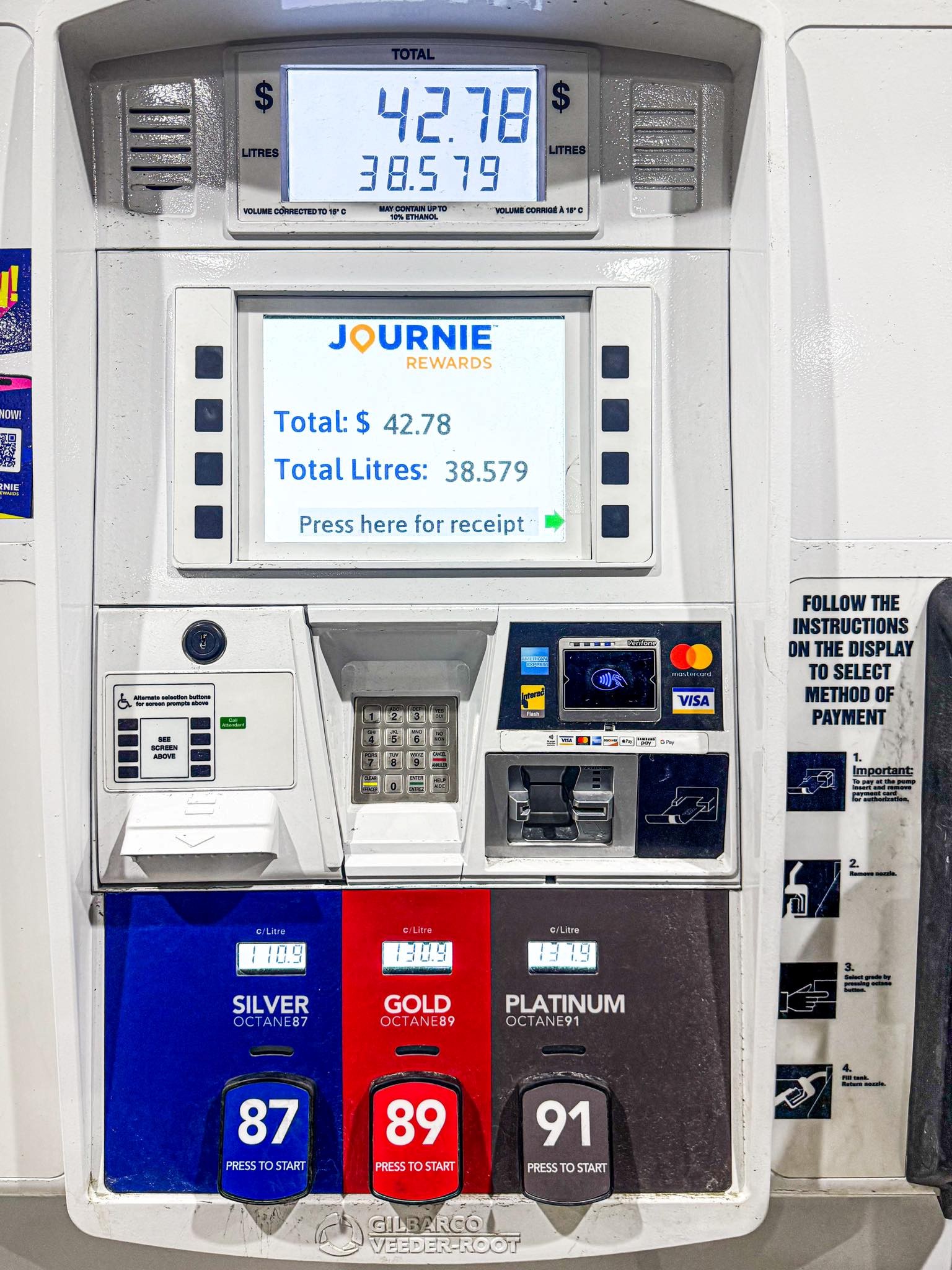
Let’s be honest: lower gas prices are welcome, especially for commuters and businesses that depend on transportation. The ceasefire between Israel and Iran, increased oil output from producing nations, and Ottawa’s scrapping of the consumer portion of the carbon tax all helped bring fuel costs down by a whopping 16.1 percent compared to last year. That’s a significant dip, and it certainly gave the Consumer Price Index (CPI) a much-needed pull downward.
But here’s the catch strip out gas, and inflation isn’t cooling at all. In fact, the CPI excluding fuel rose 2.5 percent in July, nearly unchanged from previous months. That means the daily costs that actually hit Canadians hardest food and shelter are still rising, and in some categories, rising painfully fast.
Take food, for example. Prices jumped 3.3 percent in July, up from 2.9 percent in June. Coffee alone surged by nearly 29 percent and candy by almost 12 percent, thanks to poor harvests in cocoa and coffee-growing regions. Fresh fruit saw a spike as well, with grapes soaring nearly 30 percent. For families already struggling to stretch their grocery budgets, this is not just a statistic it’s a stress point. Over the past five years, the cost of food in Canada has skyrocketed by more than 27 percent. That’s the kind of sustained pressure that no dip in gas prices can offset.
Housing is another sore spot. Shelter costs rose three percent in July, with rents climbing over five percent and mortgage interest costs still nearly five percent higher than a year ago. Anyone renting or renewing a mortgage can tell you firsthand that these increases sting more than the savings they’re seeing at the pump.
The Bank of Canada insists inflation is hovering near the top of its target range, with its preferred core measures (CPI-trim and CPI-median) sitting around three percent. Governor Tiff Macklem has left the door open for interest rate cuts, pointing to signs of a weaker economy but also to Canada’s “resilience” in the face of U.S. tariffs. That’s reassuring on paper, but for the average Canadian, “resilience” doesn’t pay the grocery bill or cover a rent hike.
So, yes, it’s technically true that inflation is slowing. But the reality is more complicated. The relief is shallow, narrow, and largely dependent on one volatile category: gas. Meanwhile, the essentials that make up the backbone of Canadian household spending food and shelter remain stubbornly expensive.
Canadians don’t need an economy that looks stable on paper. They need an economy that feels stable in their wallets. Until food prices stop climbing at breakneck speed and shelter costs level off, the celebration over falling inflation will remain hollow.

