
As Canada grapples with sweltering heat and thick wildfire smoke for yet another summer, the country finds itself caught in a pattern that’s no longer just seasonal—it’s existential. On July 14 alone, Environment Canada issued 90 heat advisories across Ontario, Quebec, Nova Scotia, and Newfoundland and Labrador, alongside hundreds of air quality warnings spanning seven provinces and territories. It’s a chilling reminder that climate extremes are no longer a future threat—they’re today’s lived reality.
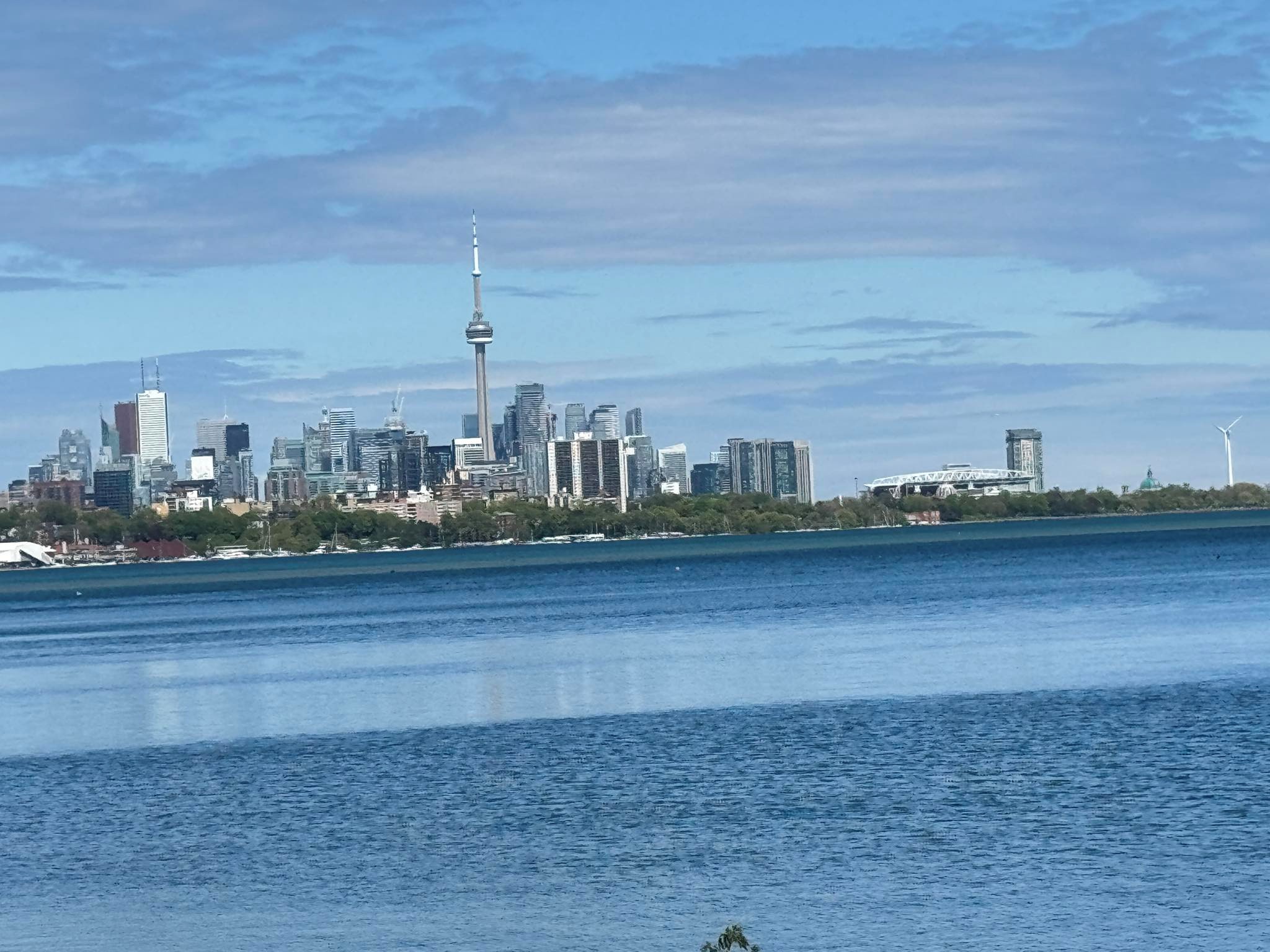
From Toronto’s concrete corridors to the forest-lined roads of Yukon, smoke from wildfires is blanketing communities, forcing residents indoors, disrupting daily life, and endangering vulnerable populations. What used to be rare “bad air days” are now disturbingly frequent. Toronto, Ottawa, Montreal—Canada’s biggest cities—are choking under heat indexes as high as 40°C, all while wildfire smoke from the northern provinces settles in like a toxic fog.
This isn’t just a weather story anymore. It’s a health crisis, an economic burden, and a political failure wrapped into one hazy, suffocating mess.
The numbers speak volumes: over 5.3 million hectares burned so far in 2025. That’s already more than double the 10-year average, and we’re only midway through summer. Last year’s record-breaking fire season saw 18.4 million hectares go up in flames. If this trend holds, 2023 will look like a warning we chose to ignore.
But what’s truly infuriating isn’t just the smoke in our lungs—it’s the silence in our leadership. Where is the bold federal strategy to curb emissions, build climate-resilient infrastructure, and support provinces battling these relentless blazes? Instead, we’re getting generic advisories to “stay indoors” and reschedule outdoor events—advice that rings hollow for outdoor workers, the homeless, and vulnerable seniors trapped in non-air-conditioned housing.
Meanwhile, two U.S. Congressmen have gone so far as to write a formal letter to Ottawa, asking Canada to “do more” to stop wildfire smoke from crossing into the United States. While their message may be politically motivated, it highlights an undeniable truth: our wildfire crisis isn’t staying in our borders. It’s everyone’s problem now.
It’s time to stop treating these events as isolated weather anomalies. This is a pattern. This is climate breakdown. And unless we treat it like the national emergency it is, next year’s headlines will look tragically familiar—except the numbers will be worse, the air will be thicker, and our tolerance for it all thinner.
Until we stop accepting smoke and heat as the new normal, we’ll continue to suffer the consequences—worsening health outcomes, higher emergency costs, and a fading quality of life for millions. The solution isn’t a mystery. It lies in proactive investment, bold climate action, and a public conversation that reflects the urgency of this moment.
Because when the air we breathe becomes a danger, silence becomes complicity.

