
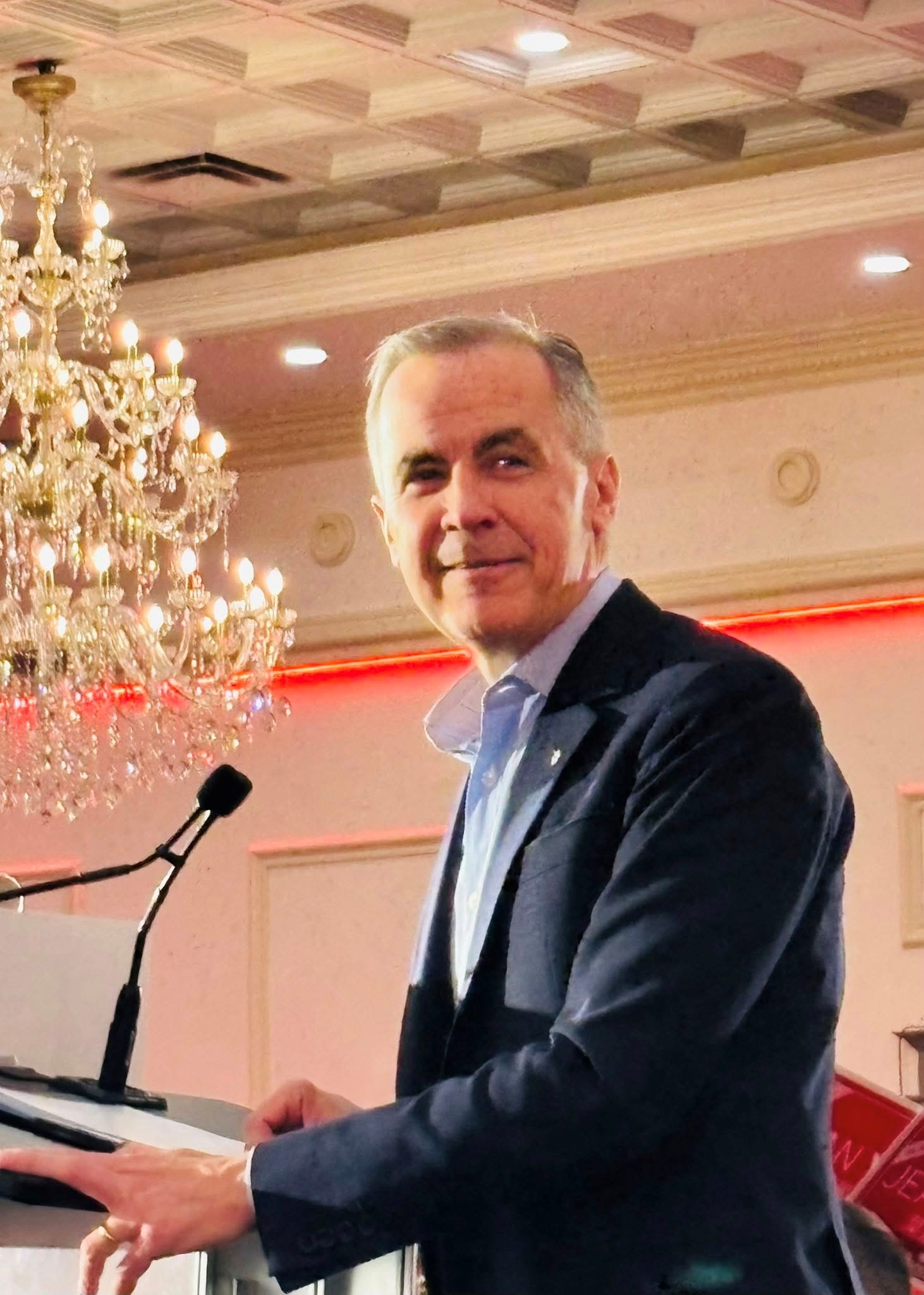
When Prime Minister Mark Carney arrives in Brussels on June 23 for the Canada-EU summit, he won’t just be shaking hands and posing for diplomatic photos—he’ll be helping redraw the strategic map of the Western world. According to European Union officials, Canada is likely to sign a defence procurement agreement with the EU, marking a pivotal shift in Ottawa’s defence posture. And frankly, it’s about time.
For decades, Canada’s security strategy has revolved around its transatlantic commitments through NATO, under the safe shadow of American military power. But in recent years, that shadow has begun to flicker—especially under the erratic leadership of Donald Trump. With Trump once again in the spotlight, threatening to weaken or walk away from NATO commitments, Canada has little choice but to diversify its defence alliances. Europe, increasingly ready to stand on its own military legs, is a logical partner.
Enter the Security Action for Europe (SAFE) program—a €150 billion initiative under the EU’s ReArm Europe strategy. It’s a significant investment in continental security, aimed at allowing EU member states to pool resources and expand their military capabilities without breaching the bloc’s budget rules. While SAFE is technically a European loan program, it’s more than just financing—it’s a symbol of strategic unity. And now, with Canada poised to join the conversation, that unity could stretch across the Atlantic in new ways.
European Commission President Ursula von der Leyen put it plainly: Canada is a “key partner” in the transatlantic alliance. But with the U.S. growing more isolationist and unpredictable, especially when it comes to global military commitments, the old assumptions of collective defence are fraying. Ottawa appears to recognize this, and Carney—despite being new to political leadership—is already showing signs of understanding the tectonic shift underway.
Trump’s comments about selling “toned-down” versions of fighter jets to allies was more than just rhetorical flair. It was a warning bell. Relying solely on American-made equipment, policy, and protection is no longer a stable bet. Canada, like many of Washington’s traditional allies, must find new ways to ensure its military readiness—and that means looking beyond its southern neighbour.
A partnership with the EU opens doors. Not just to shared procurement and joint development of advanced military technologies, but to deeper intelligence cooperation, greater strategic autonomy, and a louder voice in shaping Western security policy. And for Europe, Canada brings expertise, resources, and a long-standing commitment to democratic values.
Some critics may argue that joining a European defence initiative dilutes Canada’s NATO obligations. But in truth, it strengthens them. A more robust and self-sufficient Europe benefits NATO. It lessens the alliance’s overreliance on American firepower and ensures that democratic countries can defend themselves—even if the White House turns inward again.
Of course, this is just a first step. Negotiations, as always, will be complex. Canada will need to prove it’s more than a symbolic participant in European defence. But if Carney can secure Canada’s role in SAFE and ReArm Europe, he’ll be setting the country on a smarter, safer, and more independent path.
In a world where alliances are shifting and autocracies are emboldened, quiet diplomacy won’t cut it anymore. Bold moves do. And Carney’s upcoming trip to Brussels might be the boldest—and wisest—move Canada has made in years.

