
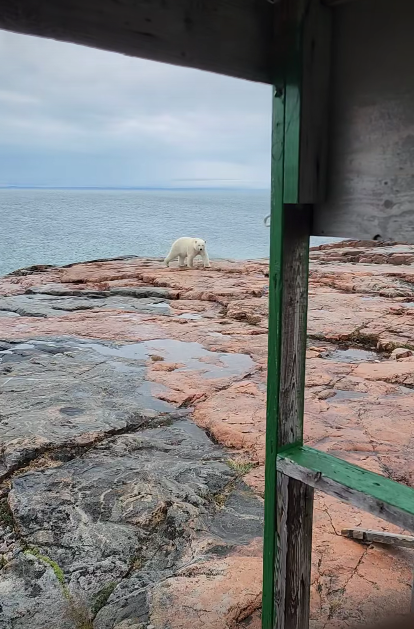
The recent fatal polar bear attack on Brevoort Island is more than a tragic anomaly it’s a stark reminder that climate change is rewriting the rules of life in the Arctic. When a seasoned fisherman like John Ussak needs to fire 20 warning shots to deter a single bear near Rankin Inlet, it signals something larger than a one-off encounter.
For decades, polar bears have been icons of the frozen north majestic, elusive, and perfectly adapted to a world of sea ice and abundant seals. But that world is vanishing. Sea ice melts earlier, forms later, and sometimes forms poorly. Even in places where ice coverage remains “excellent,” the structure is changing thicker slabs, fewer ridges, and less snow, making it harder for ringed seals to breed. Less prey for seals means less prey for bears.
Hungry predators roam farther and bolder, drifting into communities that aren’t prepared to meet them. Open garbage pits and poorly managed waste make an easy lure. Yet conversations in many northern communities still focus on hunting quotas and the economics of pelts. While those concerns matter, they can’t overshadow the more immediate challenge: keeping people safe and bears alive.
We shouldn’t delude ourselves into thinking this is a passing phase. As University of Alberta biologist Andrew Derocher warns, “these encounters are going to increase over time and it’s going to get a lot worse.” The bears that once sprawled like “giant, fat sausages” on summer beaches are now leaner, hungrier, and more desperate.
The tragedy on Brevoort Island isn’t simply about two rogue animals. It’s about a species and a region caught in the squeeze of a warming planet. Communities from Nunavut to the Northwest Territories need serious investment in polar bear patrols, secure waste management, and emergency response plans.
Because the harshest truth is this: if we fail to adapt, the encounters may stop only when the bears themselves are gone. And that, too, will be our loss.

