
Ottawa’s decision to distribute a record-breaking $27 billion in equalization payments next year is being presented as a routine fiscal update. In reality, it exposes a deeper and increasingly uncomfortable truth about Canada’s economic federation: the equalization program may be stabilizing some provinces, but it is also widening political and regional fault lines across the country.
The federal government argues that equalization exists to ensure all provinces can offer “reasonably comparable” public services at similar tax rates. On paper, that goal is hard to oppose. In practice, however, the way the program functions and who benefits from it is fueling resentment, particularly in provinces that generate a disproportionate share of national wealth.
Quebec will once again be the largest recipient, collecting nearly $14 billion in 2026–27. Manitoba, Nova Scotia, and New Brunswick follow closely behind. Meanwhile, British Columbia, Alberta, and Saskatchewan will receive nothing, continuing a pattern that has held for more than a decade. Technically, Ottawa insists that no province “pays into” equalization directly. But politically, that distinction rings hollow in provinces whose economic output especially from natural resources underpins federal revenues in the first place.
This frustration was on full display when Saskatchewan Premier Scott Moe shared a map of next year’s payments on social media, arguing that the equalization formula actively discourages economic growth. His point echoes a long-standing complaint from the West: provinces that develop their economies aggressively are effectively penalized, while those with weaker revenue-generating capacity are rewarded with ever-larger transfers.
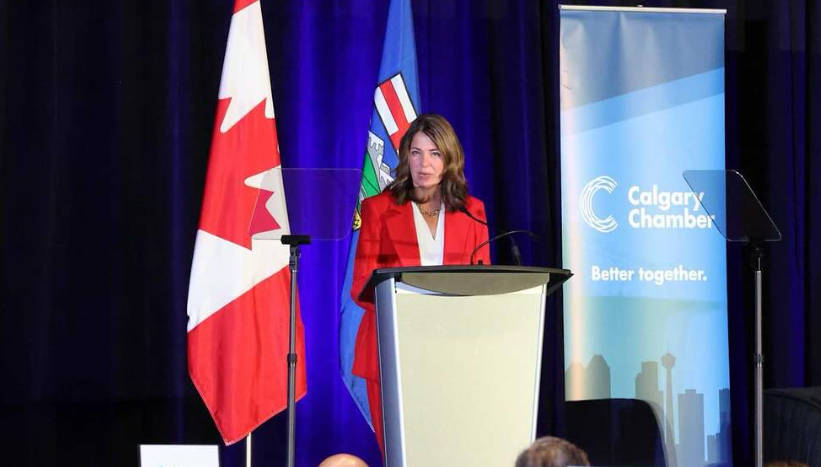
Alberta Premier Danielle Smith has been even more blunt. Calling the program unfair, she argues that Alberta helps prop up the country’s largest provinces while receiving nothing in return. Her demand is not necessarily for special treatment, but for equal per-capita consideration a proposal that resonates strongly with Albertans who feel their contributions are taken for granted.
The discontent is no longer limited to the Prairies. Newfoundland and Labrador, historically a recipient of equalization, has launched a constitutional challenge against the program, arguing it ignores the real costs of developing natural resources while counting 100 percent of those revenues against eligibility. British Columbia’s Premier David Eby has publicly supported the challenge, pointing out that B.C. taxpayers are also disadvantaged by the current formula.
What emerges from this growing chorus of criticism is not a rejection of national solidarity, but a demand for fairness and transparency. Equalization was designed nearly 70 years ago in a very different economic Canada. Today’s economy is shaped by energy markets, regional cost disparities, and global competition factors the current formula struggles to reflect.
As equalization payments climb to record highs, so does public scrutiny. Ottawa can continue to defend the program as neutral and necessary, but ignoring the political consequences would be a mistake. Without meaningful reform, equalization risks becoming less a symbol of unity and more a lightning rod for regional alienation something Canada can ill afford in an already polarized era.

