
Canada’s latest inflation numbers offer a welcome breath of relief, but they also highlight just how fragile our economic landscape remains. Statistics Canada’s October report shows annual inflation easing to 2.2 percent, down slightly from September’s 2.4 percent. On paper, this looks like progress. In practice, the story is more complicated and far less reassuring.
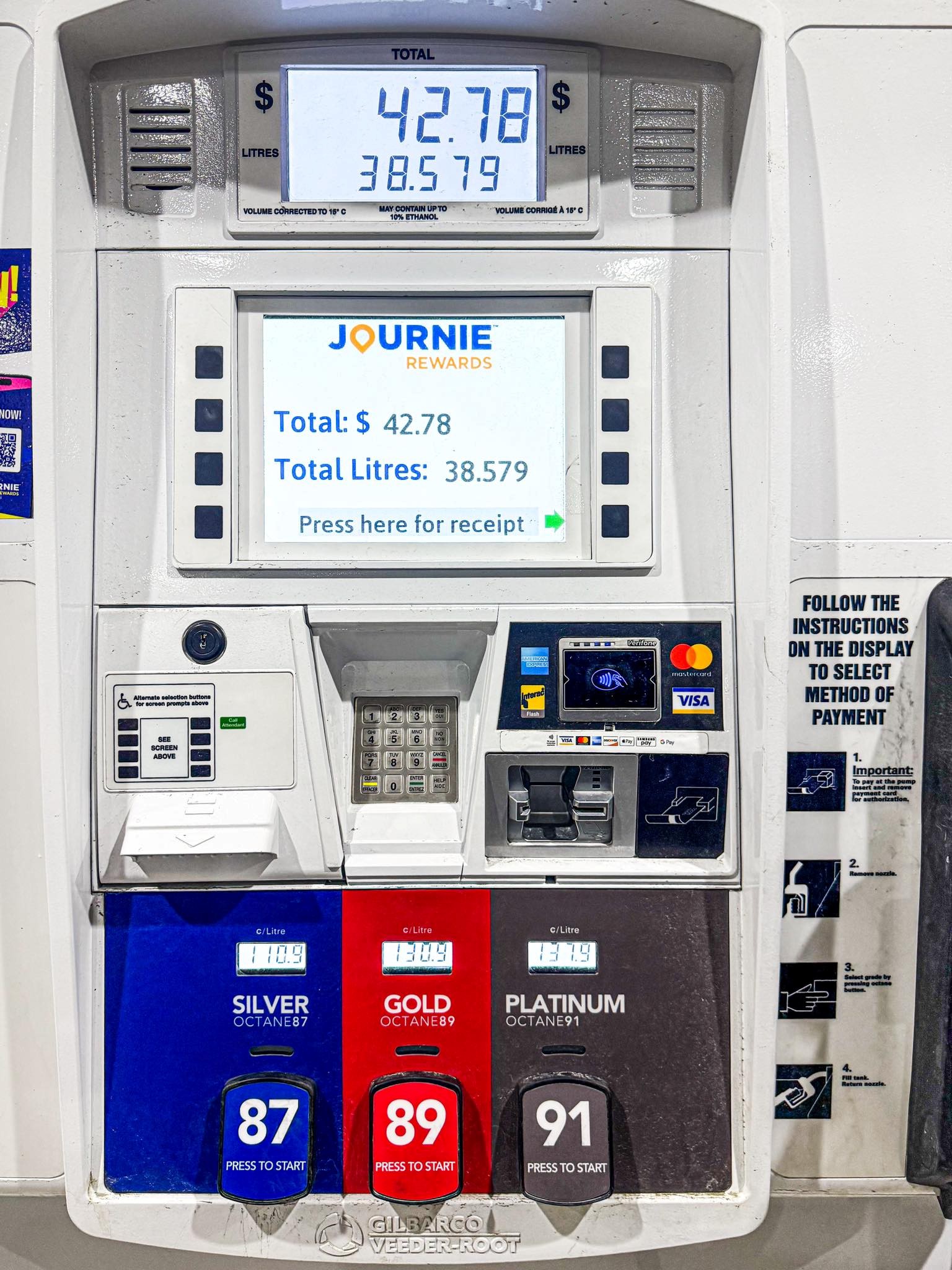
The biggest driver behind the dip was falling gasoline prices, which tumbled 9.4 percent year-over-year. That’s more than double the decline seen in September. Strip out gas, though, and inflation sits stubbornly at 2.6 percent, unchanged from the previous month. In other words, the underlying price pressures Canadians feel every day haven’t really gone anywhere.
Ontario saw a dramatic swing in natural gas prices, dropping 17.3 percent year-over-year after actually rising the month before. Month-over-month, prices plunged more than 22 percent thanks to rate adjustments and cheaper commodity costs. These declines help households in the short term, but energy-driven relief is notoriously unstable. What falls fast can rise just as quickly.
Food inflation, meanwhile, continues its long, frustrating drag on Canadian wallets. Yes, grocery price growth slowed to 3.4 percent from September’s 4 percent. But food prices have now outpaced overall inflation for nine straight months. Even worse, some essentials like fresh and frozen chicken—continued to climb more aggressively. For many families, “deceleration” isn’t particularly comforting when the actual prices at the checkout remain painfully high.
Then there are the unexpected trouble spots. Cellular service prices after more than a year of holding steady or falling jumped 7.7 percent year-over-year. Monthly, they leapt 8.2 percent, driven by widespread rate hikes across major carriers. This is the kind of sudden spike consumers can’t easily avoid, and it undermines progress in other spending categories.
Insurance costs may be the most jarring development. Premiums for home, mortgage, and vehicle insurance all saw hefty increases. Alberta stands out with double-digit rate surges 13.7 percent for home and mortgage insurance and 17.8 percent for vehicle insurance. These are not discretionary expenses; Canadians can’t simply opt out of insuring their homes or cars.
Property taxes added another layer of pressure, rising 5.6 percent nationally. Manitoba hit with higher sewer charges and garbage fees saw a staggering 19.5 percent jump. Even provinces experiencing slower growth in property taxes still face higher costs than last year.
All of this sits against the backdrop of the Bank of Canada’s cautious optimism. Governor Tiff Macklem has signaled that the current 2.25 percent interest rate is likely appropriate to keep inflation near target so long as the economy behaves as projected. But that’s a big “if.” The bank expects inflation to edge down to its ideal 2 percent by early 2026, partly due to the removal of counter-tariffs on U.S. goods and potential easing in service-sector inflation.
The problem is that many of the current price pressures insurance, housing-related costs, food are stubborn, structural, and not easily subdued by interest rate changes. Consumers aren’t feeling like things are getting cheaper. They’re feeling like they’re running just to stay in place.
Canada may be inching toward its inflation target, but the everyday reality for households tells a different story. This isn’t triumph. It’s fragile progress resting heavily on volatile factors like energy prices. Until the underlying costs of essentials stabilize meaningfully, Canadians won’t feel like inflation has truly cooled no matter what the headline number says.

