
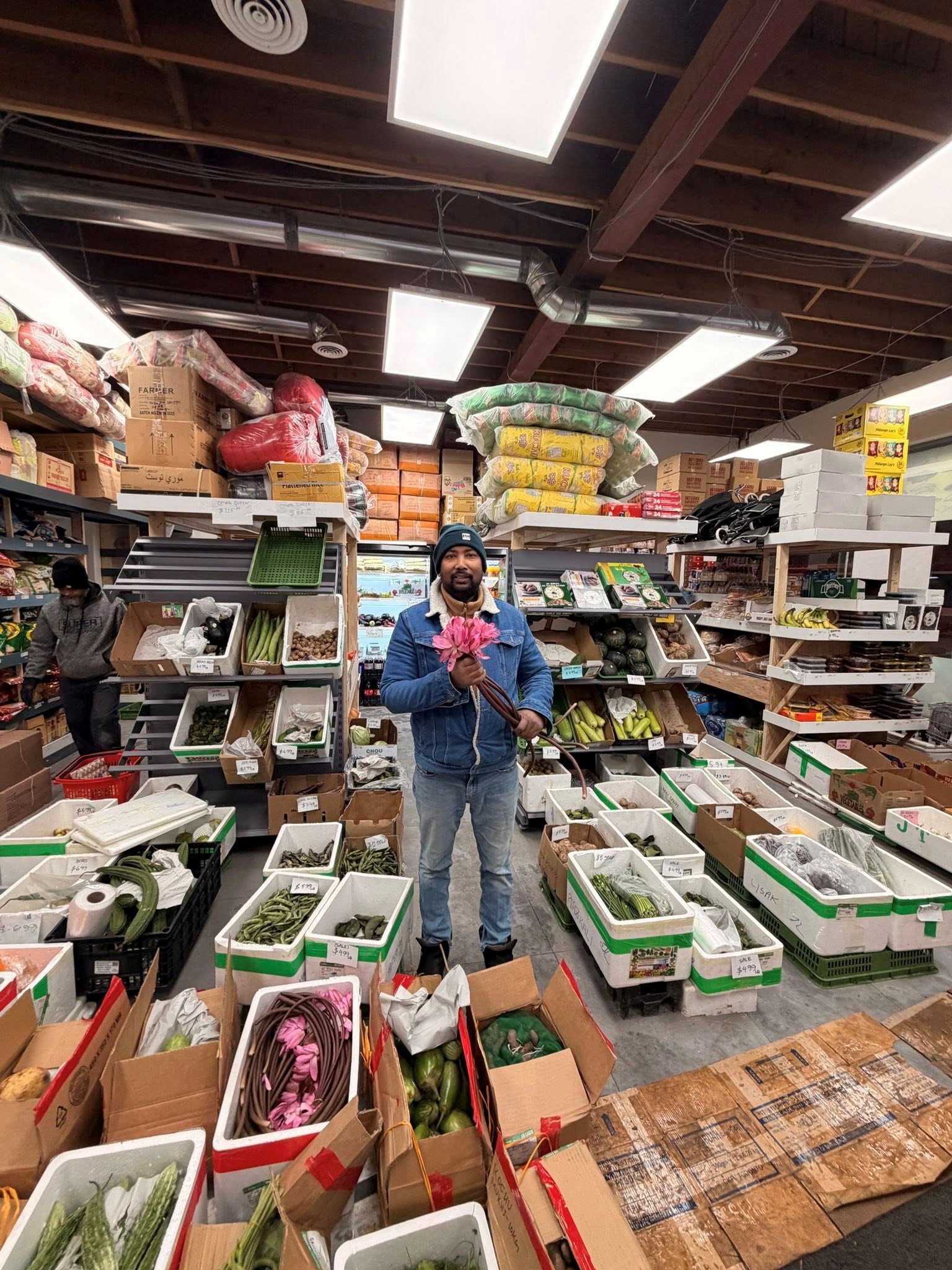
Prime Minister Mark Carney has unveiled a major expansion of the federal GST credit, introducing a new program aimed at helping lower-income Canadians manage the rising cost of groceries and other essentials.
Speaking at a grocery store in Ottawa on Jan. 26, Carney announced a 25 percent increase to the GST credit, alongside a one-time bonus payment this year. The enhanced support will be delivered under a new program called the Canada Groceries and Essentials Benefit, which is set to run for five years starting in July and reach roughly 12 million eligible Canadians.
According to the Prime Minister’s Office, recipients will receive the boosted GST credit annually, with an additional one-time payment in the first year equal to 50 percent of their regular benefit. Carney said the payments are designed to offset the sharp rise in food prices seen since the pandemic.
“On average, these payments make up for the higher level of food prices since the pandemic,” Carney said, emphasizing that recipients are free to spend the money as they choose. He added that lower-income households are more likely to direct the funds toward essentials such as food and housing.
Under the expanded program, an average family of four will receive about $1,890 this year, up from roughly $1,100 under the current GST credit. In each of the following four years, that amount is expected to settle at around $1,400 annually.
Eligible single Canadians will receive an average of $950 this year, followed by about $700 per year over the remaining four years. By comparison, the current average annual benefit for a single individual is approximately $540.
Ottawa estimates the enhanced GST credit will cost $3.1 billion in its first year. While annual costs are expected to decline slightly after the initial top-up, they are projected to rise gradually over the five-year period. An analysis by Desjardins estimates the total cost at $10.5 billion over five years.
Beyond direct payments to households, the federal government also announced several complementary measures: $500 million to help businesses cope with supply chain disruptions, $150 million for a new Food Security Fund supporting small and medium-sized businesses affected by tariffs, $20 million for food banks through the Local Food Infrastructure Fund.
The government also plans to roll out a broader national food security strategy focused on fair competition, stronger domestic food production, and improved access to food across the country.
Carney said Ottawa is also targeting the root causes of food inflation. One proposed measure would allow food producers to fully write off the cost of new greenhouses purchased on or after Nov. 4, 2025, provided they are operational before 2030. The government says this move is intended to encourage investment and increase domestic food supply over the medium term.
The Prime Minister attributed rising grocery prices to lingering pandemic-related inflation, global supply chain disruptions linked to tariffs and geopolitical tensions, and the growing impact of climate change.
Conservative MPs Sandra Cobena and Vincent Ho pushed back strongly against the announcement, arguing that government policies are a key driver of food inflation. In a joint statement, they said the proposed measures fail to address what they described as “home-grown” cost pressures on farmers and food producers.
They pointed to data from Food Banks Canada, noting that 2.2 million food bank visits were recorded in a single month last year. They also referenced the 2026 Food Price Report, which estimates that feeding an average family of four will cost about $1,000 more this year.
The MPs said the new rebate would “barely cover a single trip to the grocery store” for many families and argued that a similar credit expansion in 2022 failed to resolve the problem. Conservatives instead called for the removal of certain taxes and regulations they say increase food production and transportation costs.
Some food policy experts have also questioned whether cash payments are the best solution. Dr. Sylvain Charlebois, a professor and food distribution researcher, suggested the government should consider eliminating the GST on food altogether.
Writing on social media, Charlebois argued that cutting the tax at the checkout would lower prices immediately for all Canadians, rather than distributing cash payments that could risk pushing prices even higher.
As grocery costs remain a central concern for households across the country, the debate over how best to tackle food inflation is expected to intensify in the months ahead.

