
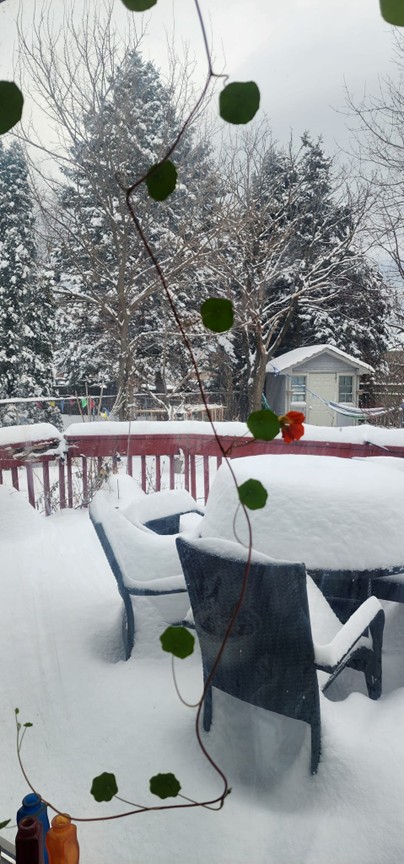
In Canada, particularly during January and February, heavy snowfall in multiple phases is a natural inevitability. In fact, inadequate snowfall is considered an anomaly in the natural order. Sometimes, when heavy snowfall is accompanied by strong winds, it leads to blizzards, making daily life significantly more hazardous. Even without high winds, excessive snowfall can disrupt normal life, causing various challenges.
In February 2025, from the 14th to the 16th, Southern Ontario experienced intense snowfall ranging from 40 cm to 80 cm in different areas, creating widespread disruption. While this was not entirely unexpected, it led to significant difficulties.
Winter and Seasonal Depression
Many people experience seasonal depression during snowfall or storms. Some individuals feel down even after just a few inches of snowfall and may avoid going to the gym or attending a friend’s birthday. However, during the past few days, most people found themselves stranded at home, spending time lying down or sitting idly. To cope with depression, many resorted to watching TV or listening to music.
Why Does Our Brain Become Depressed in Winter?
Dark winter days naturally affect mental health, as exposure to light makes us feel cheerful, while gloomy, prolonged darkness can bring sadness. When people suffer from persistent winter-related depression each year, it is classified as Seasonal Affective Disorder (SAD). However, with awareness and proper self-care, one can combat this condition.
Extreme snowfall and harsh winter weather make life particularly difficult for those suffering from depression. Snowfall and blizzards in Canada create hazardous situations, and many Canadians have already faced the full impact of the February snowstorm. Concerns remain regarding the coming days, prompting people to stay prepared.
Localized Weather Phenomenon: Snowfall and Blizzards
Snowfall and blizzards are highly localized weather events. The recent snowfall on February 14, 15, and 16, 2025, covered parts of Ontario, creating dangerous conditions. Southern Ontario, particularly areas around the Great Lakes, was significantly affected, with visibility near zero in many places, and everything buried under thick snow.
According to Global News meteorologist Ross Hull, many Canadians living in these regions must always be prepared for “hazardous conditions” during this time of the year.
Blizzards form when cold Arctic air flows over the relatively warmer, unfrozen waters of the Great Lakes. The contrast between the cold air and warm water increases moisture, leading to narrow yet intense snowfall bands, as experts explain.
These storms can severely impact one area while leaving another nearby region completely untouched. This pattern was evident in February when some parts of Ontario were completely buried under snow while others remained unaffected.
This dramatic weather event is closely linked to “lake-effect snow,” and experts warn that blizzards and snowstorms can occur unpredictably. Unlike widespread blizzards caused by larger weather systems, lake-effect blizzards can shift locations quickly due to local wind patterns.
During such storms, drivers may encounter sudden changes in visibility, going from clear skies to near-zero visibility in just minutes. While the Great Lakes region of Ontario experiences these events most frequently, blizzards can occur anywhere in Canada. In Atlantic Canada, cold air flowing over the warm Atlantic Ocean can create ocean-effect snowstorms, while lakes in Manitoba can also generate significant snowfall during winter months.
Due to its geography, Ontario’s Great Lakes region is one of the most active areas for blizzards worldwide. The size and position of the lakes allow various wind patterns to create frequent snowstorms, often impacting smaller towns like Barrie and London the most.
Many people confuse blizzards with larger snowstorms, but they are quite different. Regular snowstorms are driven by low-pressure systems and impact a much larger area.
Winter Driving Precautions
Weather experts advise drivers to monitor forecasts closely and stay alert for blizzard warnings.
“Do not assume that the weather will remain the same throughout your trip,” warns Hull. “Conditions can change dramatically in just a few minutes.”
Preparing for the Season
As Canada braces for months of cold, dark winter, blizzards serve as a stark reminder of the season’s challenges.
The recent Ontario blizzard may just be the beginning of a long and difficult winter for much of the country. With extreme weather events likely to continue in the coming weeks and months, Canadians are urged to stay cautious and prepared.
Icicles: A Hidden Winter Hazard
While heavy snowfall can transform the landscape into a picturesque winter wonderland, it also hides a silent and often overlooked danger—icicles. These frozen stalactites pose a significant threat to pedestrians and can sometimes lead to serious injuries.
What Are Icicles and How Do They Form?
Most houses have drainage systems, called eavestroughs, that channel melted snow or rainwater from rooftops. When snow-covered rooftops begin melting due to indoor heating, water drips down and refreezes due to the cold outdoor temperatures, often between -4°C and -10°C or lower. While icicles can appear aesthetically pleasing, their weight and sharp edges create hazards, especially in urban environments. Factors like fluctuating temperatures and poor roof maintenance contribute to their formation, turning a common winter occurrence into a potential source of harm.
However, icicles do not form during blizzards, as the strong winds prevent their development by breaking them off before they fully form. The recent snowfall in Ontario occurred without strong winds, allowing icicles to form easily.
How Can Falling Icicles Cause Accidents?
In busy cities or residential areas, icicles often hang precariously from eaves, gutters, and electrical wires. When they become too heavy and fall, they can cause severe injuries to unsuspecting pedestrians or significant damage to vehicles.
Falling icicles can hit with considerable force, potentially causing skull fractures or neck injuries that require immediate medical attention. Additionally, shattered icicles scattered on sidewalks can increase the risk of slipping and falling.
As icicles continue to accumulate, their weight can also strain eavestroughs and rooftops, leading to costly repairs. While smaller icicles are usually harmless, those over a foot long should be addressed to prevent potential damage.
Breaking icicles may seem like a fun and satisfying activity, but it is not advisable. These sharp and heavy objects can fall at high speeds, piercing through anything below, including cars, and causing expensive damage. The safest way to remove icicles is to seek professional help to avoid roof and gutter damage.

