
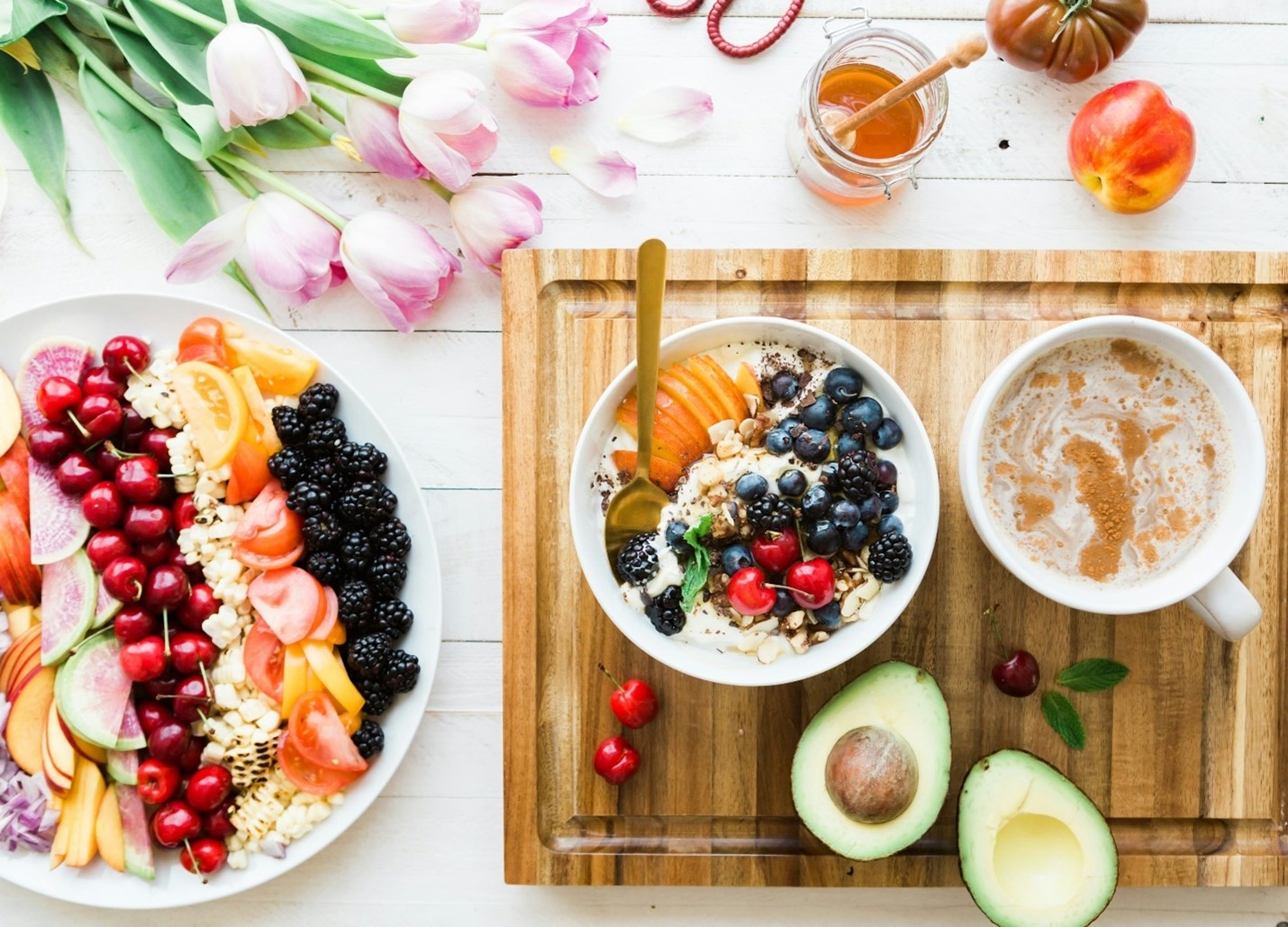
The world is moving forward. The new generation is bringing about changes in every aspect of life. Along with this, people are discarding old ideas and embracing new ones. Our food is a special part of our daily routine. People are now thinking about the nutritional value of food. People are also not lagging behind in thinking about how many calories they should consume to live a healthy life.
Since May 2, 2024, BCS has started another program on nutrition for seniors. Every Thursday, Tury discusses various aspects of food nutrition. The main speaker of this program is Dr. Safayetul Islam Tury (Project Coordinator, BCS). He is a very popular speaker. He sincerely wants the people of his community to be well. This initiative for BCS seniors is a joint effort by Tury and Dr. Nasima Akhtar. Other BCS employees are also involved in this.
Just as being underweight can lead to malnutrition or malnourishment, being overweight can also cause the same. This means that the body either doesn’t have enough or has too much of the necessary nutrients. Many of us don’t have a clear understanding of the nutritional value of different foods. As a result, we often eat the wrong foods and in the wrong quantities, often opting for unhealthy, tasty food. In simple terms, this can be called eating unhealthy food. In most cases, this happens due to a lack of knowledge about the nutritional value of food. Knowing the nutritional value of food is necessary for people of all ages. This knowledge is especially important for the elderly because as people age, the amount of energy their body expends decreases. Therefore, they need to be mindful of their calorie intake. This may not be as applicable to young people who are still growing. Children and adolescents can burn off extra calories through physical activity or sports. Even if they consume slightly more calories, they may be burned off through daily activities, reducing the likelihood of weight gain. Elderly people, on the other hand, expend less energy due to less physical activity, so their energy intake should be lower.
We often consume a lot of sweets without knowing about calories. Maybe a bowl of sweet yogurt, or a few rasgullas, or a large piece of cake. At that moment, we think, “I don’t have diabetes, so what’s the problem with me eating sweets? I can eat a little bit of sweets.” Some people don’t add sugar to their tea but end up eating two rasgullas. Again, some people don’t eat sweets in their daily meals but end up eating three or six teaspoons of sugar in their three cups of tea. If they knew that eating one sweet is like eating a plate of rice, they might think twice before doing this. We don’t feel much guilt for doing this contradictory eating. The main reason for this is our ignorance about the nutritional value of food. We don’t have any specific idea about the nutritional value of different foods. I am regularly attending this class and find it very interesting. Tury is giving a lot of unknown information. I think everyone should know this. When we eat any food, it is first digested in the stomach. Then the calorie content of that food is stored and is used for various functions of our body from there.
7 types of nutrients should be present in the daily diet and should be present in proper quantity which is called balanced diet. All foods are divided into 7 parts according to balanced diet or nutritional value. For example-
– Sugars or carbohydrates
– protein or meat
– Foods containing fat, grease or oil
– Mineral or Minerals
– Vitamins
– Fibrous foods
– water
Carbohydrates (carbs) are a type of nutrient that provides us with direct energy. Our daily requirement is around 400 grams of carbs, which is equivalent to 100-150 grams of rice. Carbohydrates should constitute 45-55% of our total dietary intake. Sources of carbohydrates include rice, wheat, corn, flour, millet, oats, pasta, noodles, potatoes, sweet potatoes, yams, fruits, and sugar. Enzymes and hormones are produced from these carbohydrates. Excessive sugar consumption can lead to deposits in the corners of the eyes and kidney problems. If carbs are not burned, they accumulate in the liver. When two or more carbs combine, they are called complex carbs. Consuming excessive carbohydrates can lead to weight gain due to the accumulation of carbs in the liver.
Protein-rich foods are the building blocks of our body’s muscles. Protein breaks down to form amino acids. Protein-rich foods help in the growth and maintenance of our body cells. Our body’s protein requirement is 10-35% protein, which can vary depending on the individual, age, and their activity level. Sources of protein food include meat, fish, nuts, eggs, soy, peas, lentils, etc. Consuming more plant-based protein sources is good for the body. Those who lose protein through urine should consume less protein. Consuming too much protein can increase the production of hair loss hormones, leading to hair loss. Protein should never be burned excessively. For example, we sometimes enjoy barbecued chicken or beef. Excessive burning of meat increases the risk of colon cancer. To increase the amount of hemoglobin in the blood, animal protein should be consumed. In anemia, hemoglobin levels decrease, which can lead to difficulty in breathing. Vegetable proteins include nuts, beans, lentils, etc. Barbecued meat or processed foods are very harmful to our body. For example, sausages, nuggets, burgers, etc. The nutritional value of protein is lost during the preparation of sausages. Processed foods aggravate cell division. This random cell division increases the risk of cancer when consuming these foods.
Fat stores energy in our body. Although fat provides us with energy, this energy is obtained from fat as a secondary source. Our body requires only a small amount of fat. The functions of fat include energy provision, energy storage, and hormone production. We generally need 15-20 grams of fat per day. Ideally, 20-35% of our total daily food intake should consist of fats. Plant-based oils are healthier for the body than animal fats. Sources of fats and oils include nuts, seeds, vegetable oils, milk, and cheese. Red meat is high in cholesterol and is therefore best avoided. Our body requires approximately 1 tablespoon of ghee and 2 tablespoons of vegetable oil daily. Adding a small amount of oil to salads aids digestion. Fats can be of two types: saturated and unsaturated. Saturated fats are very harmful to our body. Plant-based foods contain unsaturated fats, which are less harmful to the body. Processed foods are high in saturated fats. An excess of fat accumulation in the brain can lead to strokes. Increased levels of fat in the blood cause fat to deposit in blood vessels, leading to increased blood pressure. Fat deposits in the heart’s blood vessels can cause heart attacks. Fats are essential for the absorption of certain vitamins and minerals.
Fiber, a type of carbohydrate, is found in vegetables, fruits, and grains. Regular consumption of these foods is essential for a sufficient fiber intake. Fiber helps regulate blood sugar levels, improves bowel function, and promotes overall gut health. Sources of fiber include vegetables, fruits, beans, oats, whole grains, brown rice, nuts, and seeds. Fiber can help lower blood sugar levels. However, it’s important to note that excessive fiber intake can lead to colon cancer. Since fiber helps reduce sugar levels in the body, it’s generally safe to consume a small amount of sweets along with a fiber-rich diet.
Water is an inorganic, transparent, tasteless, odorless, and calorie-free chemical substance that is a primary component for humans, or rather, for living cells. Although water does not provide any energy to humans, we know that it is essential for survival. We need a large amount of water to maintain hydration in our bodies. The sources of water in our body are drinking water, other beverages, and approximately 20% of water comes from our daily food.
Vitamins and minerals are required by the body in very small quantities. They regulate the body’s metabolism and aid in cell growth. Additionally, each vitamin and mineral has a specific role in various biochemical functions. A deficiency of different vitamins and minerals can lead to various health problems. More detailed information about vitamins and minerals will be provided in the next part.

