
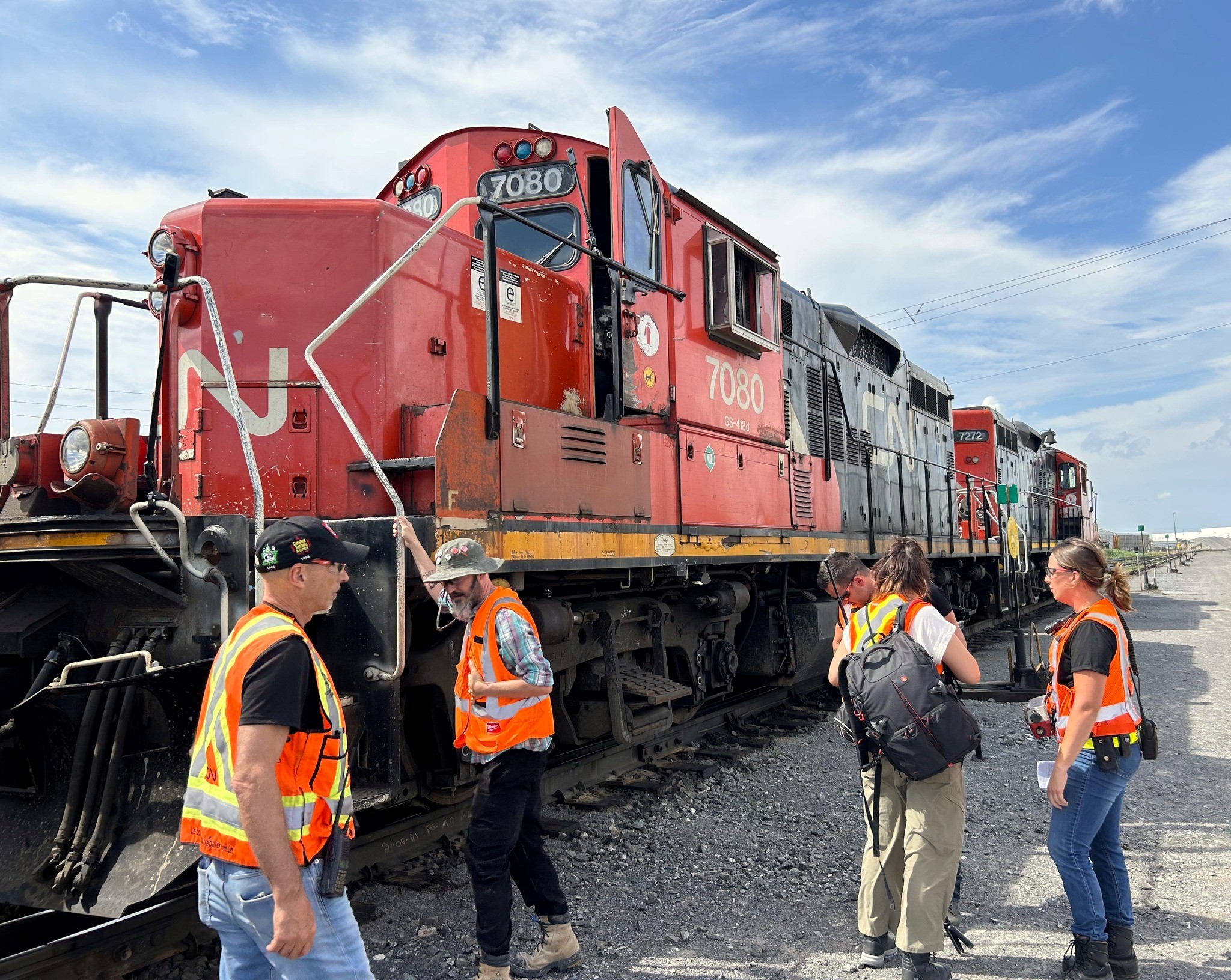
Canada is facing a moment that could have long-lasting repercussions for its economy, its workers, and even its reputation as a reliable trade partner. With both Canadian National Rail (CN) and Canadian Pacific Kansas City (CPKC) shutting down their networks and locking out nearly 10,000 workers, the country teeters on the edge of a crisis that is unprecedented in its history.
At the heart of the dispute are labor conditions that workers argue are worsening, with fatigue management, rest periods, and scheduling forming the central points of contention. The Teamsters Canada Rail Conference has been negotiating in good faith for months, yet the companies insist their offers are competitive and safe. The result? A deadlock, and a sudden halt to freight traffic that moves more than C$1 billion worth of goods daily.
This is not just a labor story it’s an economic story, a national security story, and a public convenience story all rolled into one. Canada’s railways carry grain, potash, coal, petroleum, chemicals, vehicles, and even nearly half the aviation fuel for Toronto’s Pearson Airport. A pause in service will reverberate across industries, disrupt daily commuting for tens of thousands, and ripple into the United States, given the tight cross-border trade ties.
Yet, in this high-stakes moment, the government’s role remains frustratingly passive. Prime Minister Justin Trudeau and Deputy Prime Minister Chrystia Freeland have urged both sides to continue negotiating, but the refusal to even consider binding arbitration feels like a missed opportunity. When a dispute threatens millions of Canadians, can we really afford a hands-off approach?
The reality is stark: the rail companies hold nearly all the cards. They control the tracks, the schedules, and the goods. Workers, though essential, are expendable in the eyes of logistics and profit. But ignoring the human factor fatigue, safety, fair working conditions risks more than labor unrest; it risks accidents, long-term inefficiency, and an economy that grinds to a halt.
Canada prides itself on being fair, balanced, and orderly, but the rail lockout exposes a brittle underbelly where profit, power, and public interest collide. The resolution, if it comes, must prioritize both safety and sustainability. Otherwise, the country may emerge from this standoff not just with stalled trains, but with a stark lesson: that infrastructure and labor are inseparable, and neglecting one jeopardizes the other.
Canada needs a solution and it needs it fast. The negotiation table is important, yes, but so is the courage to act decisively before a temporary labor dispute becomes a national crisis.

