
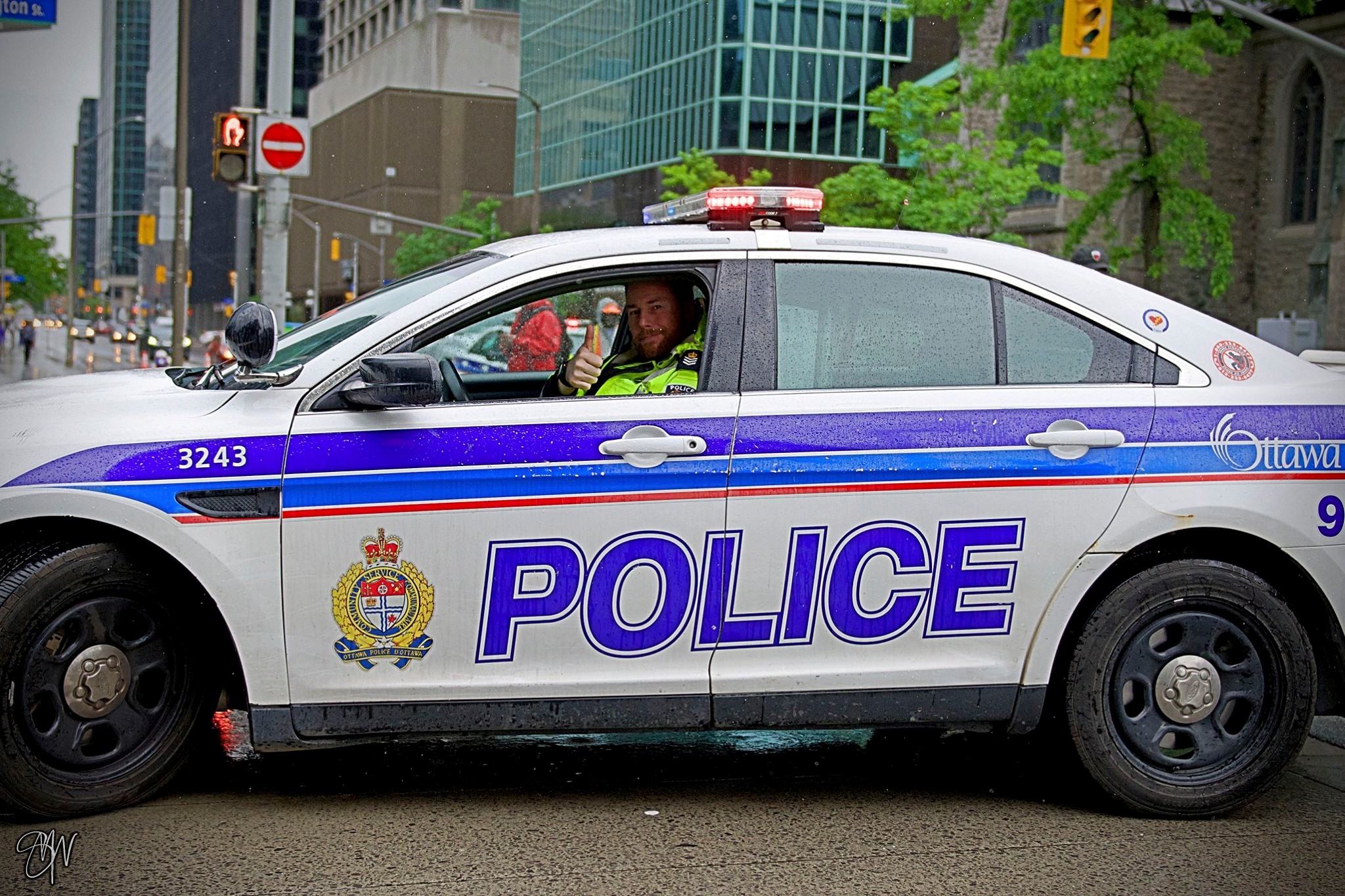
The Ottawa Police Service (OPS) has announced that it will not take part in the federal government’s firearms buyback program, citing concerns that participation would strain resources needed for everyday policing duties.
In a statement released on March 2, the OPS said joining the initiative as an official collection site would place additional pressure on officers and staff already managing increased service demands and staffing shortages. Police officials noted that maintaining core policing operations remains their priority.
Ottawa Police Chief Eric Stubbs said while the service supports efforts aimed at reducing gun violence, the decision had to reflect operational realities. “We recognize the goals of the federal program and the importance of reducing firearm-related harm,” Stubbs said. “However, decisions must be based on what can be delivered safely and consistently with the resources available.”
Although the OPS will not formally participate in the buyback initiative, the service emphasized that it will continue assisting residents who want to surrender unwanted firearms. Individuals wishing to do so are advised to contact the police non-emergency line for guidance on safely handing over firearms for disposal.
The federal government introduced the buyback program following its 2020 ban on roughly 2,500 models and variants of firearms described as “assault-style.” Owners of these newly prohibited firearms have until March 31, 2026, to submit an online declaration in order to receive compensation.
Those who do not file a declaration will still be required to either deactivate or legally dispose of the banned firearms before the amnesty period expires on Oct. 30. Possessing such firearms after that deadline could lead to criminal charges.
Ottawa is not the only jurisdiction distancing itself from the program. Several provinces including Alberta, Manitoba, Ontario, Saskatchewan, and Newfoundland and Labrador as well as the Yukon and Northwest Territories have stated they will not take part in its implementation. Various police services across the country have also opted out, including those in Toronto, Kingston, Brantford, Sarnia, Durham Region, and the Ontario Provincial Police.
In Atlantic Canada, the head of New Brunswick’s police association recently indicated that local services there also lack the personnel and resources to support the initiative.
So far, Quebec stands out as the only province to formally support the program. In January, the provincial government signed a financial agreement with the federal government to assist with implementing the buyback. Quebec also operates its own provincial firearms registry that tracks both firearms and their owners.
Federal officials say the policy is part of a broader strategy to reduce gun violence. Public Safety Minister Gary Anandasangaree has argued that banning assault-style firearms will help limit the impact of firearm-related violence in communities across the country.
Prime Minister Mark Carney has similarly defended the program, emphasizing that it is designed as a voluntary system. According to the prime minister, the initiative focuses on compensating owners who choose to return banned firearms rather than forcibly seizing them.
However, critics have challenged the approach. Conservative Leader Pierre Poilievre has argued that the policy unfairly targets lawful hunters and sport shooters while failing to address the illegal firearms commonly used in criminal activity.
According to Public Safety Canada, compensation under the buyback program ranges from about $150 to nearly $9,945, depending on the type of firearm or firearm components being surrendered.

