
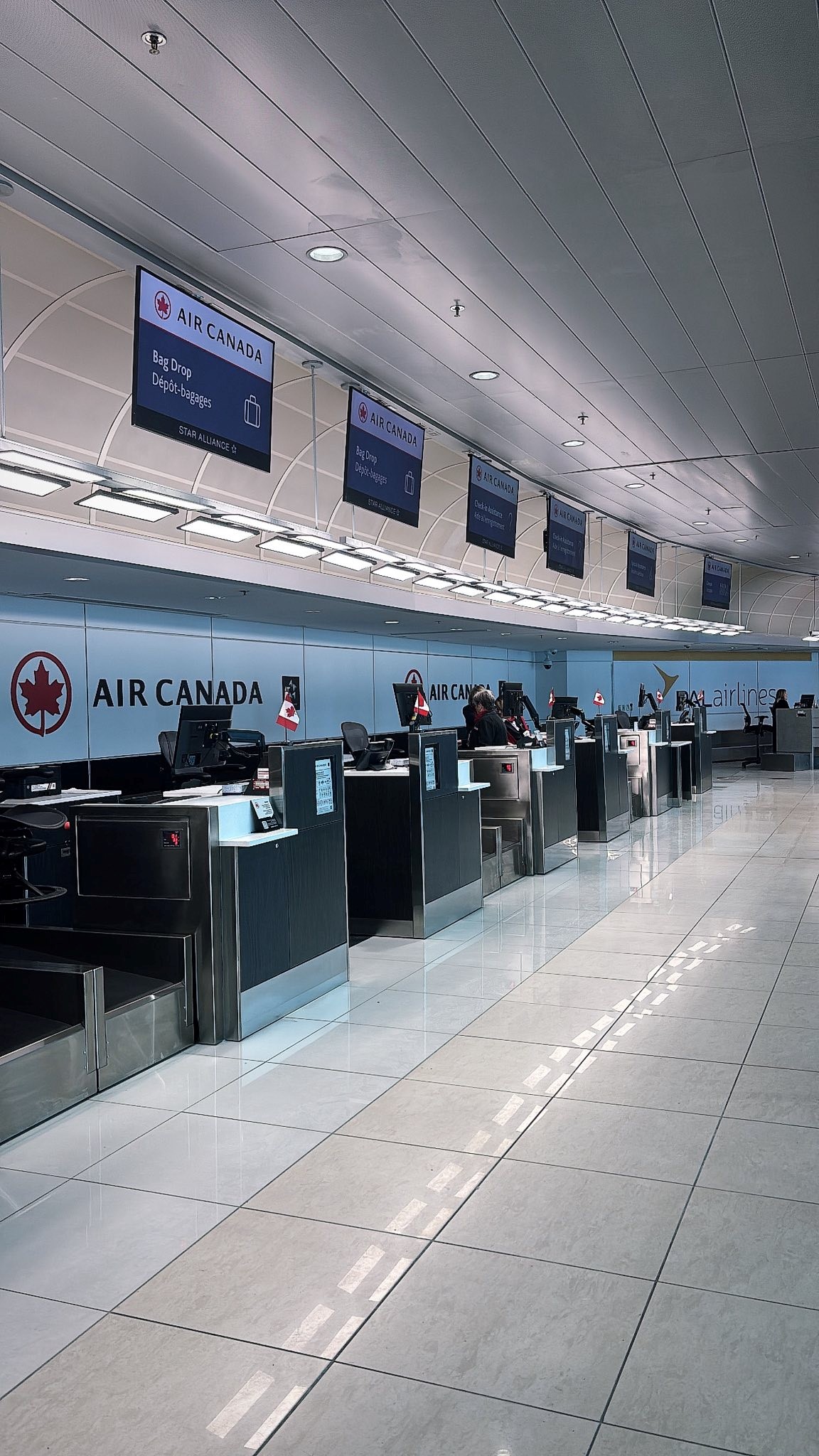
Air travel between Canada and Cuba has been thrown into uncertainty after Air Canada announced it is suspending service to the island due to a severe shortage of aviation fuel.
In a statement issued Feb. 9, the airline said it would operate empty aircraft to Cuba in the coming days to bring home approximately 3,000 stranded passengers. The decision follows government advisories warning that jet fuel supplies at Cuban airports are unreliable and, in some cases, unavailable.
According to a notice posted Feb. 8 on the website of the Federal Aviation Administration, Havana’s José Martí International Airport will not have Jet A1 fuel available beginning Feb. 10, with the advisory in effect through March 11.
Air Canada said it will carry additional fuel for outbound flights and may make technical refueling stops on return legs. Seasonal services to Holguín and Santa Clara have been cancelled for the remainder of the winter season, while flights to Varadero and Cayo Coco are suspended, with a tentative restart date of May 1 pending review.
Other Canadian carriers, including WestJet, Air Transat, and Sunwing Airlines, have introduced flexible rebooking and cancellation policies for customers travelling to Cuba this month.
The airline’s move comes amid broader warnings about conditions on the island. Global Affairs Canada recently updated its travel advisory for Cuba, cautioning that the situation is unpredictable and could deteriorate quickly. Canadians currently in Cuba are advised to exercise a high degree of caution, with shortages of food, water, medicine, electricity, and fuel affecting daily life including operations at beach resorts.
Similarly, the U.S. Embassy in Havana issued a security alert on Feb. 3 noting increasing instability in the island’s electrical grid, with both scheduled and unscheduled outages occurring daily. The alert also highlighted long lines at gas stations and urged residents and visitors to conserve essential resources.
Cuba has historically relied heavily on oil imports from Venezuela, a longtime political ally. However, energy shipments have declined in recent months amid mounting geopolitical tensions.
The situation escalated after Venezuelan leader Nicolás Maduro was reportedly captured during a U.S. military operation in the capital last month. Subsequent sanctions targeting Venezuelan oil exports have further constrained supply chains feeding Cuba’s energy sector.
On Jan. 29, U.S. President Donald Trump signed an executive order declaring a national emergency and authorizing additional tariffs on countries supplying oil to Cuba. In the order, Trump described the Cuban government’s actions as posing an extraordinary threat to U.S. national security, citing its relationships with Russia, China, Iran, and various transnational groups.
Mexico has also played a significant role in supplying crude and refined oil products to Cuba. Earlier this month, Trump claimed that Mexico had agreed to halt oil shipments. However, that assertion was publicly disputed by executives at Pemex.
Pemex CEO Víctor Rodríguez said the company intends to honour its contractual obligations with Cuba as long as supplies remain available. Speaking alongside Mexican President Claudia Sheinbaum, Rodríguez emphasized that humanitarian shipments significantly exceed commercial commitments.
For Canadian travelers, the immediate impact is significant uncertainty. With fuel shortages expected to persist at least into mid-March, airlines face ongoing operational challenges. While Air Canada has pledged to repatriate customers currently in Cuba, the broader outlook for tourism and regular flight service remains unclear.
As the island grapples with compounding energy shortages and geopolitical pressure, travelers are being urged to monitor advisories closely and prepare for possible further disruptions.

