
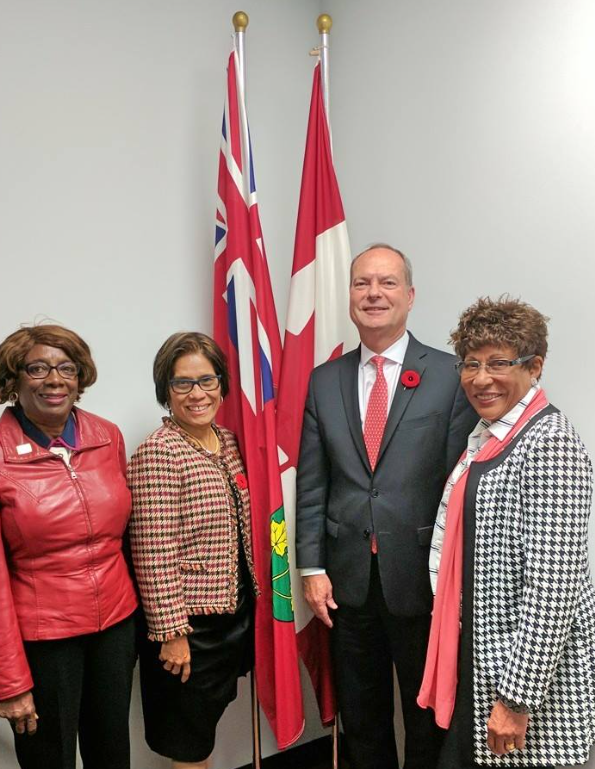
The Ontario government’s latest promise to offer a rebate on its share of the HST for new homes is, on the surface, a welcome relief for first-time homebuyers. Announced by Housing Minister Rob Flack and Finance Minister Peter Bethlenfalvy, the plan could save eligible buyers up to $130,000 when combined with existing federal and provincial programs. But beneath the headline figures and photo ops, this announcement raises an uncomfortable question: is this policy genuine progress, or just political window dressing ahead of another year of missed housing targets?
The rebate proposal promises to refund the province’s 8 percent share of the HST on homes priced up to $1 million, with partial rebates available for homes up to $1.5 million. For a young family struggling to enter Ontario’s punishing housing market, that kind of saving sounds life changing. But there’s a catch actually, several.
First, the plan’s implementation depends on the federal government enacting its own regulatory changes, a move that is far from guaranteed. Even if Ottawa plays along, the rebate only applies to homes purchased between May 2025 and 2031, with construction needing to start before 2031 and wrap up by 2036. In other words, relief won’t come for months, and for many buyers, it may come too late to matter.
Second, there’s the glaring issue of supply. As NDP Opposition Leader Marit Stiles bluntly put it, “I don’t know where people are supposed to buy these homes they simply do not exist.” She’s not wrong. Ontario is falling dramatically short of its own housing targets, with only 73,507 housing starts in 2024, compared to the government’s goal of 125,000. The first quarter of 2025 has been even bleaker, marking the lowest level of housing starts since 2009. The rebate, no matter how generous, can’t help buyers if there are no homes to buy.
The Ford government insists this move will “create the conditions to build.” But after years of promises including a high-profile pledge to construct 1.5 million homes in a decade Ontarians are right to feel sceptical. Housing Minister Flack now says he’s focusing on the “next six to 12 months” instead of long-term goals. That may sound practical, but it also sounds like a retreat from accountability.
Even Liberal housing critic Adil Shamji, whose party first proposed a version of this rebate earlier in the year, called the government’s plan “too little, too late.” He’s right. If the goal is to tackle the housing affordability crisis, limiting relief to first-time buyers and new builds priced under $1 million barely scratches the surface. The truth is, housing has become unaffordable not just for those buying their first home but for anyone trying to find a place to live, period.
Ontario’s rebate plan is a start. It acknowledges that young families are desperate for help and that the government needs to do something anything to make homeownership even remotely possible. But real solutions require more than tax tweaks and temporary rebates. They require bold, structural action to address supply, speed up approvals, and hold developers accountable for delivery.
Until then, this HST rebate feels less like a roadmap to housing affordability and more like a political Band-Aid covering a crisis that keeps getting worse.

