
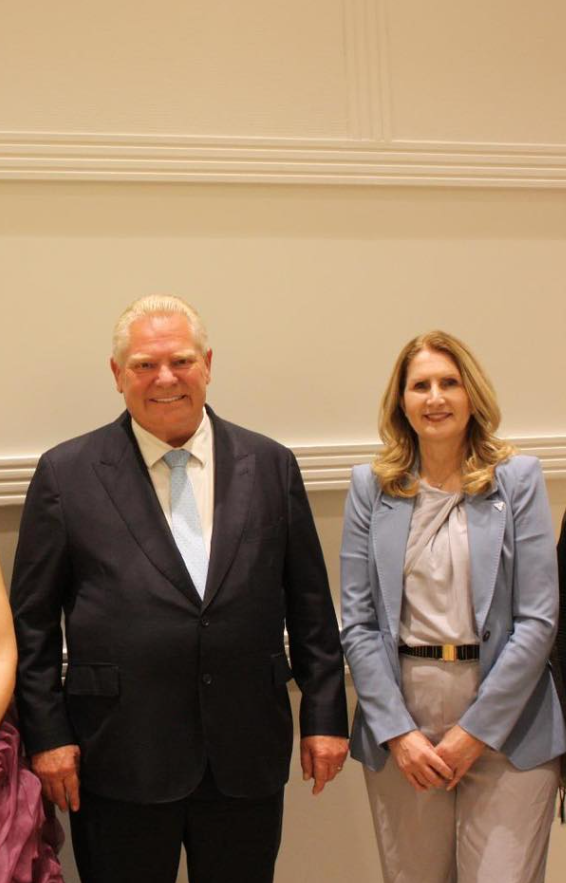
Ontario Premier Doug Ford’s story about chasing down a shoplifter at a Home Depot sounds like something out of a small-town action movie. The premier says he ditched his police detail to buy plants early one morning, saw a man stroll out of the store with two backpacks, and after being told by security that they couldn’t stop him decided to take matters into his own hands.
According to Ford’s own retelling, he jumped into his truck, cornered the alleged thief, and threatened to “kick his [expletive] all over the parking lot” unless the man opened his bag. When the bag was opened, Ford said, out came a stolen saw blade. And, in his words, he warned the man never to come back or face “a beating like he’s never got before.”
Now, let’s be clear: there’s no police record of the incident. Home Depot hasn’t commented. Whether every detail unfolded exactly as Ford describes is beside the point. The real takeaway here is not that the premier confronted a petty thief but that this story has become Ford’s latest rallying cry in his ongoing campaign for tougher crime and bail laws.
Ford’s anecdote, told before a packed Empire Club audience, wasn’t just an off-the-cuff confession of vigilante frustration. It was political theatre. The premier wanted to paint a vivid picture of a country where criminals act with impunity where even security guards stand by helplessly while theft happens in broad daylight.
It’s the same message Ford and other conservative leaders across Canada have been hammering: the system is too soft on repeat offenders, bail is too easy to get, and the public is paying the price. His story is a metaphor for what he sees as a larger national problem one where ordinary citizens (and even premiers) feel forced to do what the justice system won’t.
Ford’s push fits into a growing movement. Pierre Poilievre’s Conservatives have tabled the “Jail Not Bail Act,” proposing stricter bail conditions for serious offences. Meanwhile, the federal Liberals, under Prime Minister Mark Carney, have promised their own reforms emphasizing “reverse onus” meaning the accused must prove why they deserve bail.
All sides agree that the system needs fixing, but for different reasons and with different tones. Ford’s approach, however, is pure populism: blunt, emotional, and deeply personal. He’s not talking about judicial reform from a podium he’s talking about a stolen saw blade and a parking lot confrontation. It’s the kind of story that sticks in people’s minds because it feels relatable, even cinematic.
But here’s where things get tricky. When leaders boast about taking justice into their own hands, they risk blurring the line between legitimate frustration and dangerous vigilantism. Ford’s tale might fire up a crowd, but it also sends a risky message: that the proper response to crime is to threaten violence rather than rely on the system to do its job.
That doesn’t make Ford’s frustration any less real shoplifting, car thefts, and violent incidents have indeed risen in many communities. But we don’t fix those problems by turning premiers into part-time sheriffs.
Doug Ford’s Home Depot moment captures the mood of a country increasingly fed up with feeling powerless against crime and red tape. It’s not really about one man with a stolen saw blade it’s about Canadians who feel the rules are stacked against them while criminals walk free.
But leaders have a choice in how they channel that anger. They can turn it into constructive reform or performative outrage. Ford’s story may make for great headlines, but what Canadians need now isn’t a premier ready to throw punches it’s one ready to fix the system that made him so angry in the first place.

