
It’s starting to feel like car recalls have become a regular part of the driving experience and that’s not a good thing. Transport Canada’s latest batch of recall notices, affecting thousands of vehicles from Toyota, BMW, Chevrolet, and Nissan, reads like a warning about how even the biggest names in the auto industry are struggling to keep safety systems in check.
Let’s start with Toyota. The company has long built its reputation on reliability, yet now it’s recalling over 32,000 Sequoia and Tundra models because of a malfunctioning rearview camera a critical tool for avoiding accidents in large trucks and SUVs. Imagine backing out of your driveway only to realize your massive screen isn’t showing anything behind you. It’s not just inconvenient; it’s dangerous.
And that’s not all. Toyota also recalled more than 70,000 Lexus and Toyota models last month due to software problems that could cause the instrument panel to go completely dark when the vehicle starts. No speedometer, no fuel gauge, no warning lights just guesswork. For a company that prides itself on precision engineering, these tech glitches are deeply ironic. As cars get smarter, the margin for error in their software seems to get wider.
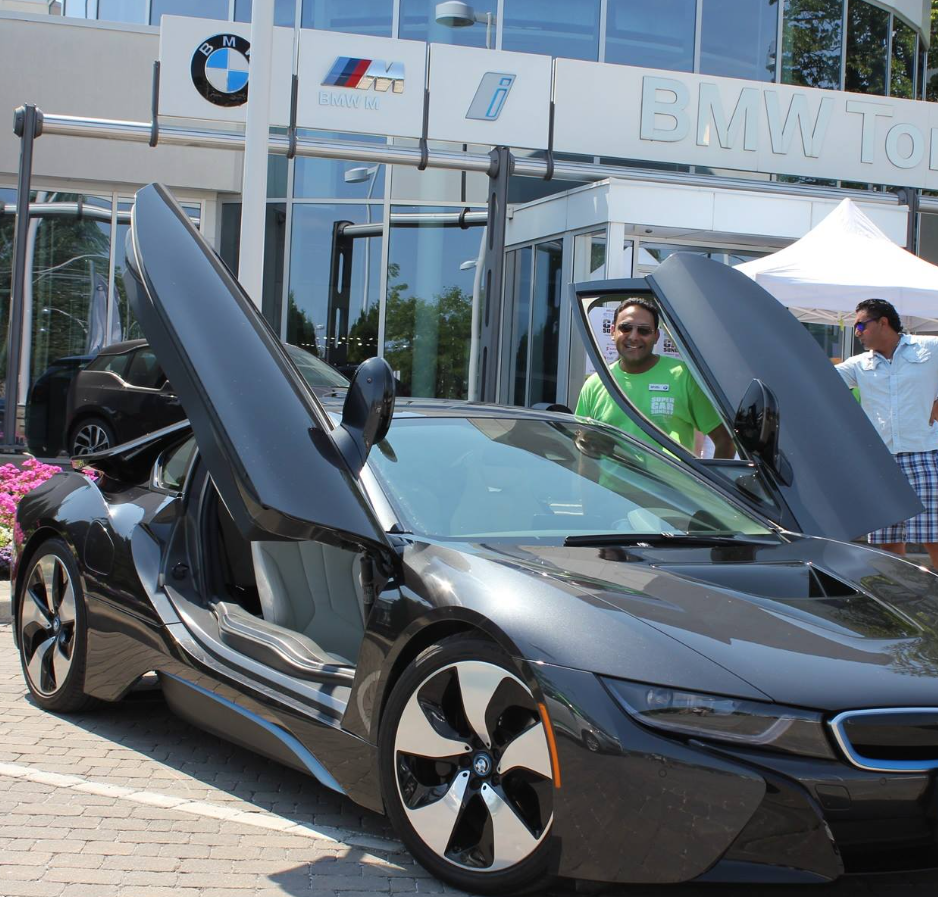
Then there’s BMW. Nearly 15,000 vehicles, including X5s, X6s, and 3 Series models, are being called back again because previous recall repairs may not have actually solved the problem. The issue? Overheating starters that could literally spark fires. BMW owners might be paying luxury prices, but they’re now being asked to double-check repairs that were supposed to make them safer in the first place. That’s not confidence-inspiring.
General Motors isn’t escaping scrutiny either. Over 10,000 Chevrolet Equinox EVs are affected by a software failure that disables the pedestrian warning system the sound EVs make to alert people when they’re creeping silently through parking lots or city streets. Without it, pedestrians could be caught completely off guard. It’s another reminder that, while electric vehicles are the future, they’re also still in their growing pains stage.
And finally, Nissan’s recall of over 1,000 Leaf electric cars adds to the mounting concern about EV battery safety. The company warned that high-voltage batteries could overheat during fast charging, potentially leading to smoke or fire. Nissan has urged owners to avoid using level 3 chargers until repairs are made a frustrating limitation for anyone relying on quick charges for daily use.
All four of these recalls share a troubling theme: technology that’s supposed to make driving safer and more efficient is increasingly becoming the source of serious risk. From software malfunctions to overheating batteries, the complexity of modern cars is proving that innovation without reliability can quickly become a liability.
Of course, recalls are a necessary part of keeping roads safe. Mistakes happen, and companies that acknowledge and correct them are doing the right thing. But when these issues start cropping up so frequently and across so many major automakers it raises a bigger question: Are we pushing the limits of automotive technology faster than we can ensure its safety?
For Canadian drivers, this latest wave of recalls is more than just an inconvenience. It’s a reminder to stay vigilant, check your vehicle’s status regularly, and never assume that “new” automatically means “safe.” Because in today’s high-tech auto world, even the smartest car can have some dangerously dumb problems.

