
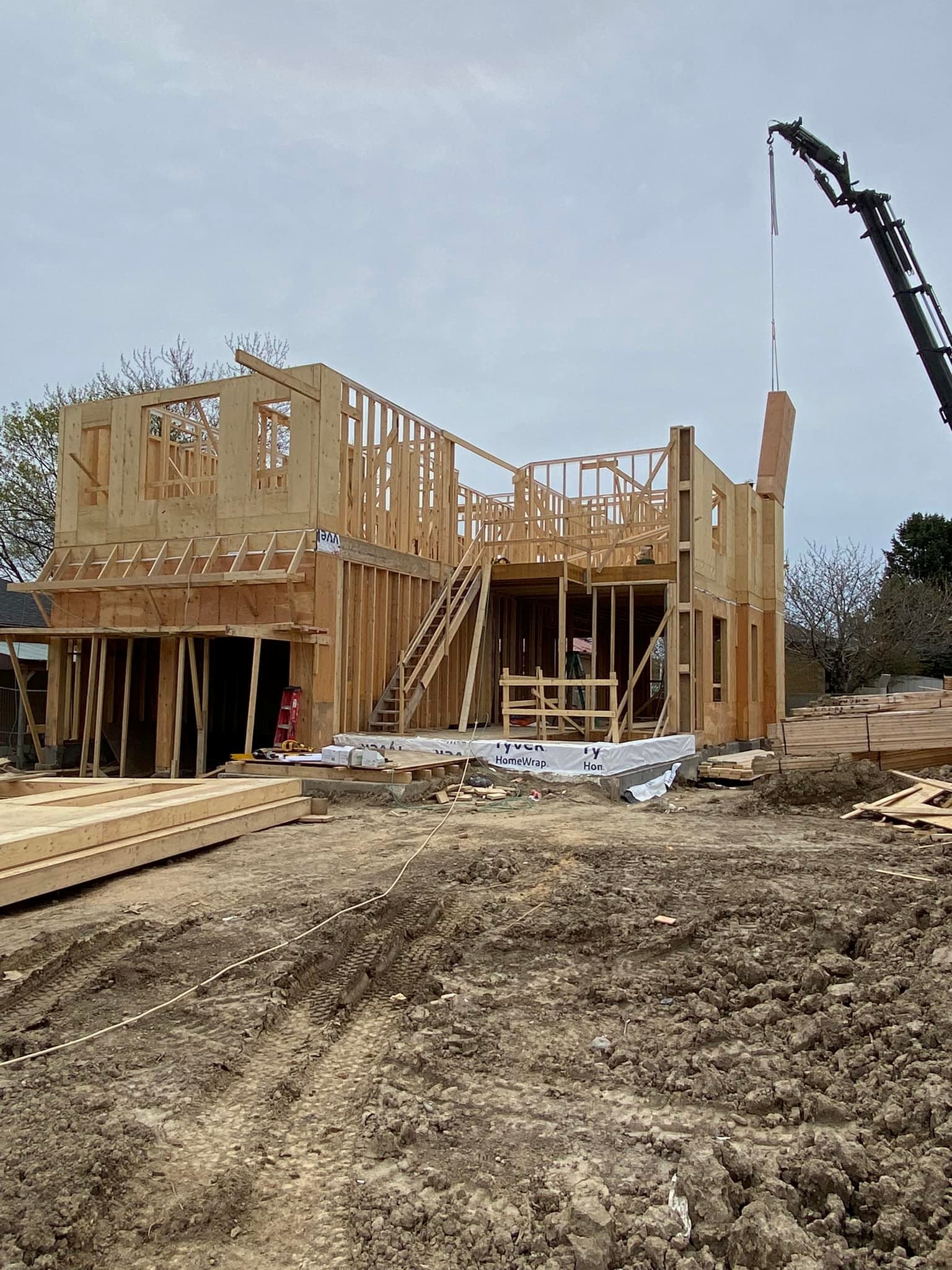
Prime Minister Mark Carney’s announcement of the new Build Canada Homes agency feels like the federal government is finally acknowledging the scale of Canada’s housing crisis. Promising 4,000 homes across six cities Dartmouth, Longueuil, Ottawa, Toronto, Winnipeg, and Edmonton sounds encouraging on paper. But as with every big housing pledge, the real question is whether it will actually break ground and meaningfully move the needle.
Carney is right about one thing: it’s far too hard to build in Canada. Layers of red tape, high material costs, and endless zoning hurdles have left the market sluggish. Using federal land to cut costs is smart. Identifying surplus properties and adding them to the Canada Land Bank could make a real difference if Ottawa moves quickly. But speed is where governments often stumble. “Next year” for the first homes is already ambitious; delays could easily push timelines back.
The $1-billion fund for transitional housing is another bright spot. Helping people at risk of homelessness while expanding affordable supply shows a welcome focus on both immediate need and long-term solutions. Likewise, the emphasis on modular, factory-built, and mass-timber construction is refreshing. These methods can drastically cut build times and allow for year-round construction something Canada desperately needs.
Still, 4,000 homes is a drop in the bucket when national shortages run into the hundreds of thousands. Without aggressive scaling and coordination with provinces and municipalities, this could become yet another well-intentioned pilot project that barely dents the crisis. And while the “Buy Canadian” policy supports local industry, it could also inflate costs if not carefully managed.
Appointing Ana Bailão, a seasoned Toronto housing advocate, as CEO is a smart choice. She knows the municipal trenches where most housing battles are fought. But she will need political will and sustained funding to avoid the fate of past federal programs that started strong and fizzled out.
Build Canada Homes is a promising start. It signals a federal government finally treating housing as the national emergency it is. Now Canadians need to see shovels in the ground fast.

