
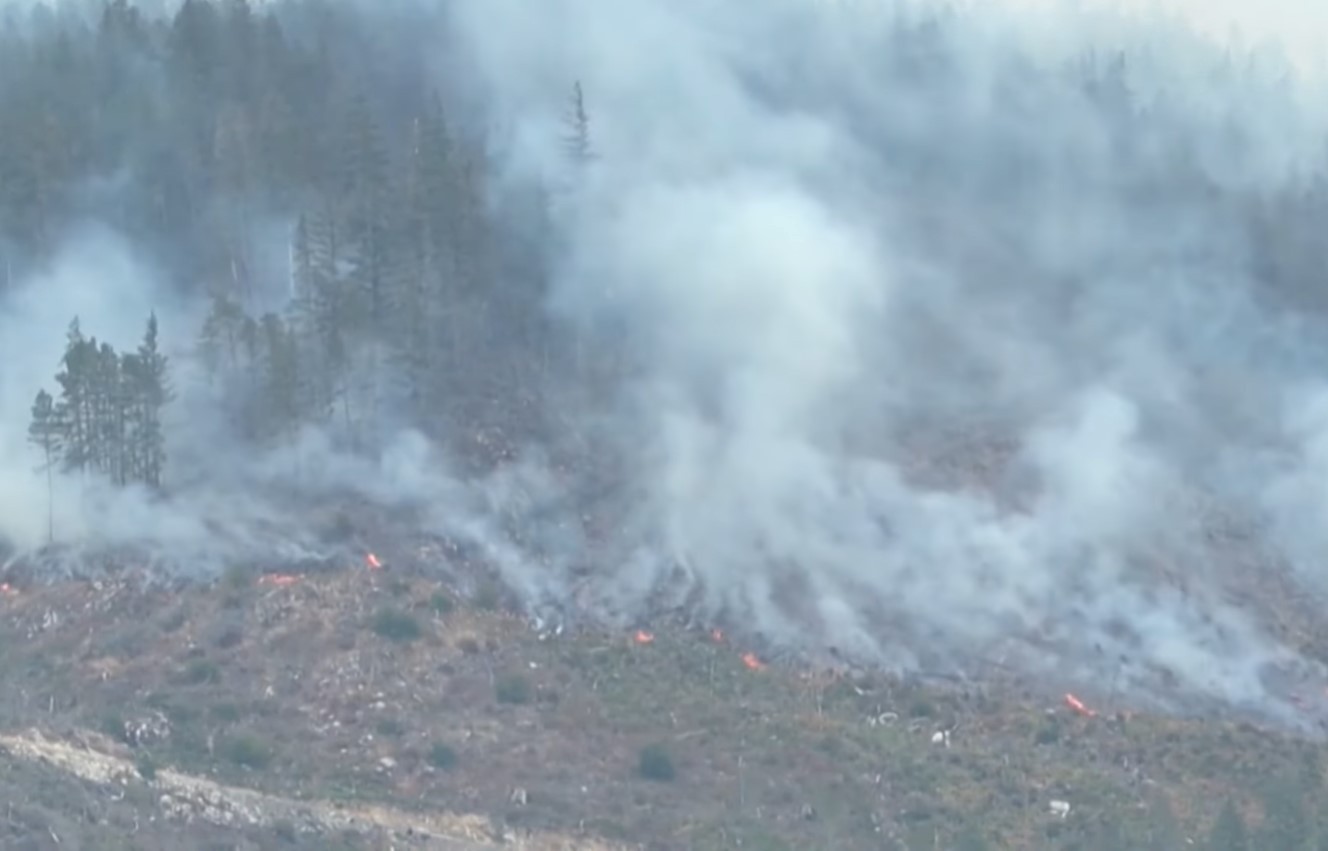
There’s something profoundly unsettling about looking up at the sky and realizing it’s no longer the sky. Today, from Vancouver Island to Charlottetown, a gritty haze is draped across Canada like a warning we can’t ignore. This isn’t just a weather event it’s a message in smoke.
Environment Canada has issued alerts from coast to coast, warning of reduced visibility and dangerously poor air quality. The advice feels familiar now: limit outdoor activity, watch for irritation in your eyes and throat, be mindful of coughing fits and chest pain. It’s the kind of health guidance we used to associate with industrial accidents or distant disasters not the simple act of stepping outside our own front doors.
This wave of smoke comes courtesy of over 700 active wildfires burning across the country. One blaze near Cameron Lake, B.C., has already forced hundreds to evacuate, a grim reminder that for some Canadians, this isn’t just about air quality it’s about losing homes, livelihoods, and peace of mind.
The sheer scale is staggering: southern Northwest Territories, nearly all of Alberta, Saskatchewan, Manitoba, Ontario, and swaths of the Maritimes are blanketed in haze. The air smells burnt, the sunlight turns an eerie orange, and the horizon dissolves into a smear of dust.
We talk about “smoke season” now, as if it’s as normal as spring or autumn. But it shouldn’t be. These events are getting worse, longer, and more frequent. They are a byproduct of a warming climate, drier landscapes, and decades of delayed action. And while it’s easy to shrug it off if you’re young and healthy, the truth is that vulnerable communities the elderly, children, and those with respiratory conditions pay the highest price.
The air we breathe is one of the few things every living being shares. When it’s poisoned, even temporarily, it chips away at our sense of safety. Today’s haze will eventually clear, but the forces behind it aren’t going anywhere unless we treat this for what it is a climate emergency that’s already in our lungs.

